

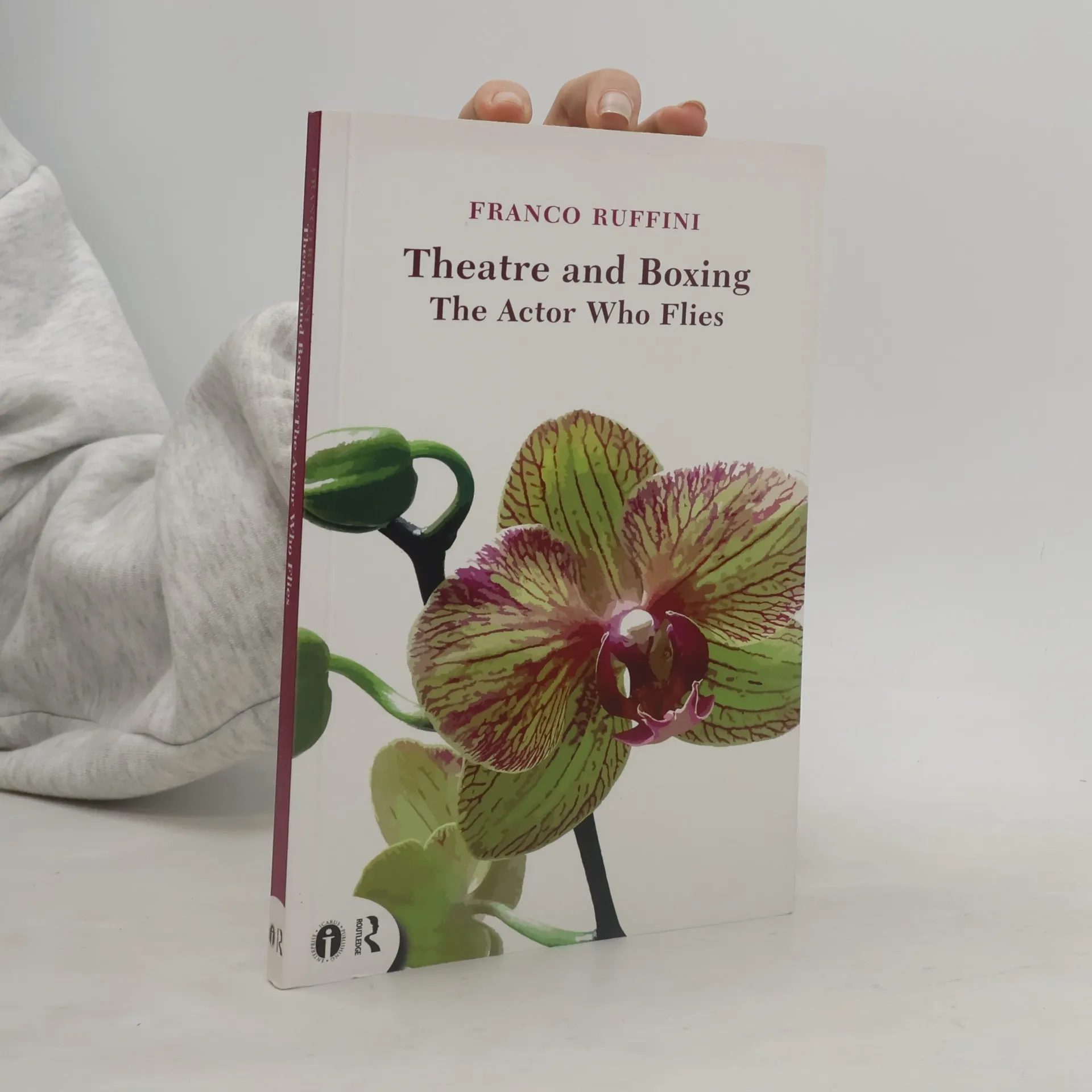
Theatre and Boxing
The Actor Who Flies
Authors
More about the book
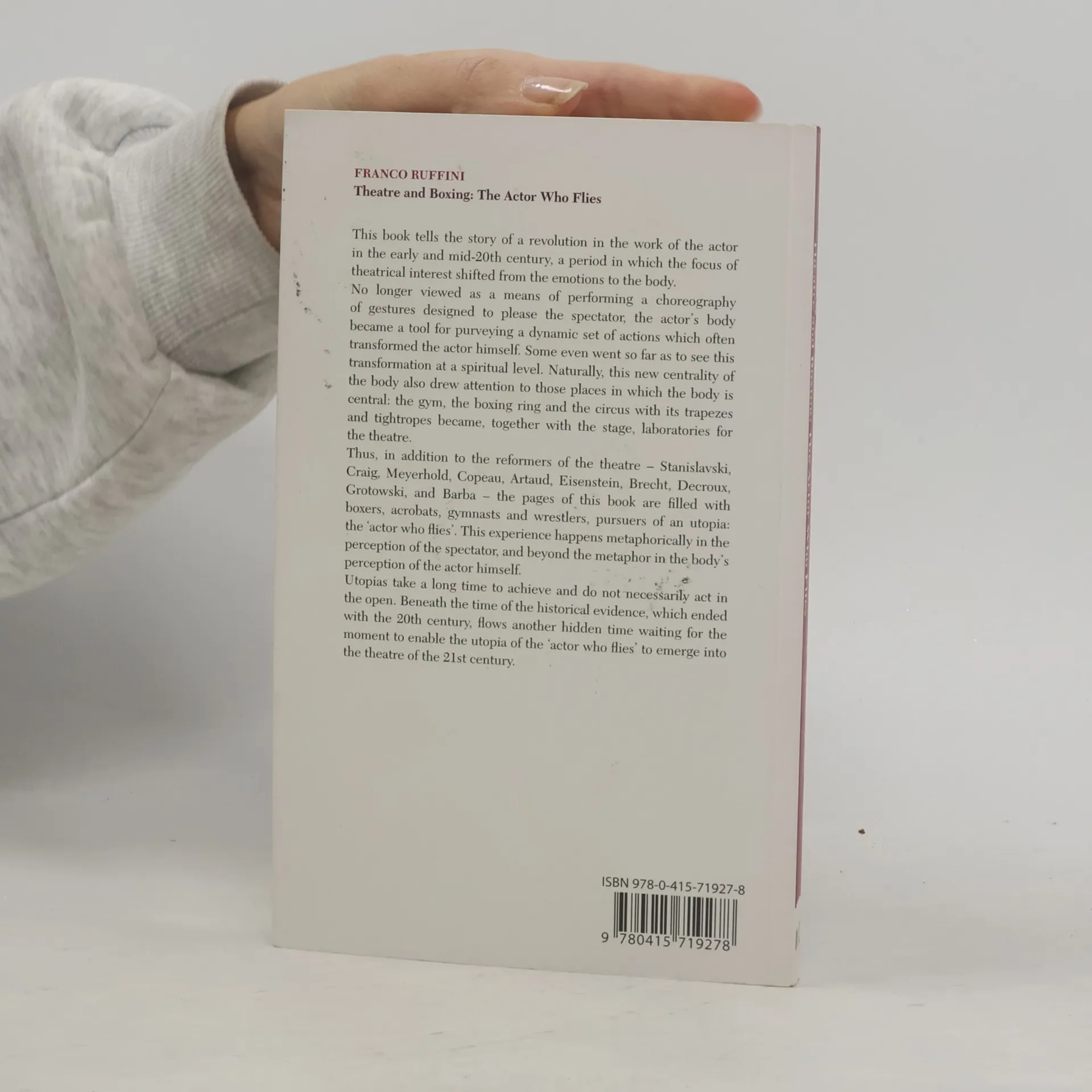
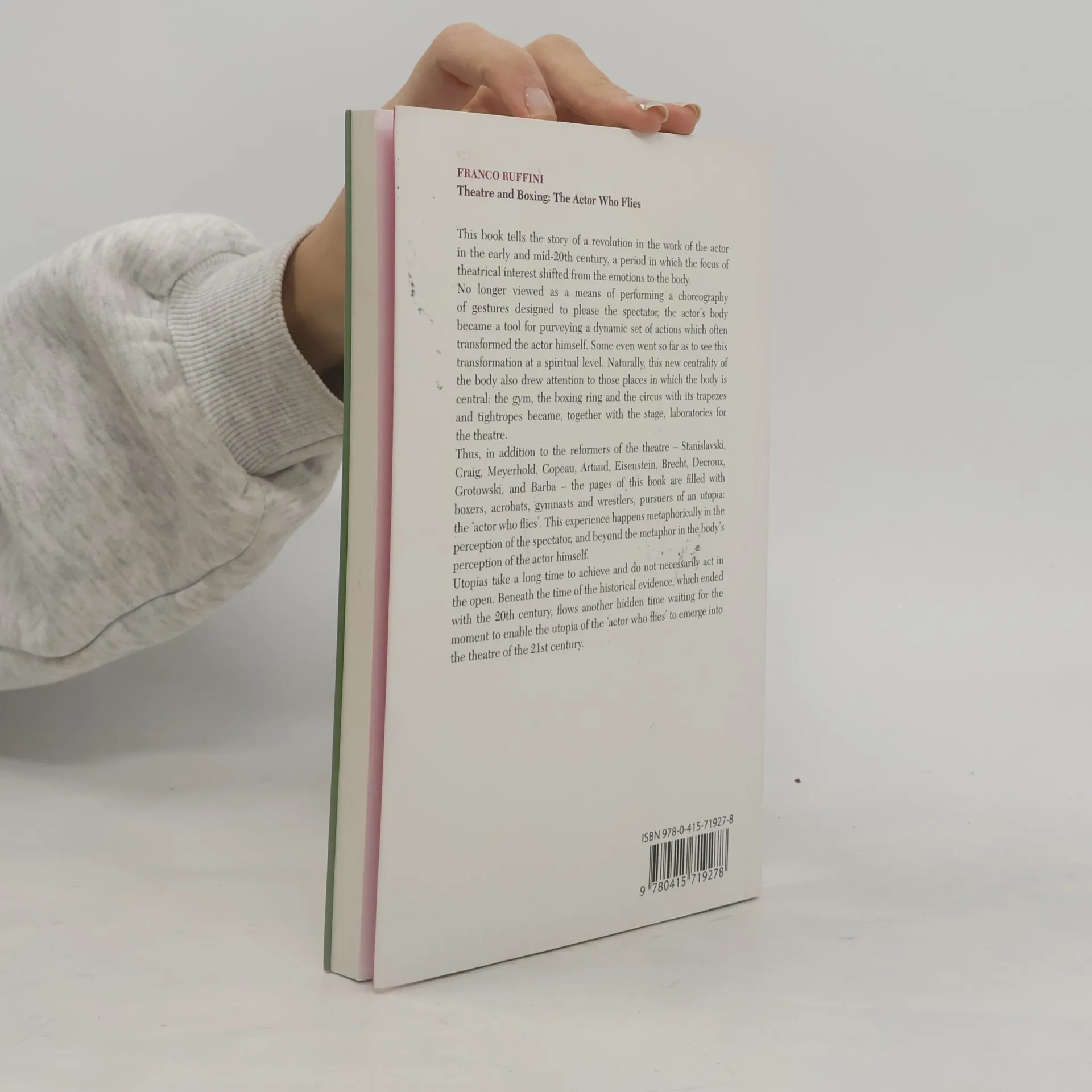
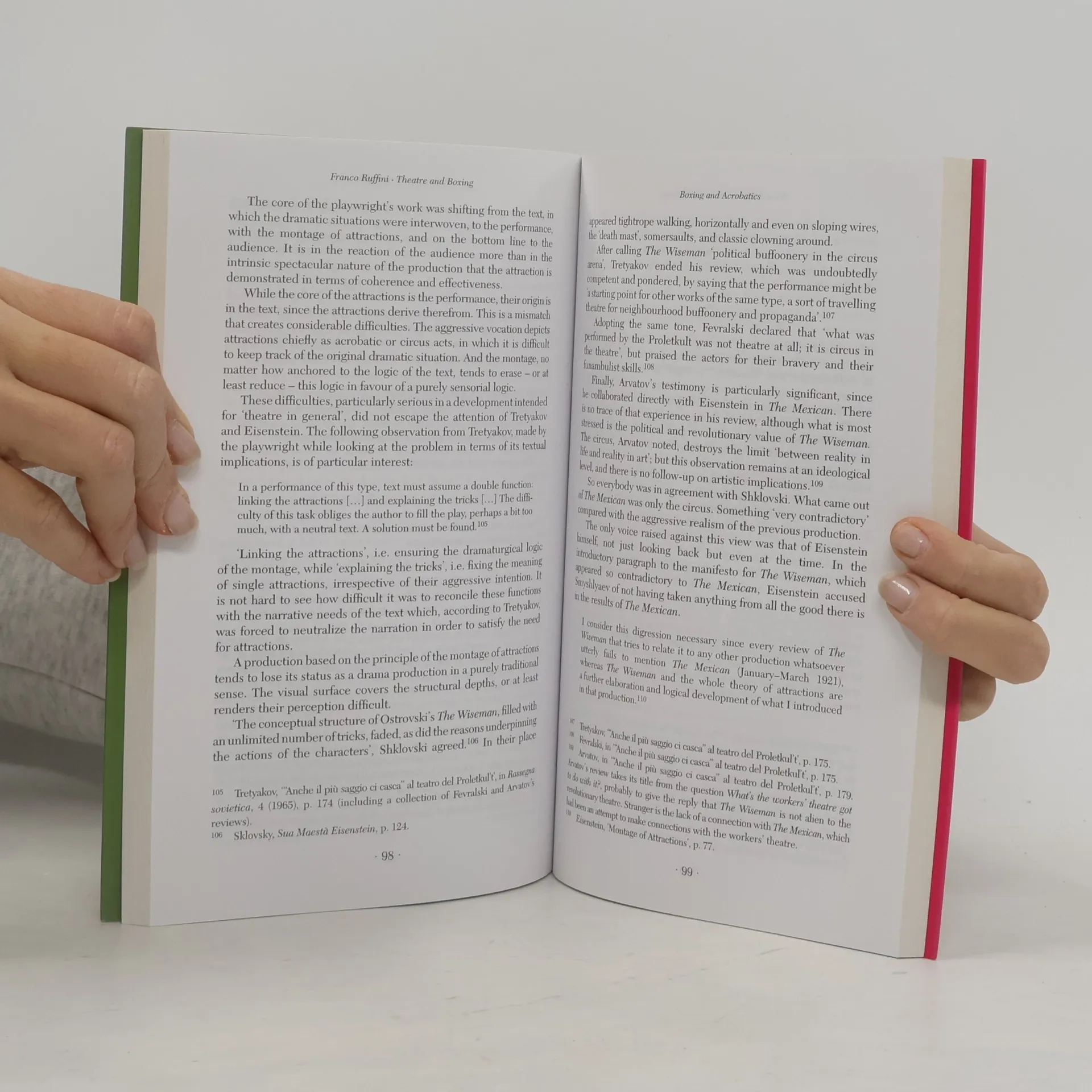
Theatre and Boxing focuses on a problem which is of paramount importance for any theatre practitioner and the actor’s believable body. This problem has been taken up by Stanislavski, Meyerhold, Artaud, Brecht, Decroux, Copeau, Grotowski, and many others. It is an essential hurdle for all who practice the theatrical craft or want to study it theoretically. This hurdle can be considered one of the foundations of theatre science and of the relationship between technique, politics and ethics. This book tells the story of a revolution in the work of the actor in the early- and mid-20th century, a period in which the focus of theatrical interest shifted from the emotions to the body. The actor’s body became a tool for purveying a dynamic set of actions which often transformed the very actor himself. This new centrality of the body also drew attention to those places in which the body is the gym, the boxing ring and the circus with its trapezes and tightropes became, together with the stage, laboratories for the theatre. Thus, in addition to the reformers of the theatre the pages of this book are filled with boxers, acrobats, gymnasts and wrestlers, pursuers of an the "actor who flies".
Book purchase
Theatre and Boxing, Franco Ruffini
- Language

- Released
- 2014
- Binding
- (Paperback),
- Book condition
- Damaged
- Price
- €27.99
Payment methods
No one has rated yet.
- Title
- Theatre and Boxing
- Subtitle
- The Actor Who Flies
- Language
- English
- Authors
- Franco Ruffini
- Publisher
- Routledge
- Released
- 2014
- Format
- Paperback
- Pages
- 183
- ISBN10
- 0415719275
- ISBN13
- 9780415719278
- Series
- Description
- Theatre and Boxing focuses on a problem which is of paramount importance for any theatre practitioner and the actor’s believable body. This problem has been taken up by Stanislavski, Meyerhold, Artaud, Brecht, Decroux, Copeau, Grotowski, and many others. It is an essential hurdle for all who practice the theatrical craft or want to study it theoretically. This hurdle can be considered one of the foundations of theatre science and of the relationship between technique, politics and ethics. This book tells the story of a revolution in the work of the actor in the early- and mid-20th century, a period in which the focus of theatrical interest shifted from the emotions to the body. The actor’s body became a tool for purveying a dynamic set of actions which often transformed the very actor himself. This new centrality of the body also drew attention to those places in which the body is the gym, the boxing ring and the circus with its trapezes and tightropes became, together with the stage, laboratories for the theatre. Thus, in addition to the reformers of the theatre the pages of this book are filled with boxers, acrobats, gymnasts and wrestlers, pursuers of an the "actor who flies".