

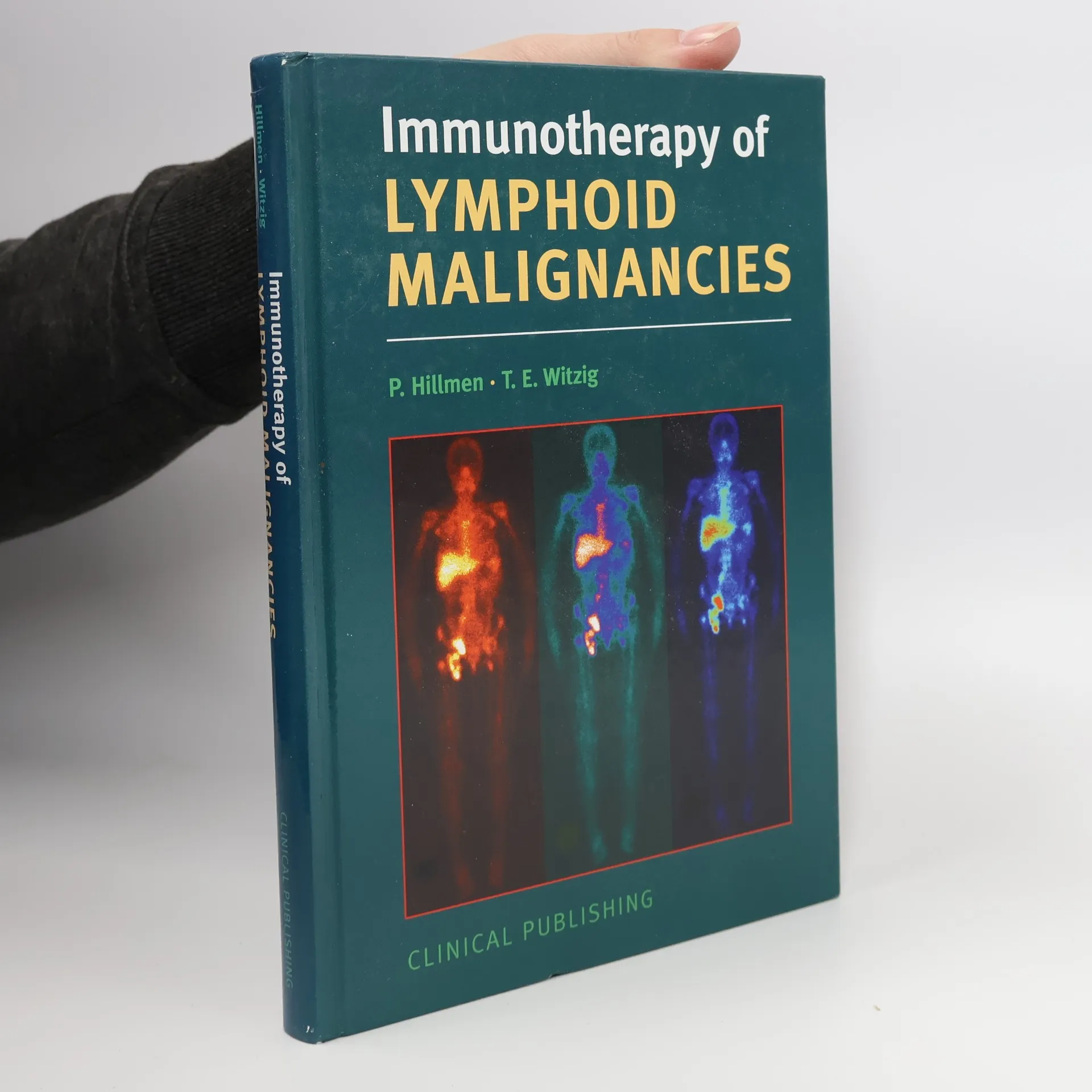
Therapeutic Strategies in Lymphoid Malignancy
An Immunotherapeutic Approach
Authors
More about the book
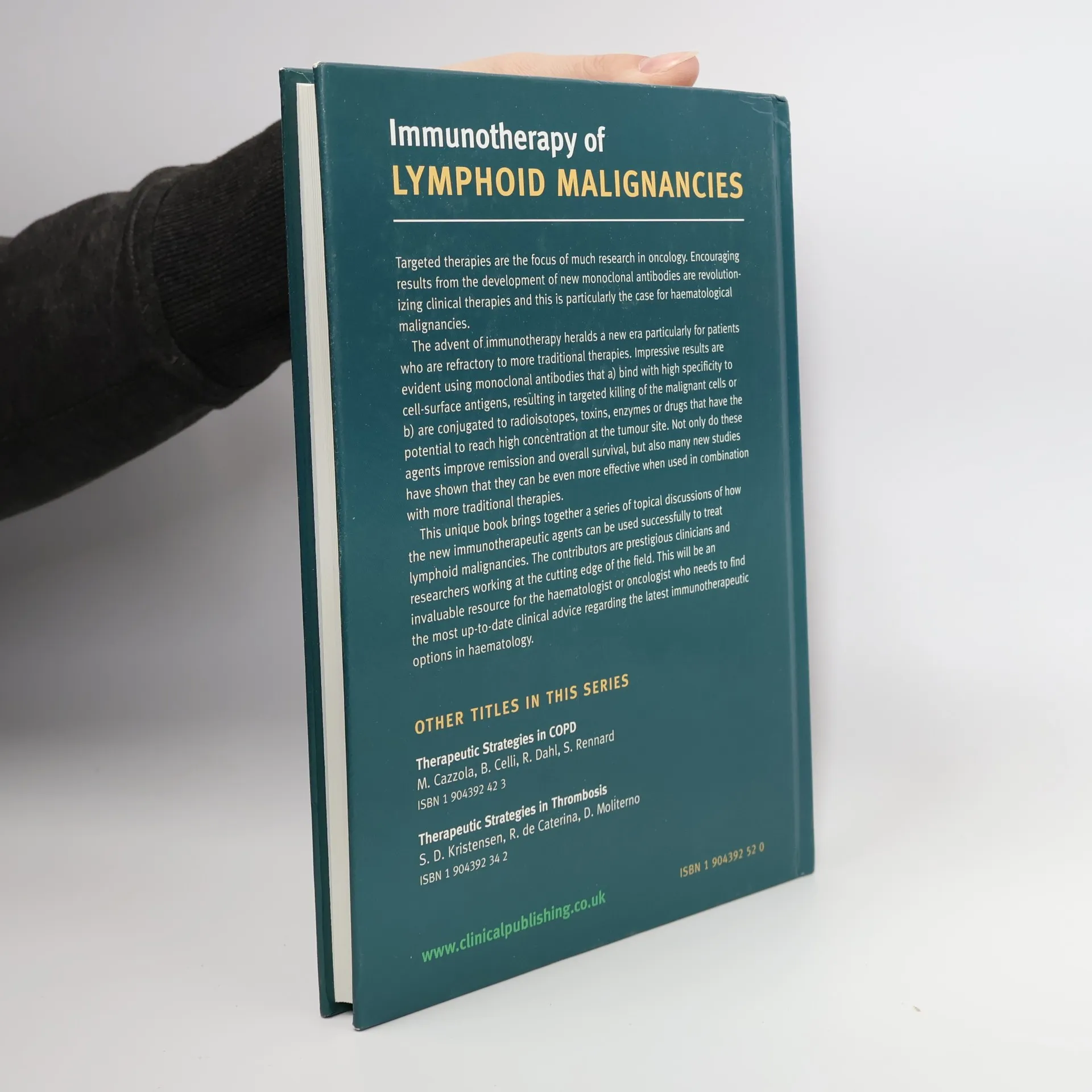
Targeted therapies are the focus of much research in oncology. Encouraging results from the development of new monoclonal antibodies are revolutionizing clinical therapies and this is particularly the case for haematologic malignancies. The advent of immunotherapy heralds a new era particularly for patients who are refractory to more traditional therapies. Impressive results are evident using monoclonal antibodies (mAb) that a) bind with high specificity to cell-surface antigens, resulting in targeted killing of the malignant cells or b) are conjugated to radioisotopes, toxins, enzymes or drugs that have the potential to reach high concentration at the tumour site. Not only do these agents improve remission and overall survival, but also many new studies have shown that they can be even more effective when used in combination with more traditional therapies. This unique book brings together a series of topical discussions of how the new immunotherapeutic agents can be used successfully to treat lymphoid malignancies. The contributors are prestigious clinicians and researchers working at the cutting edge of the field. This will be an invaluable resource for the haematologist or oncologist who will find up-to-date data and clinical advice regarding the latest immunotherapeutic options in haematology.
Book purchase
Therapeutic Strategies in Lymphoid Malignancy, P. Hillmen, T. E. Witzig
- Language

- Released
- 2005
- Binding
- (Hardcover),
- Book condition
- Good
- Price
- €17.99
Payment methods
No one has rated yet.
- Title
- Therapeutic Strategies in Lymphoid Malignancy
- Subtitle
- An Immunotherapeutic Approach
- Language
- English
- Authors
- P. Hillmen, T. E. Witzig
- Publisher
- CRC Press
- Released
- 2005
- Format
- Hardcover
- Pages
- 236
- ISBN10
- 1904392520
- ISBN13
- 9781904392521
- Series
- Tags
- USA, Medicine, Oncology, Immunology, Hematology
- Description
- Targeted therapies are the focus of much research in oncology. Encouraging results from the development of new monoclonal antibodies are revolutionizing clinical therapies and this is particularly the case for haematologic malignancies. The advent of immunotherapy heralds a new era particularly for patients who are refractory to more traditional therapies. Impressive results are evident using monoclonal antibodies (mAb) that a) bind with high specificity to cell-surface antigens, resulting in targeted killing of the malignant cells or b) are conjugated to radioisotopes, toxins, enzymes or drugs that have the potential to reach high concentration at the tumour site. Not only do these agents improve remission and overall survival, but also many new studies have shown that they can be even more effective when used in combination with more traditional therapies. This unique book brings together a series of topical discussions of how the new immunotherapeutic agents can be used successfully to treat lymphoid malignancies. The contributors are prestigious clinicians and researchers working at the cutting edge of the field. This will be an invaluable resource for the haematologist or oncologist who will find up-to-date data and clinical advice regarding the latest immunotherapeutic options in haematology.