

English Heritage Guidebooks: Housesteads Roman Fort
Authors
More about the book
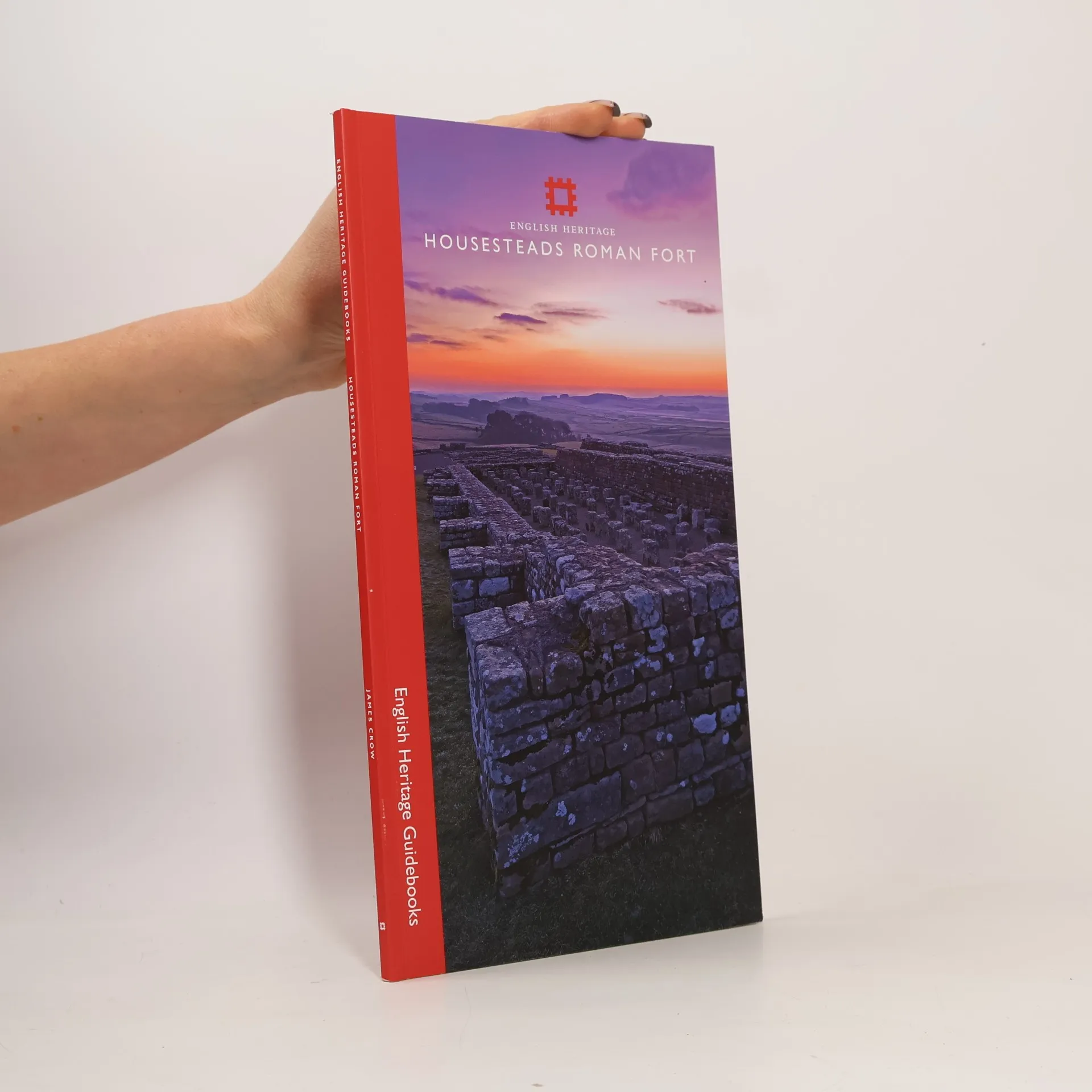
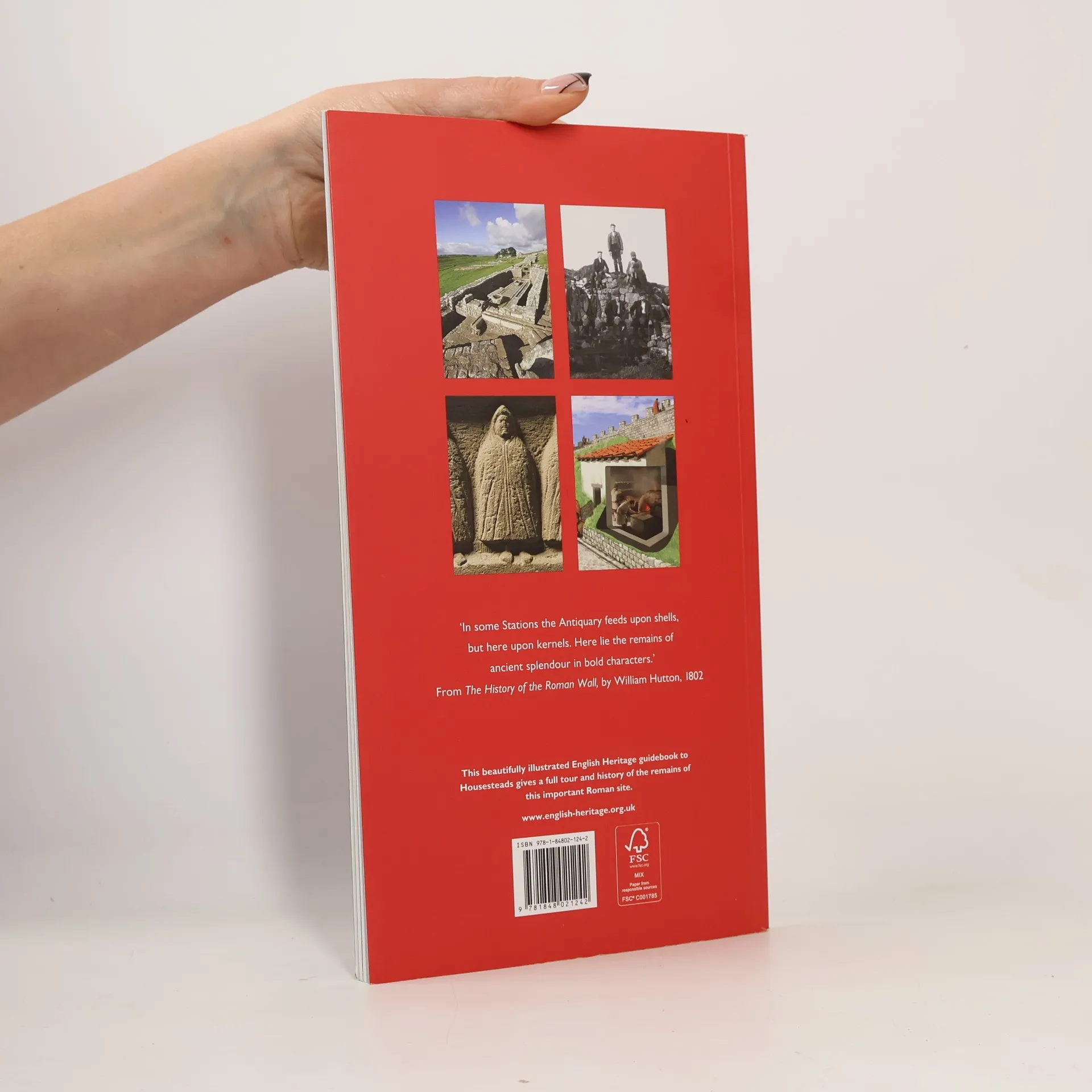
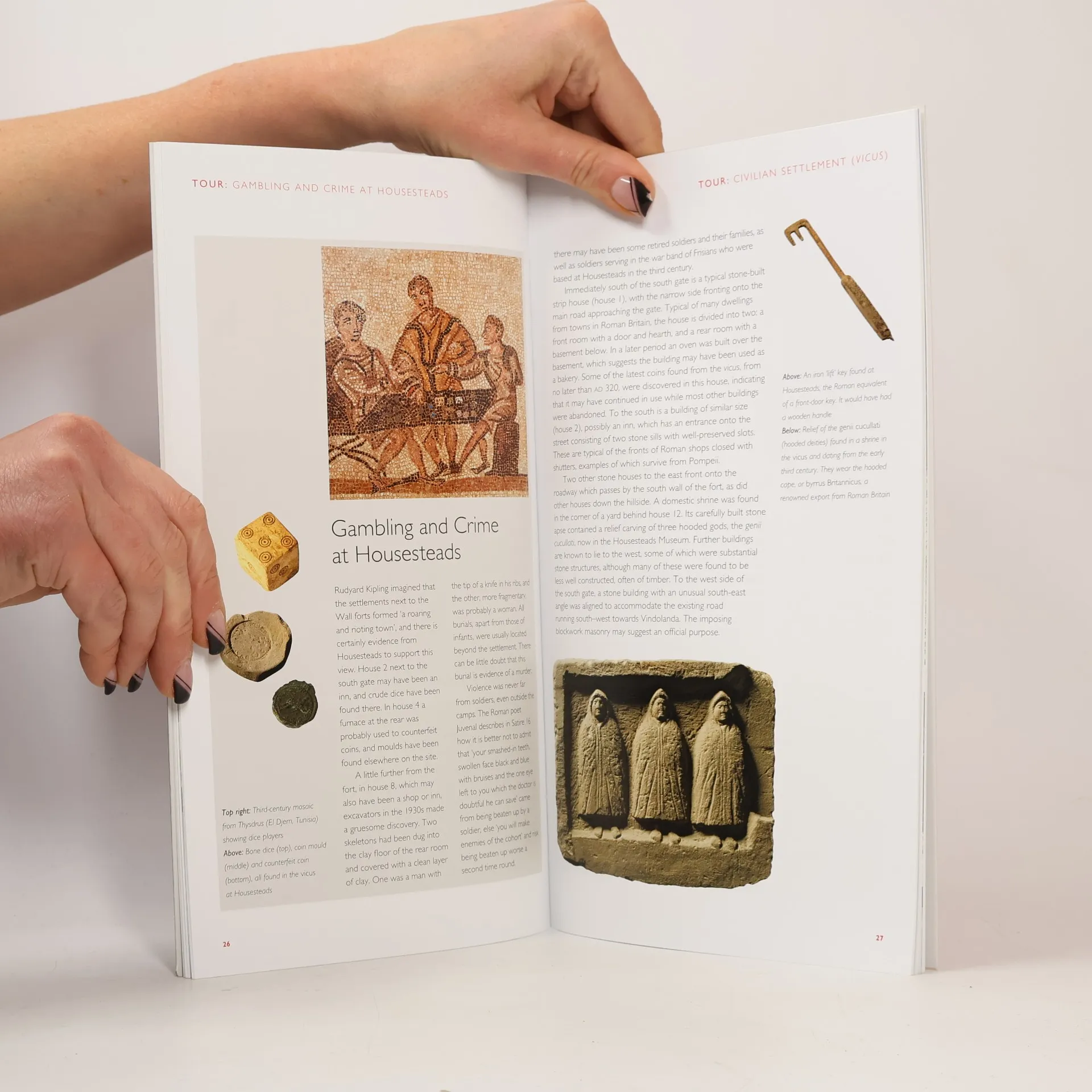
Solitary, beneath the wide Northumbrian sky and sprawled across the jagged rampart of the Whin Sill escarpment, the Roman fort at Housesteads represents the northern margin of an empire which once reached as far as the Caucasus and the Atlas Mountains. One of the 15 forts built on Hadrian's Wall, which was started in AD 122, it is situated about midway along the Wall's length. An infantry regiment about 800 strong - the First Cohort of Tungrians raised in eastern Belgium - garrisoned the fort for much of the period of Roman rule here. The visible remains - including the finest preserved latrines known from Roman Britain - reveal the changing needs of the garrison up to the early fifth century. Form then the fort seems to have been largely abandoned until the 16th century, when it was taken over by a lawless community on the Anglo-Scottish border.Renowned since the early 19th century as the 'Grandest Station' along the Wall, Housesteads has been the focus of archaeological research for almost 200 years. The inscriptions and scultpures scattered around the site attracted early antiquarian visitors. Excavations throughout the 19th century, and especially in 1989, provided one of the earliest examples of a complete plan of a Roman fort known anywhere in the Empire.
Book purchase
English Heritage Guidebooks: Housesteads Roman Fort, James Crow
- Language

- Released
- 2012
- Binding
- (Paperback),
- Book condition
- Very Good
- Price
- €9.79
Payment methods
No one has rated yet.
- Title
- English Heritage Guidebooks: Housesteads Roman Fort
- Language
- English
- Authors
- James Crow
- Publisher
- English Heritage
- Released
- 2012
- Format
- Paperback
- Pages
- 48
- ISBN10
- 1848021240
- ISBN13
- 9781848021242
- Series
- Categories
- Tags
- Description
- Solitary, beneath the wide Northumbrian sky and sprawled across the jagged rampart of the Whin Sill escarpment, the Roman fort at Housesteads represents the northern margin of an empire which once reached as far as the Caucasus and the Atlas Mountains. One of the 15 forts built on Hadrian's Wall, which was started in AD 122, it is situated about midway along the Wall's length. An infantry regiment about 800 strong - the First Cohort of Tungrians raised in eastern Belgium - garrisoned the fort for much of the period of Roman rule here. The visible remains - including the finest preserved latrines known from Roman Britain - reveal the changing needs of the garrison up to the early fifth century. Form then the fort seems to have been largely abandoned until the 16th century, when it was taken over by a lawless community on the Anglo-Scottish border.Renowned since the early 19th century as the 'Grandest Station' along the Wall, Housesteads has been the focus of archaeological research for almost 200 years. The inscriptions and scultpures scattered around the site attracted early antiquarian visitors. Excavations throughout the 19th century, and especially in 1989, provided one of the earliest examples of a complete plan of a Roman fort known anywhere in the Empire.