

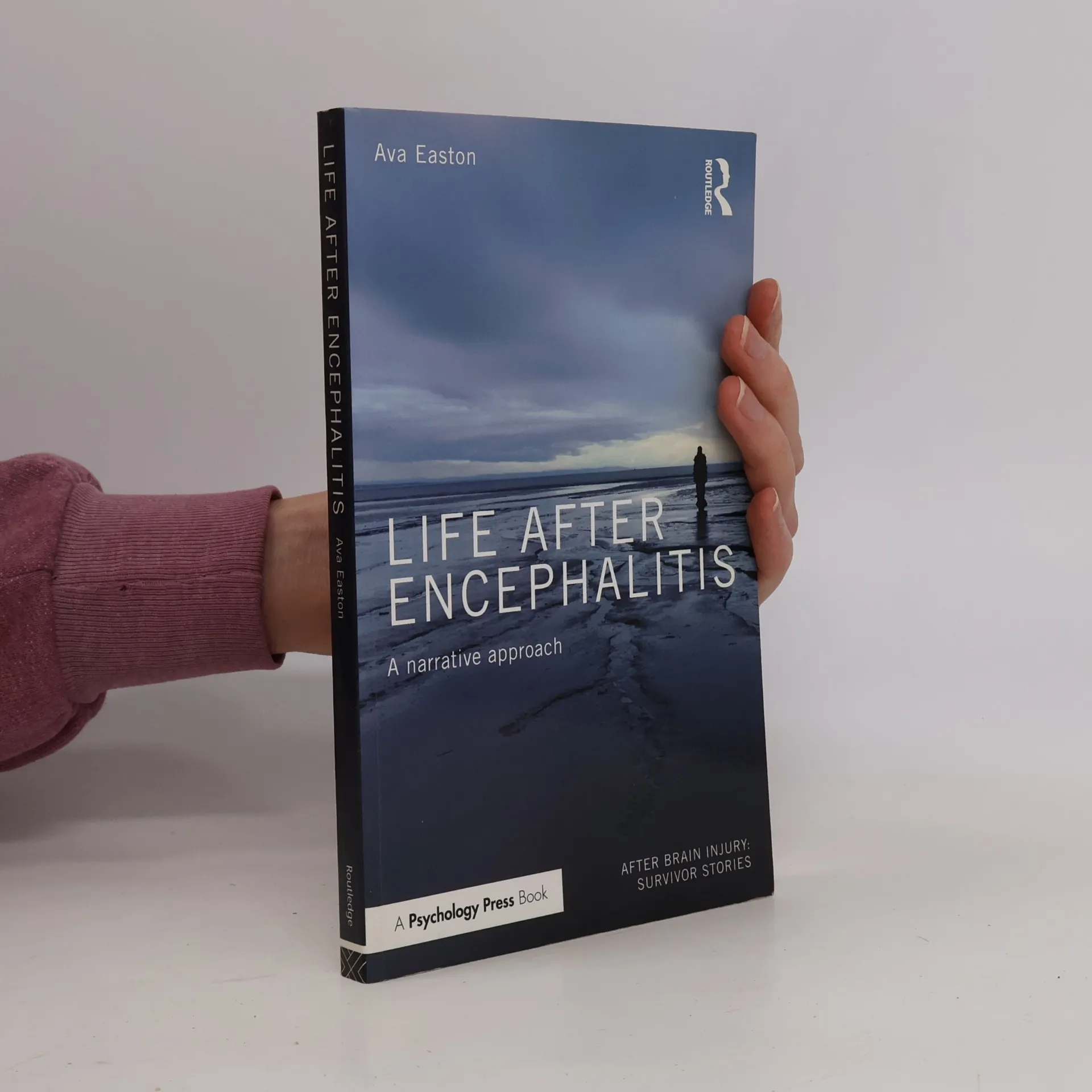
After Brain Injury: Survivor Stories: Life After Encephalitis
A Narrative Approach
Authors
More about the book
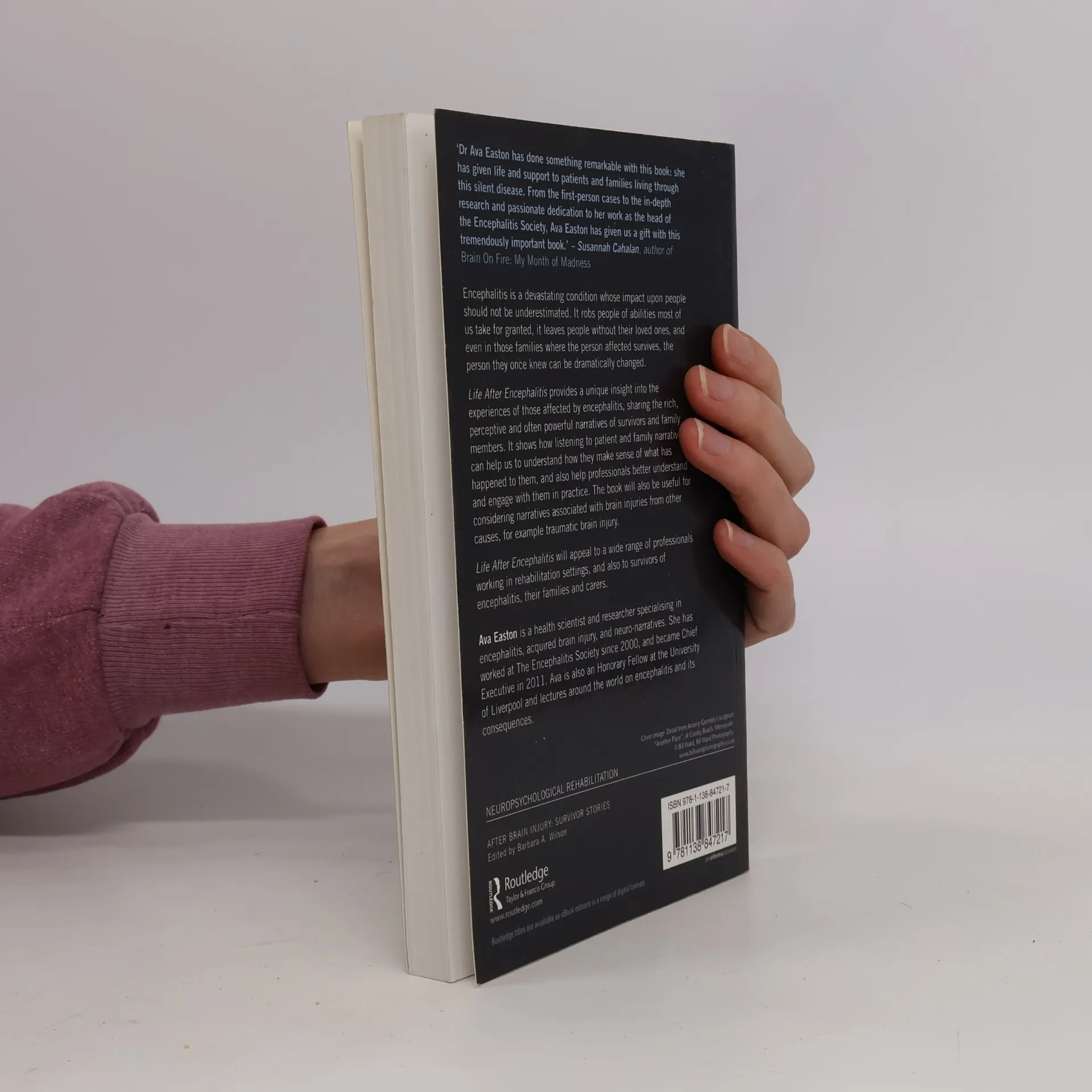
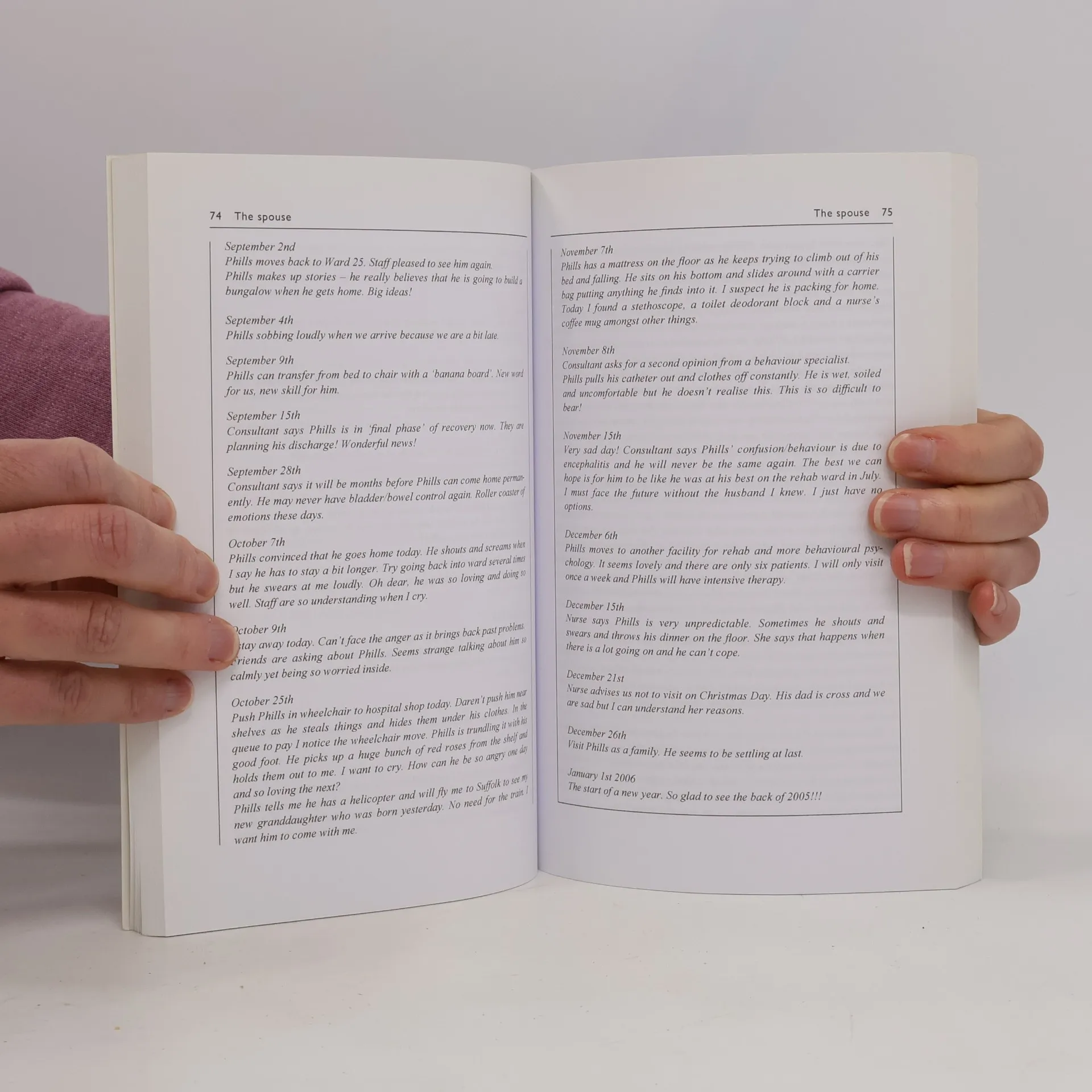
Encephalitis is a devastating condition whose impact upon people should not be underestimated. It robs people of abilities most of us take for granted, it leaves people without their loved ones, and even in those families where the person affected survives the person they once knew can be dramatically changed. Life After Encephalitis provides a unique insight into the experiences of those affected by encephalitis, sharing the rich, perceptive, and often powerful, narratives of survivors and family members. It shows how listening to patient and family narratives can help us to understand how they make sense of what has happened to them, and also help professionals better understand and engage with them in practice. The book will also be useful for considering narratives associated with brain injuries from other causes, for example traumatic brain injury. Life After Encephalitis will appeal to a wide range of professionals working in rehabilitation settings, and also to and survivors of encephalitis, their families, and carers.
Book purchase
After Brain Injury: Survivor Stories: Life After Encephalitis, Ava Easton
- Language

- Released
- 2016
- Binding
- (Paperback),
- Book condition
- Good
- Price
- €6.09
Payment methods
No one has rated yet.
- Title
- After Brain Injury: Survivor Stories: Life After Encephalitis
- Subtitle
- A Narrative Approach
- Language
- English
- Authors
- Ava Easton
- Publisher
- Taylor & Francis Ltd
- Released
- 2016
- Format
- Paperback
- Pages
- 220
- ISBN10
- 1138847216
- ISBN13
- 9781138847217
- Series
- Categories
- Tags
- Health & Medicine, Nature, Psychological Topics, Medicine, Brain, Neurology, Neuropsychology, Occupational Therapy, Encephalitis
- Description
- Encephalitis is a devastating condition whose impact upon people should not be underestimated. It robs people of abilities most of us take for granted, it leaves people without their loved ones, and even in those families where the person affected survives the person they once knew can be dramatically changed. Life After Encephalitis provides a unique insight into the experiences of those affected by encephalitis, sharing the rich, perceptive, and often powerful, narratives of survivors and family members. It shows how listening to patient and family narratives can help us to understand how they make sense of what has happened to them, and also help professionals better understand and engage with them in practice. The book will also be useful for considering narratives associated with brain injuries from other causes, for example traumatic brain injury. Life After Encephalitis will appeal to a wide range of professionals working in rehabilitation settings, and also to and survivors of encephalitis, their families, and carers.