

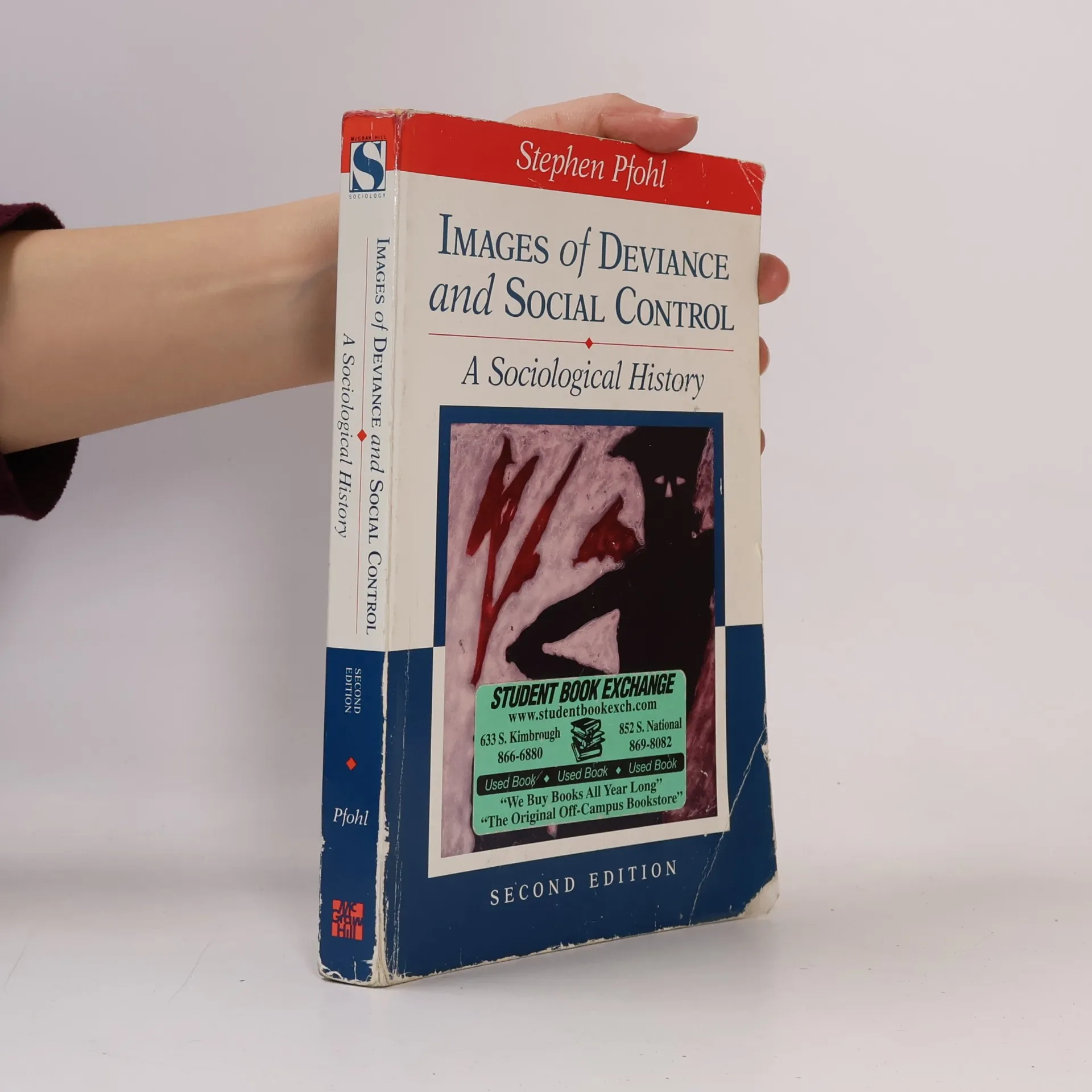
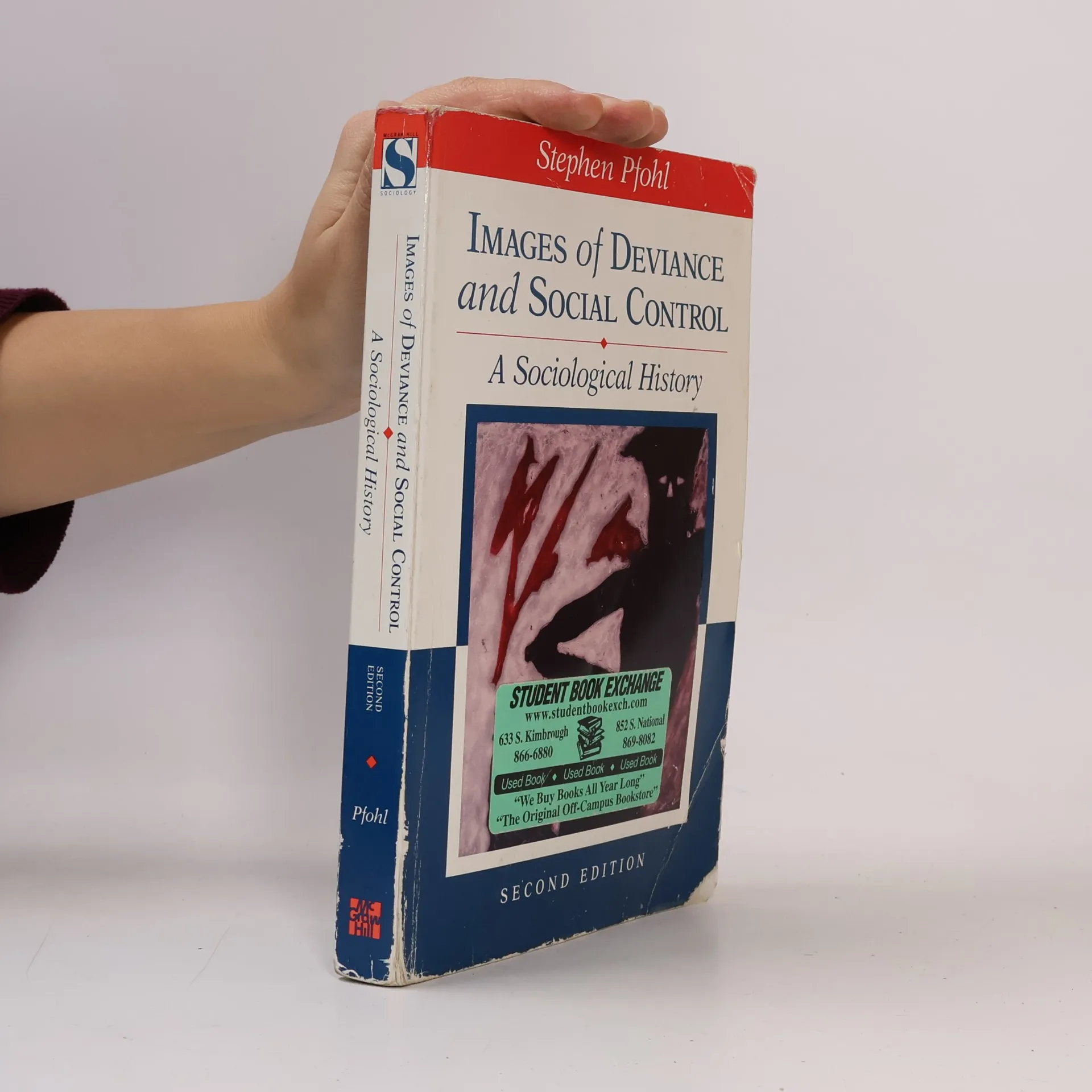

Images of Deviance and Social Control
A Sociological History - Second Edition
Authors
Parameters
- 528 pages
- 19 hours of reading
More about the book
A very scholarly, upper-level text examining deviance and social control using nine major theoretical perspectives. For each perspective, Pfohl describes the basic theoretical images of deviance; discusses dominant research strategies and social control policies; locates the perspective within a general sociohistorical framework; discusses its status today; and assesses its strengths and weaknesses. While primarily sociological, it spans the concerns of a variety of disciplines (criminology/CJ, anthropology, religion, psychology, medicine, political science), integrating references to literature, film, music, and painting to show parallels between images of deviance produced by scientists and those produced by artists. A persuasive theme is that power relations, which are socially organized, shape a person's perception, definition, and reaction to deviance; thus, the study of deviance and social control is decidedly political. In the second edition, in addition to general updating, Pfohl enhances material on race and gender in the hierarchical/patriarchal power structure. He also expands and elaborates upon the critical perspective, devoting the two final chapters to it.
Book purchase
Images of Deviance and Social Control, Stephen J. Pfohl
- Language

- Released
- 1994
- Binding
- (Paperback),
- Book condition
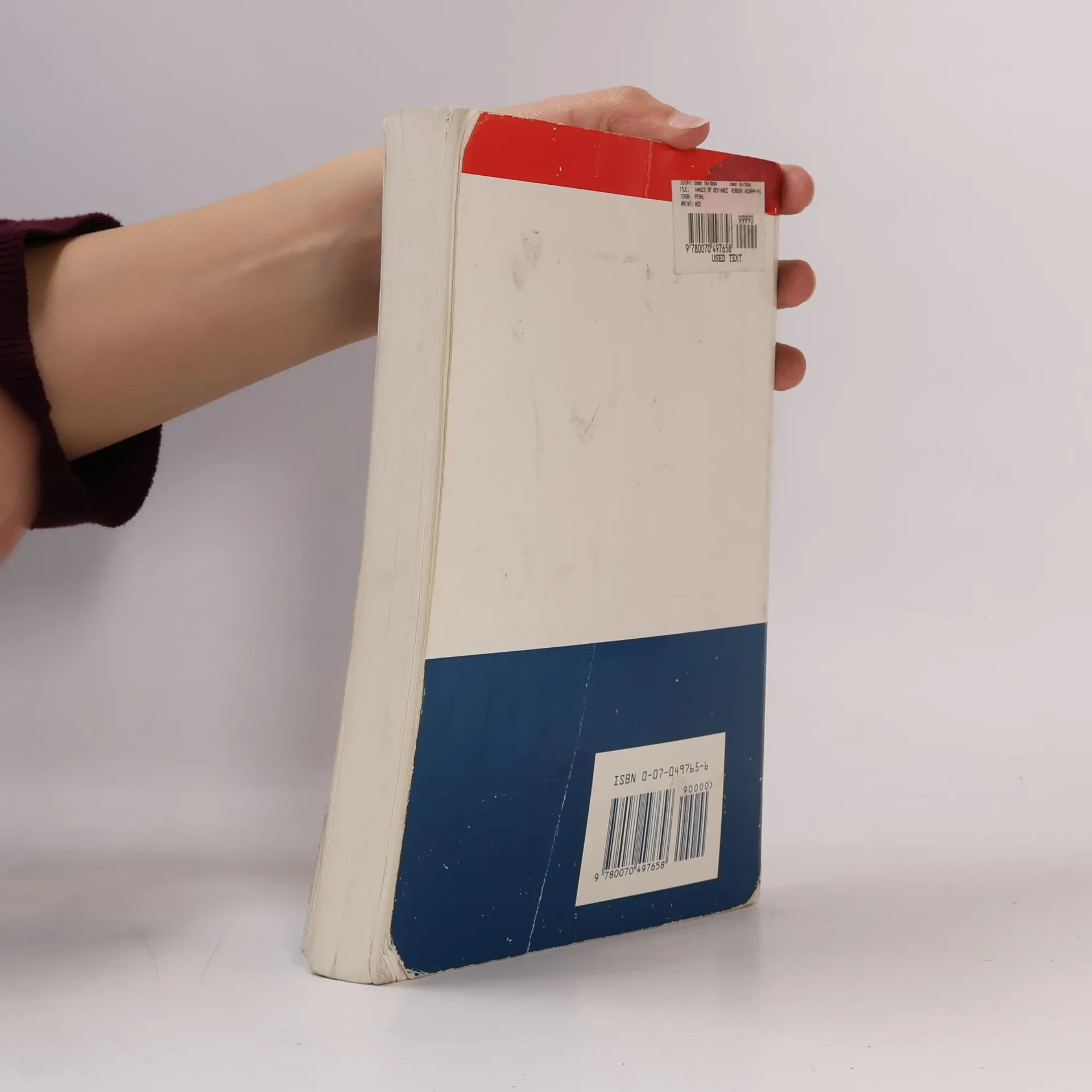
- Damaged
- Price
- €7.69
Payment methods
No one has rated yet.
- Title
- Images of Deviance and Social Control
- Subtitle
- A Sociological History - Second Edition
- Language
- English
- Authors
- Stephen J. Pfohl
- Publisher
- McGraw-Hill
- Released
- 1994
- Format
- Paperback
- Pages
- 528
- ISBN10
- 0070497656
- ISBN13
- 9780070497658
- Series
- Categories
- Description
- A very scholarly, upper-level text examining deviance and social control using nine major theoretical perspectives. For each perspective, Pfohl describes the basic theoretical images of deviance; discusses dominant research strategies and social control policies; locates the perspective within a general sociohistorical framework; discusses its status today; and assesses its strengths and weaknesses. While primarily sociological, it spans the concerns of a variety of disciplines (criminology/CJ, anthropology, religion, psychology, medicine, political science), integrating references to literature, film, music, and painting to show parallels between images of deviance produced by scientists and those produced by artists. A persuasive theme is that power relations, which are socially organized, shape a person's perception, definition, and reaction to deviance; thus, the study of deviance and social control is decidedly political. In the second edition, in addition to general updating, Pfohl enhances material on race and gender in the hierarchical/patriarchal power structure. He also expands and elaborates upon the critical perspective, devoting the two final chapters to it.