

Ariel
Authors
More about the book
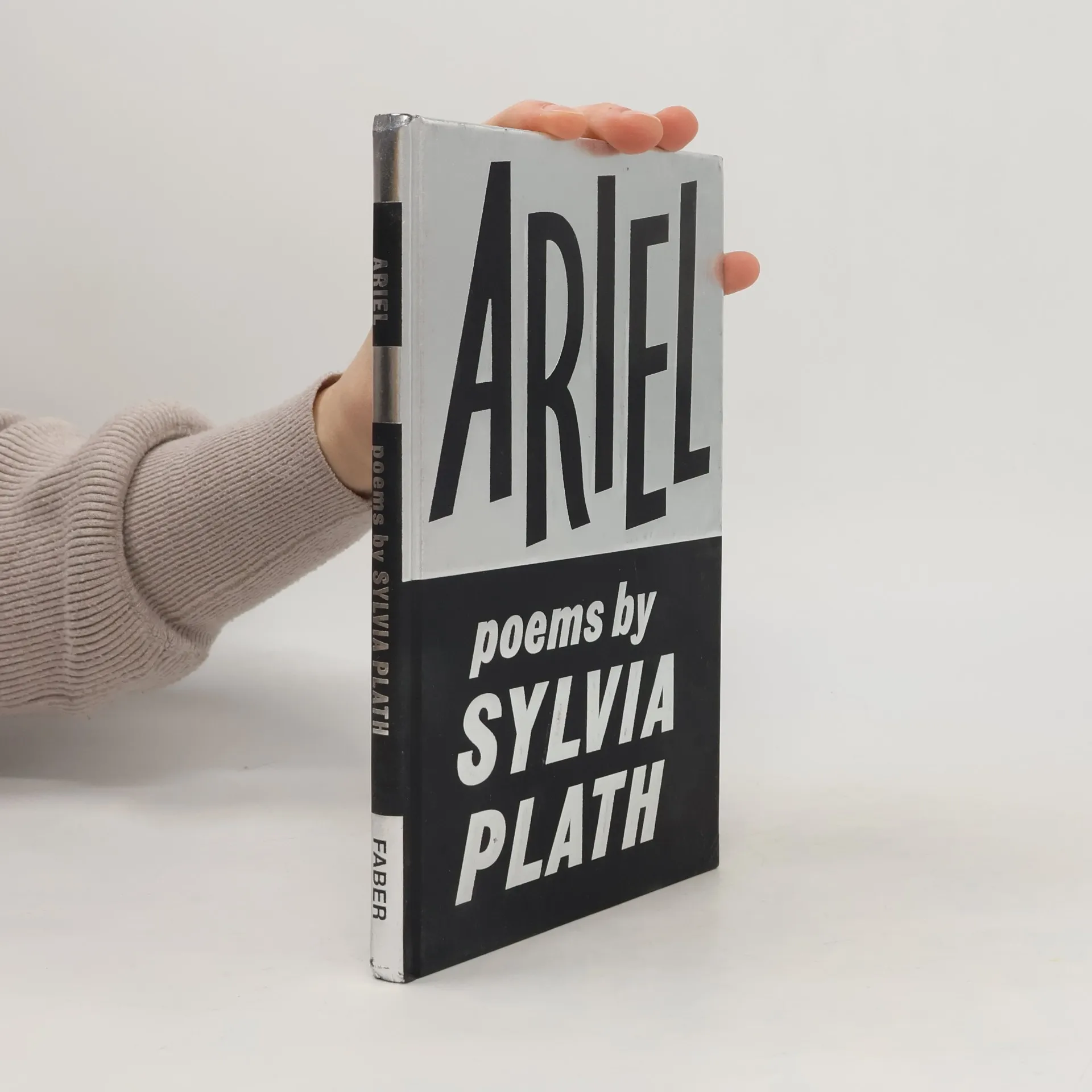
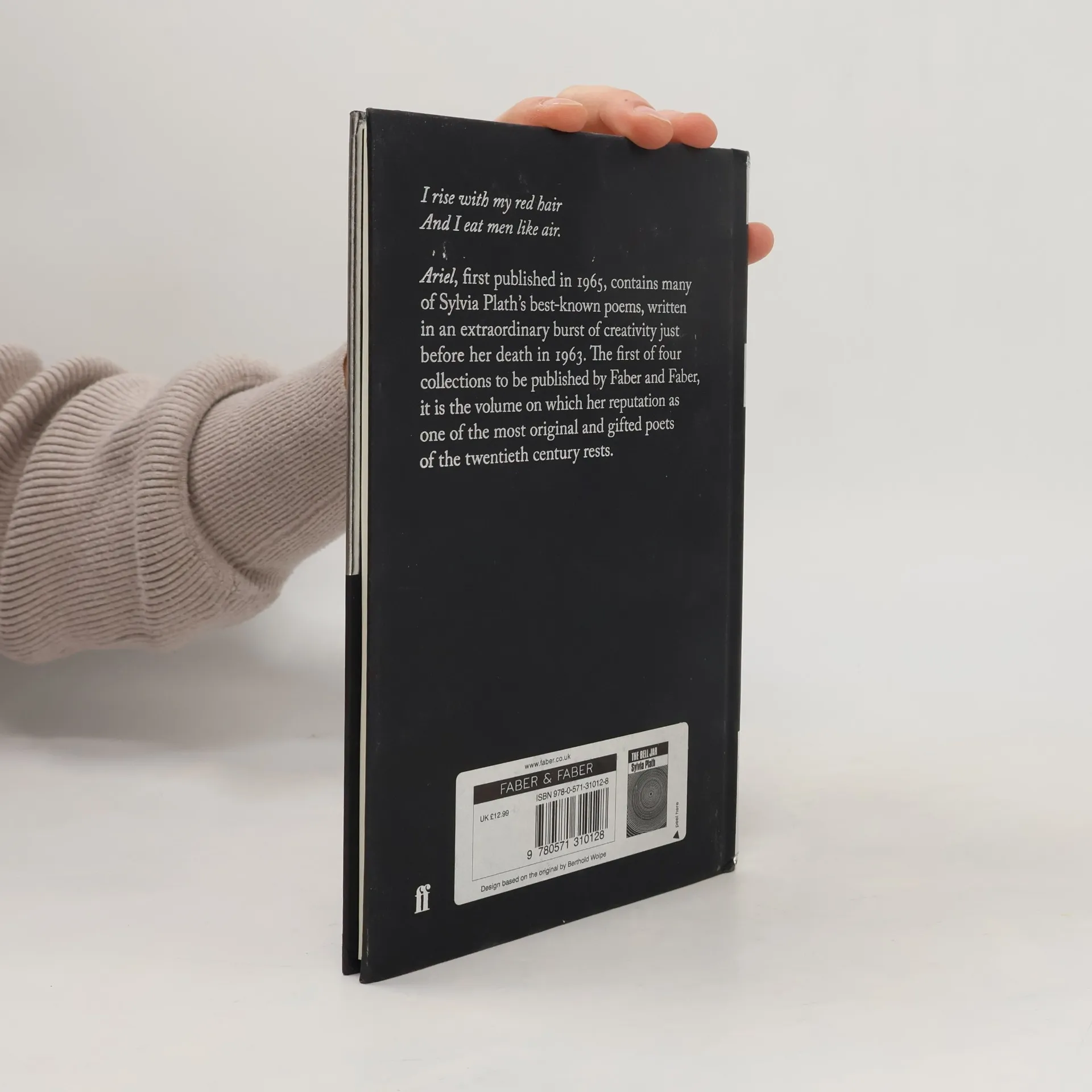
<i>Ariel</i> (1965) contains many of Sylvia Plath's best-known poems written in an extraordinary burst of creativity just before her death in 1963, including 'Lady Lazarus', 'Edge', 'Daddy' and 'Paralytic'. The first of four collections to be published by Faber & Faber, <i>Ariel </i>is the volume on which Sylvia Plath's reputation as one of the most original, daring and gifted poets of the twentieth century rests. This beautiful hardback reproduces the classic design of the first edition of a volume now recognised to be one of the most shocking and iconic collections of poetry of the twentieth century. 'If the poems are despairing, vengeful and destructive, they are at the same time tender, open to things, and also unusually clever, sardonic, hardminded . . . They are works of great artistic purity and, despite all the nihilism, great generosity . . . the book is a major literary event.' A. Alvarez in the <i>Observer</i>
Book purchase
Ariel, Sylvia Plath
- Language

- Released
- 2013
- Binding
- (Hardcover),
- Book condition
- Good
- Price
- €54.99
Payment methods
No one has rated yet.
- Title
- Ariel
- Language
- English
- Authors
- Sylvia Plath
- Publisher
- Faber & Faber
- Released
- 2013
- Format
- Hardcover
- Pages
- 96
- ISBN10
- 0571310125
- ISBN13
- 9780571310128
- Series
- Tags
- Women, USA, 20th century, American Literature, Feminism, Mental Health, Mental Illness, 1960s, American Poetry
- Description
- <i>Ariel</i> (1965) contains many of Sylvia Plath's best-known poems written in an extraordinary burst of creativity just before her death in 1963, including 'Lady Lazarus', 'Edge', 'Daddy' and 'Paralytic'. The first of four collections to be published by Faber & Faber, <i>Ariel </i>is the volume on which Sylvia Plath's reputation as one of the most original, daring and gifted poets of the twentieth century rests. This beautiful hardback reproduces the classic design of the first edition of a volume now recognised to be one of the most shocking and iconic collections of poetry of the twentieth century. 'If the poems are despairing, vengeful and destructive, they are at the same time tender, open to things, and also unusually clever, sardonic, hardminded . . . They are works of great artistic purity and, despite all the nihilism, great generosity . . . the book is a major literary event.' A. Alvarez in the <i>Observer</i>