

Dialog mit Mi Fu
More about the book
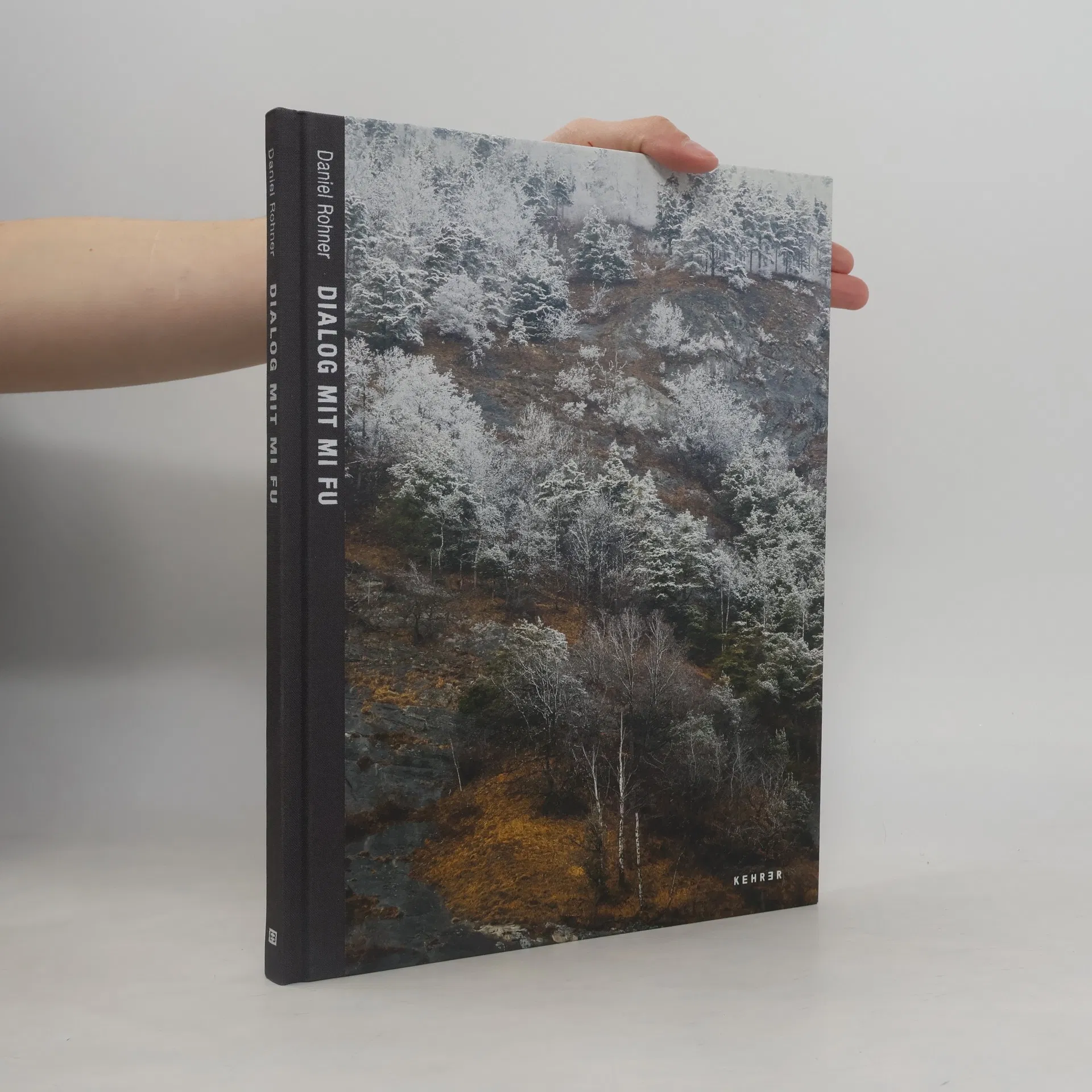
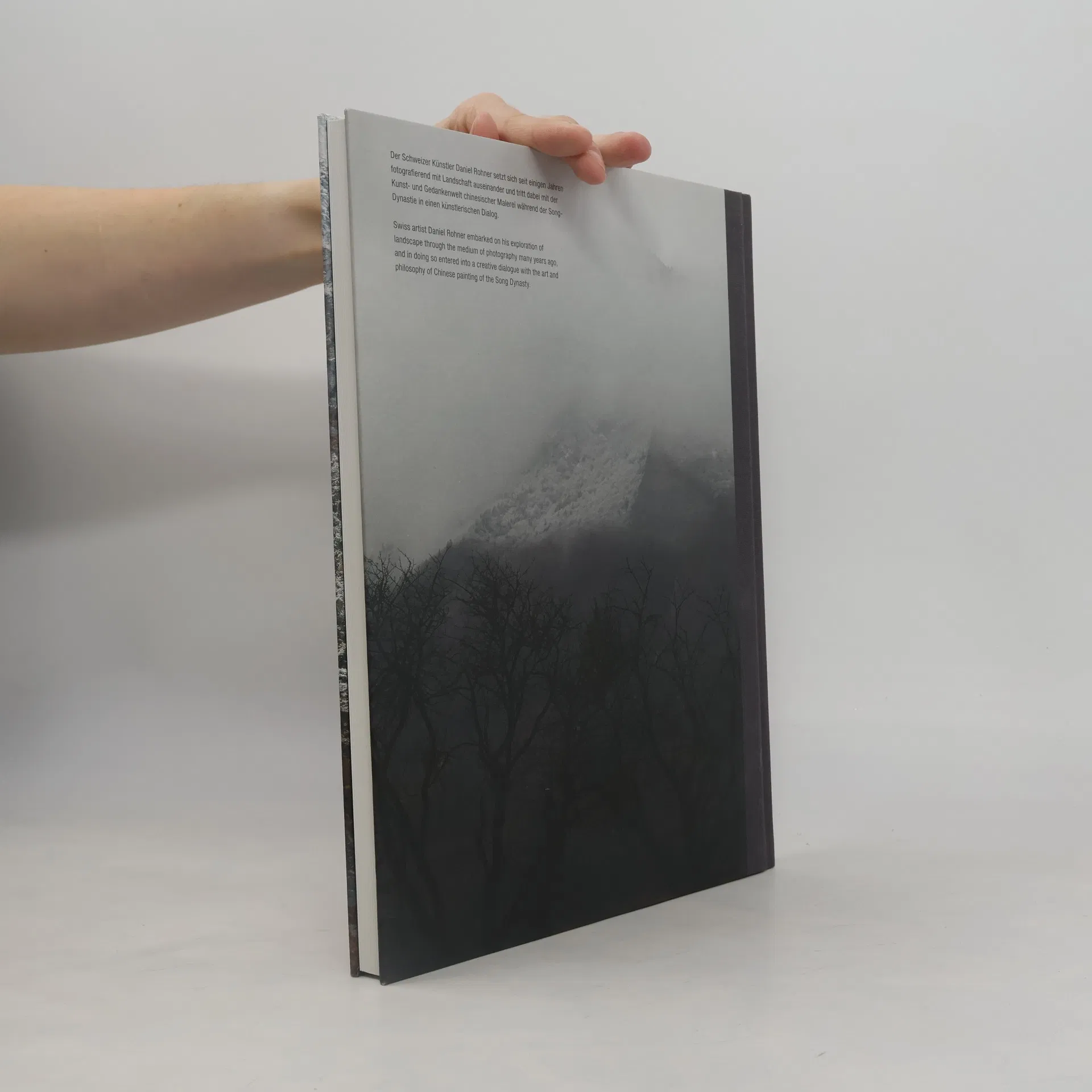
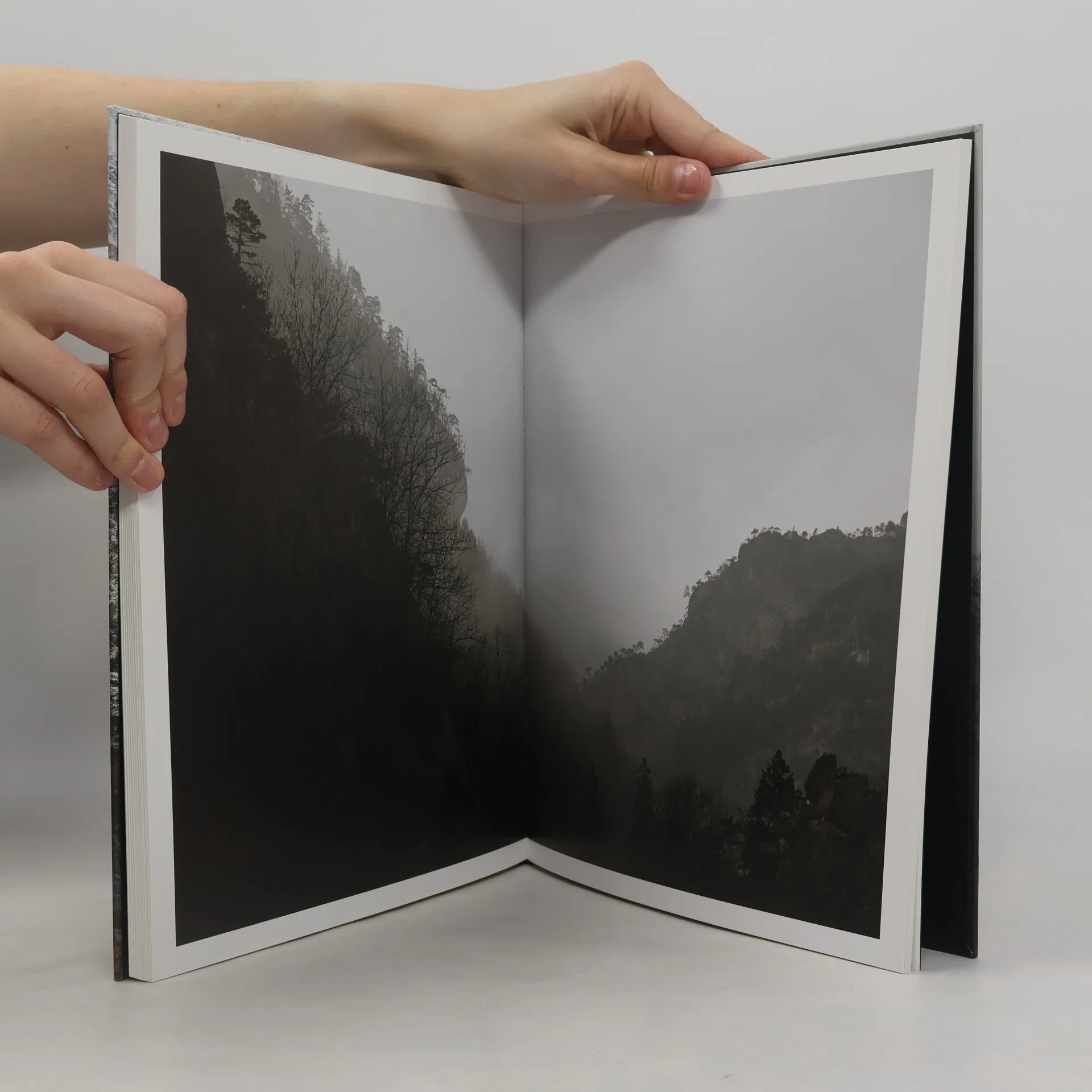
For several years now, the Swiss photo artist Daniel Rohner has been addressing the theme of the landscape, as well as the aesthetics of Chinese art and philosophy. He focuses on ink-paintings by Mi Fu (1051-1107), whom Rohner sees as the chief witness of his own thought processes pictures which lend themselves to a new interpretation, an actualization or perhaps merely a translation into a new contemporary medium. Rohner climbs into the Rhine Gorge, which has dug its way deep into the mountain landscape of Grison between Reichenau and Ilanz; he explores Chur's backyard mountain Calanda and shoots photos in the Laufen Valley near Basle. These sites lie on his doorstep; they are familiar and visited frequently and this determines the compositions of Rohner's landscapes: peaceful, without any alpine heroism, prudently and precisely composed and, especially in their persistence, characterized by an almost meditative serenity, at peace with themselves. Traces of civilisation can be discerned, but, in light of the overwhelming nature, are restricted to a pure reminiscence of human existence.
Book purchase
Dialog mit Mi Fu, Lothar Ledderose, Andres Pardey, Daniel Rohner, Andrin Schütz
- Language

- Released
- 2017
- Binding
- (Hardcover),
- Book condition
- Very Good
- Price
- €11.49
Payment methods
No one has rated yet.
- Title
- Dialog mit Mi Fu
- Language
- English
- Publisher
- Kehrer
- Released
- 2017
- Format
- Hardcover
- Pages
- 119
- ISBN10
- 3868287418
- ISBN13
- 9783868287417
- Series
- Categories
- Tags
- China, Landscape, Chinese Art
- Description
- For several years now, the Swiss photo artist Daniel Rohner has been addressing the theme of the landscape, as well as the aesthetics of Chinese art and philosophy. He focuses on ink-paintings by Mi Fu (1051-1107), whom Rohner sees as the chief witness of his own thought processes pictures which lend themselves to a new interpretation, an actualization or perhaps merely a translation into a new contemporary medium. Rohner climbs into the Rhine Gorge, which has dug its way deep into the mountain landscape of Grison between Reichenau and Ilanz; he explores Chur's backyard mountain Calanda and shoots photos in the Laufen Valley near Basle. These sites lie on his doorstep; they are familiar and visited frequently and this determines the compositions of Rohner's landscapes: peaceful, without any alpine heroism, prudently and precisely composed and, especially in their persistence, characterized by an almost meditative serenity, at peace with themselves. Traces of civilisation can be discerned, but, in light of the overwhelming nature, are restricted to a pure reminiscence of human existence.