

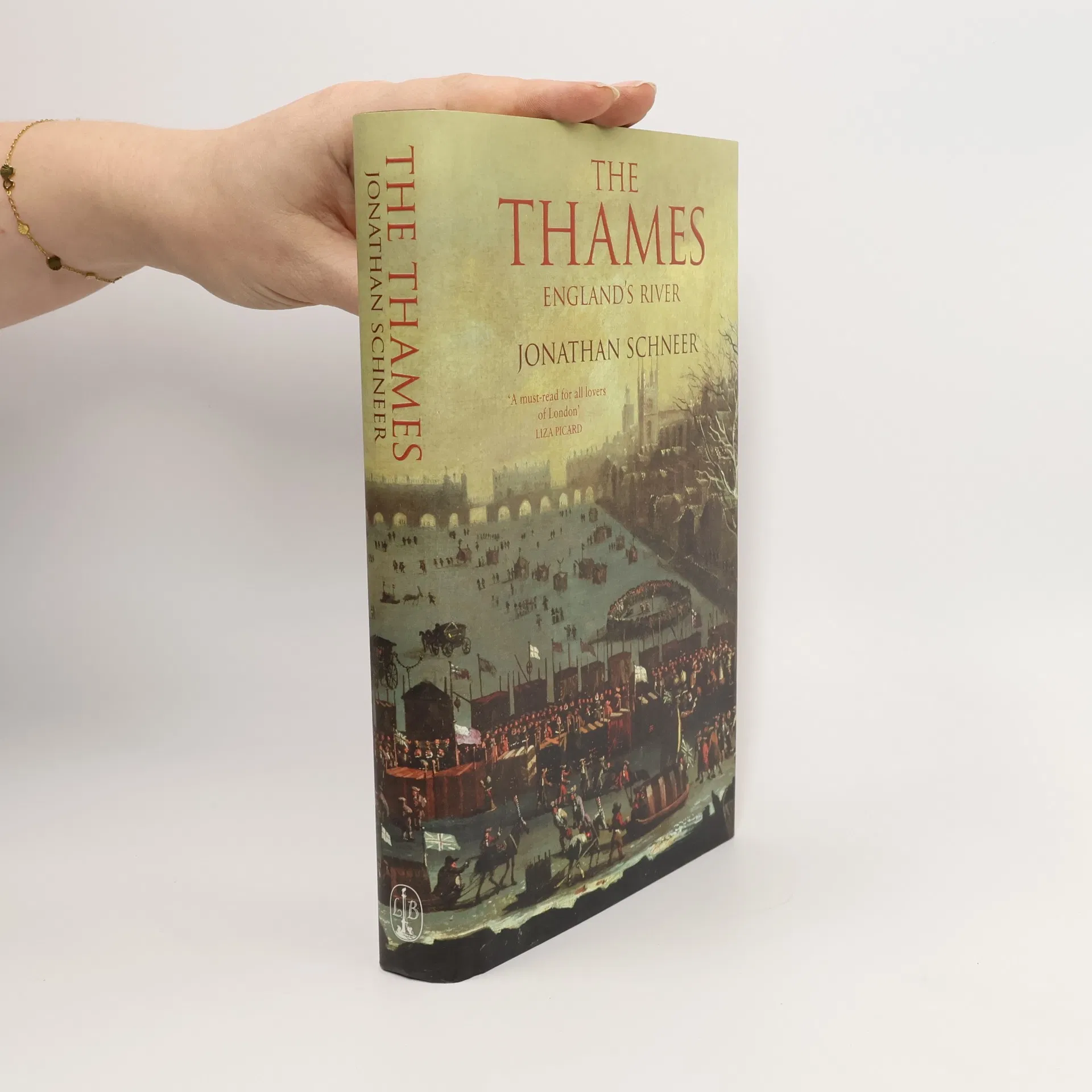
The Thames
England's River
Authors
More about the book
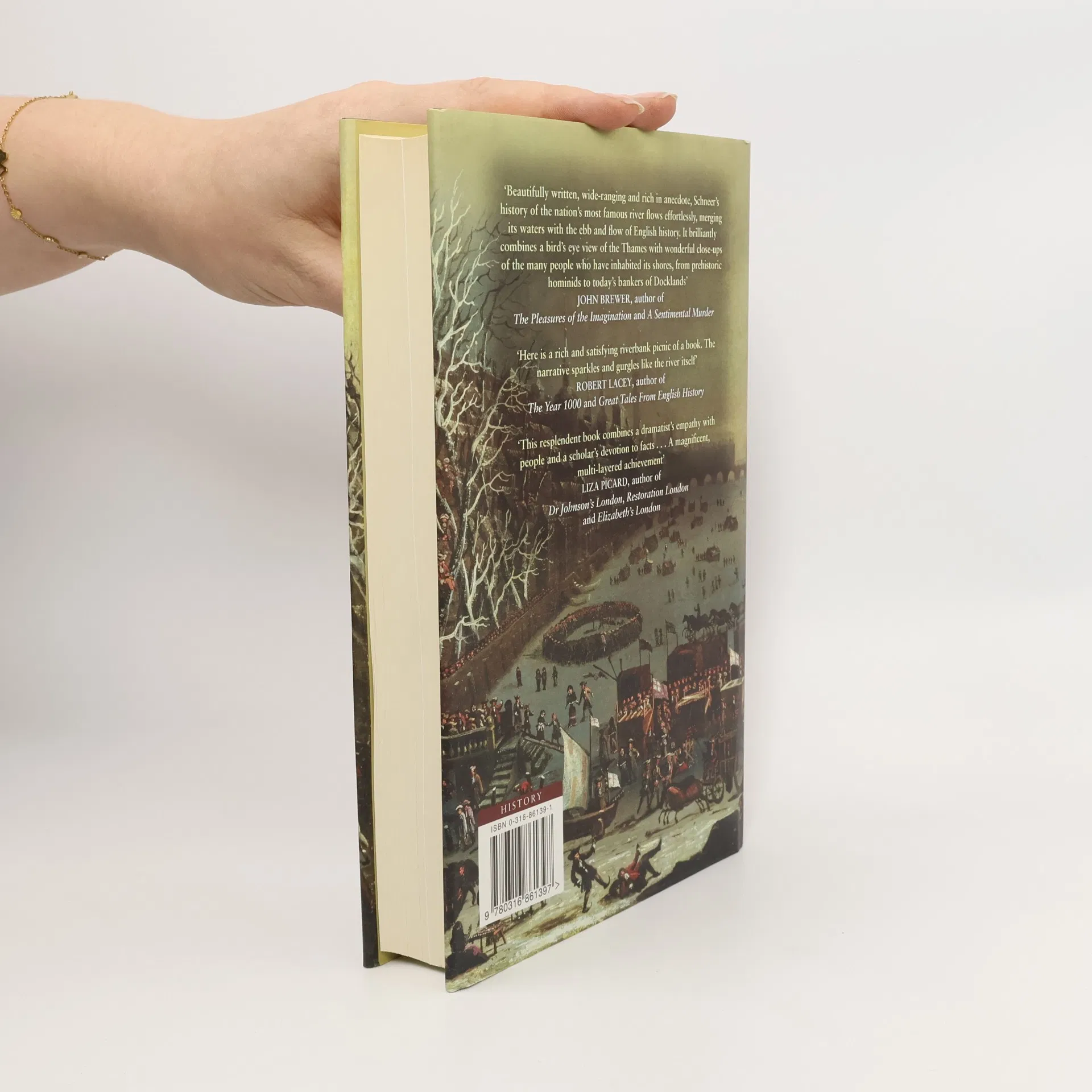
'The Thames is liquid history' John Burns MP (1858-1943) As the silver thread woven through Britain's centuries, the Thames is the subject of this significant biography. Following its course, geologically and chronologically, THE THAMES will chart the growing importance of the river and some of the dramatic historic events it was central to. the British nation. At Runnymede, in a field by the river, England's barons forced King John to sign the Magna Carta in 1215. At Tilbury, on the banks of the Thames, in 1588, Elizabeth exhorted her troops to defy the Spanish Armada. In dockland, in east London, in 1940, local residents absorbed the full fury of Hitler's dreaded Luftwaffe. Hitler tried, and failed, to destroy the Port of London, symbol of British commercial power, reservoir of the material needed to fuel and fund the British war effort. This is a book about a river, but also about the evolution, though not always smooth, of a national identity.
Book purchase
The Thames, Liza Picard, Jonathan Schneer
- Language

- Released
- 2005
- Binding
- (Hardcover),
- Book condition
- Very Good
- Price
- €10.89
Payment methods
No one has rated yet.
- Title
- The Thames
- Subtitle
- England's River
- Language
- English
- Authors
- Liza Picard, Jonathan Schneer
- Publisher
- Little, Brown & Company
- Released
- 2005
- Format
- Hardcover
- Pages
- 330
- ISBN10
- 0316861391
- ISBN13
- 9780316861397
- Series
- Categories
- Description
- 'The Thames is liquid history' John Burns MP (1858-1943) As the silver thread woven through Britain's centuries, the Thames is the subject of this significant biography. Following its course, geologically and chronologically, THE THAMES will chart the growing importance of the river and some of the dramatic historic events it was central to. the British nation. At Runnymede, in a field by the river, England's barons forced King John to sign the Magna Carta in 1215. At Tilbury, on the banks of the Thames, in 1588, Elizabeth exhorted her troops to defy the Spanish Armada. In dockland, in east London, in 1940, local residents absorbed the full fury of Hitler's dreaded Luftwaffe. Hitler tried, and failed, to destroy the Port of London, symbol of British commercial power, reservoir of the material needed to fuel and fund the British war effort. This is a book about a river, but also about the evolution, though not always smooth, of a national identity.