

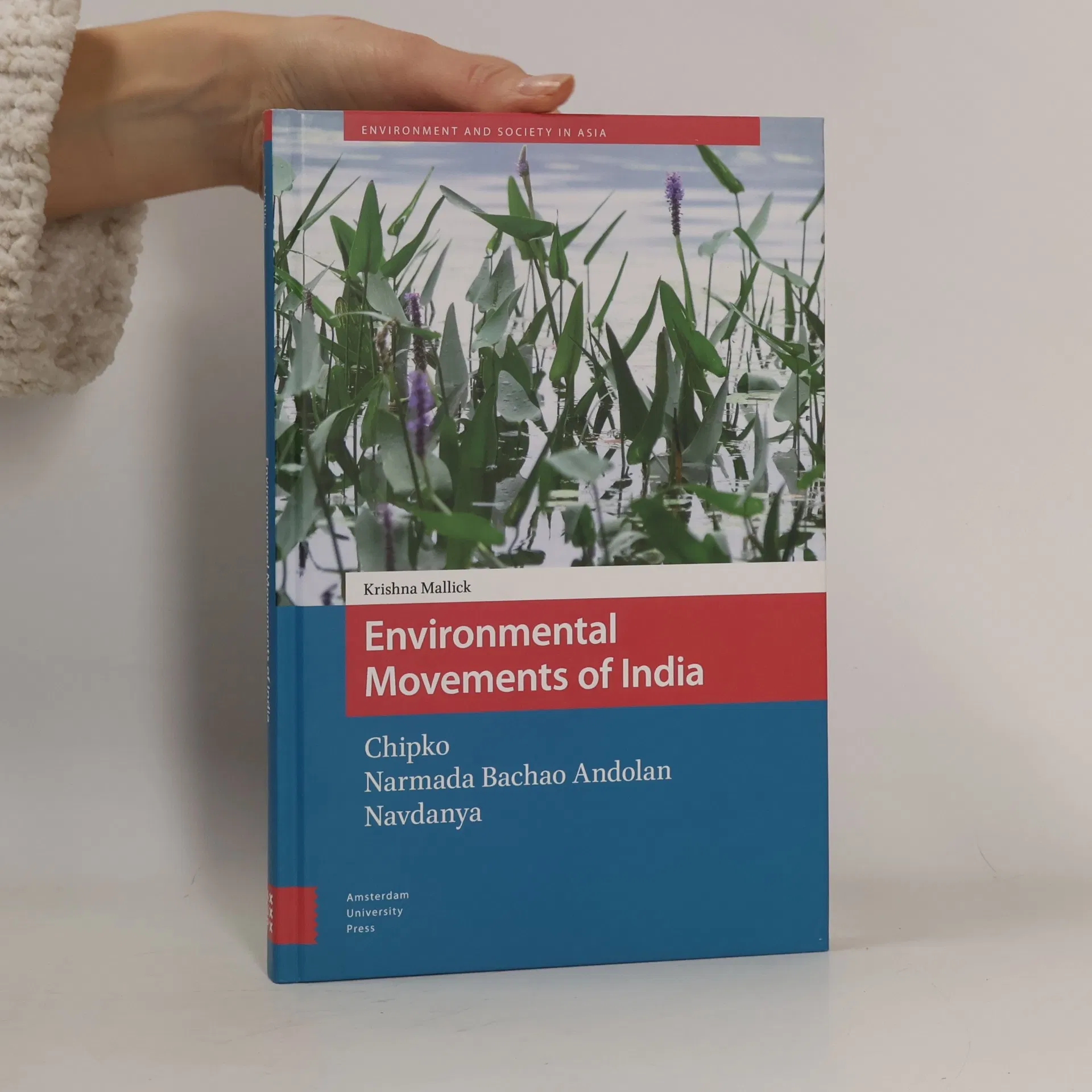
Environment and Society in Asia: Environmental Movements of India
Chipko, Narmada Bachao Andolan, Navdanya
Authors
More about the book
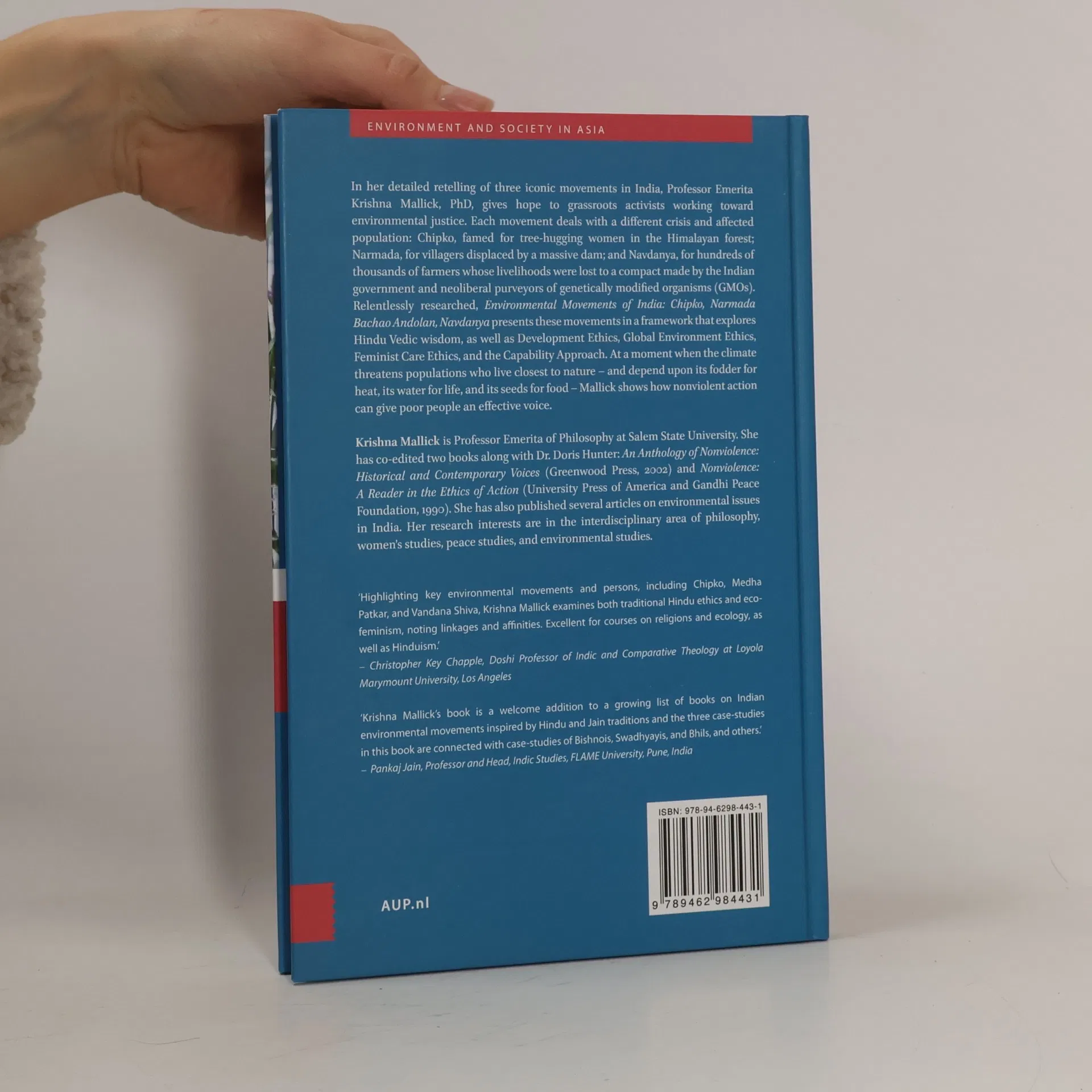
In her detailed retelling of three iconic movements in India, Professor Emerita Krishna Mallick, PhD, gives hope to grassroots activists working toward environmental justice. Each movement deals with a different crisis and affected population: Chipko, famed for tree-hugging women in the Himalayan forest; Narmada, for villagers displaced by a massive dam; and Navdanya, for hundreds of thousands of farmers whose livelihoods were lost to a compact made by the Indian government and neoliberal purveyors of genetically modified organisms (GMOs). Relentlessly researched, the book presents these movements in a framework that explores Hindu Vedic wisdom, as well as Development Ethics, Global Environment Ethics, Feminist Care Ethics, and the Capability Approach. At a moment when the climate threatens populations who live closest to nature--and depend upon its fodder for heat, its water for life, and its seeds for food--Mallick shows how nonviolent action can give poor people an effective voice.
Book purchase
Environment and Society in Asia: Environmental Movements of India, Krishna Mallick
- Language

- Released
- 2021
- Binding
- (Hardcover),
- Book condition
- Very Good
- Price
- €98.39
Payment methods
No one has rated yet.
- Title
- Environment and Society in Asia: Environmental Movements of India
- Subtitle
- Chipko, Narmada Bachao Andolan, Navdanya
- Language
- English
- Authors
- Krishna Mallick
- Publisher
- Amsterdam University Press
- Released
- 2021
- Format
- Hardcover
- Pages
- 190
- ISBN10
- 9462984433
- ISBN13
- 9789462984431
- Series
- Categories
- Description
- In her detailed retelling of three iconic movements in India, Professor Emerita Krishna Mallick, PhD, gives hope to grassroots activists working toward environmental justice. Each movement deals with a different crisis and affected population: Chipko, famed for tree-hugging women in the Himalayan forest; Narmada, for villagers displaced by a massive dam; and Navdanya, for hundreds of thousands of farmers whose livelihoods were lost to a compact made by the Indian government and neoliberal purveyors of genetically modified organisms (GMOs). Relentlessly researched, the book presents these movements in a framework that explores Hindu Vedic wisdom, as well as Development Ethics, Global Environment Ethics, Feminist Care Ethics, and the Capability Approach. At a moment when the climate threatens populations who live closest to nature--and depend upon its fodder for heat, its water for life, and its seeds for food--Mallick shows how nonviolent action can give poor people an effective voice.