

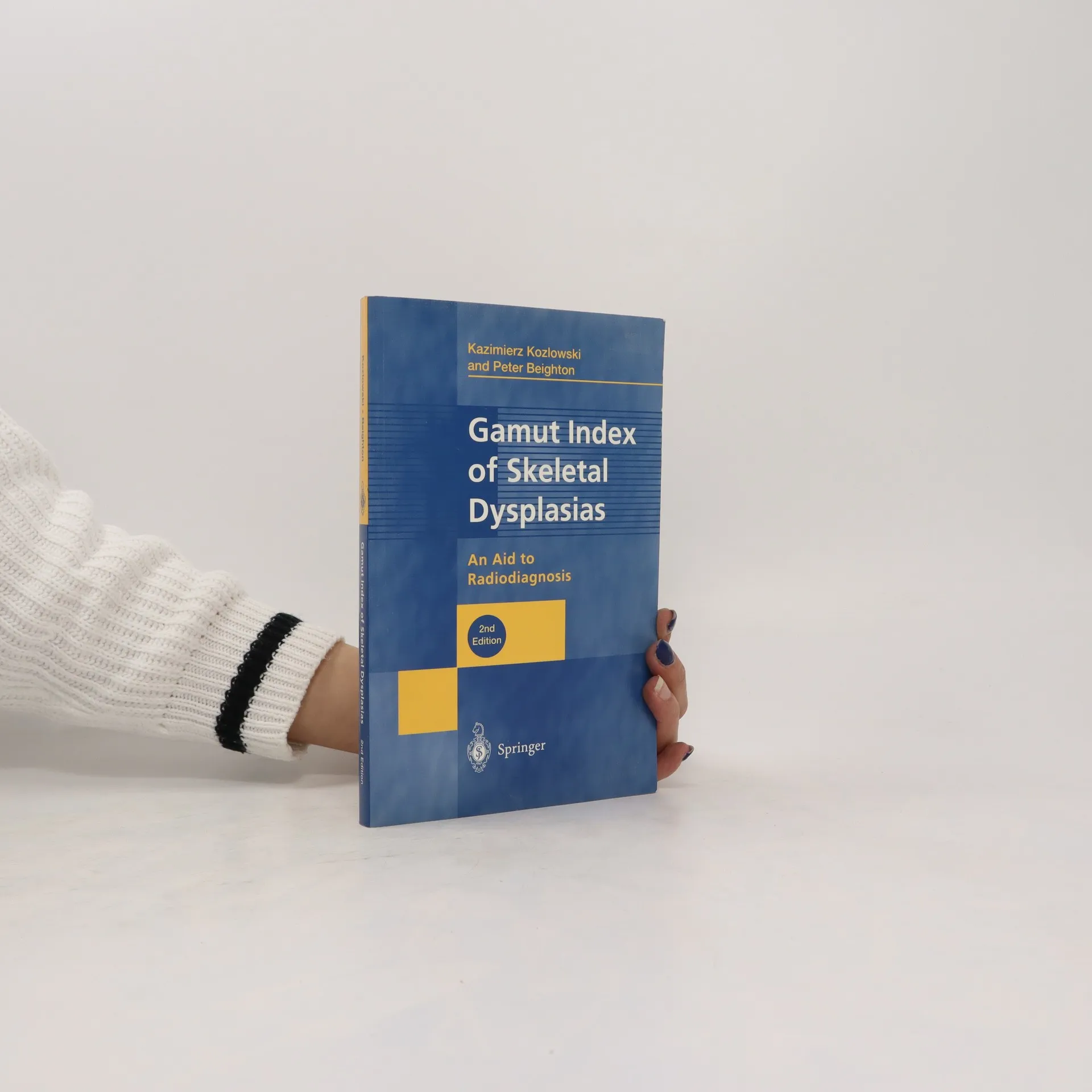


Gamut index of skeletal dysplasias
Authors
Parameters
More about the book
The first edition of this book offered a valuable guide through the complexities of skeletal dysplasia terminology and diagnosis. Over the past decade, numerous syndromes have been identified, terminology has evolved, and the aetiology of various conditions has been clarified. The terminology in this edition is aligned with the 1992 revision of the International Nomenclature, which is increasingly recognized in global literature, reducing previous confusion from varying usages. Readers will discover more than simple lists; abnormalities are meticulously categorized to facilitate logical exploration. The entries encompass several non-dysplastic conditions relevant to differential diagnosis, along with brief notes that assist in navigating challenging areas. These thoughtful features stem from extensive expertise in clinical contexts, distinguishing the content from computer databases. Additionally, the book includes summaries of dysplasias and syndromes, covering all conditions listed in the International Nomenclature and providing insights for confirming or ruling out diagnoses, along with suggestions for further reading. This new edition is poised to enhance the popularity of its predecessor significantly.
Book purchase
Gamut index of skeletal dysplasias, Kazimierz Kozłowski
- Language

- Released
- 1995
- Binding
- (Paperback)
Payment methods
No one has rated yet.
- Title
- Gamut index of skeletal dysplasias
- Language
- German
- Authors
- Kazimierz Kozłowski
- Publisher
- Springer
- Released
- 1995
- Format
- Paperback
- ISBN10
- 3540199411
- ISBN13
- 9783540199410
- Series
- Categories
- Description
- The first edition of this book offered a valuable guide through the complexities of skeletal dysplasia terminology and diagnosis. Over the past decade, numerous syndromes have been identified, terminology has evolved, and the aetiology of various conditions has been clarified. The terminology in this edition is aligned with the 1992 revision of the International Nomenclature, which is increasingly recognized in global literature, reducing previous confusion from varying usages. Readers will discover more than simple lists; abnormalities are meticulously categorized to facilitate logical exploration. The entries encompass several non-dysplastic conditions relevant to differential diagnosis, along with brief notes that assist in navigating challenging areas. These thoughtful features stem from extensive expertise in clinical contexts, distinguishing the content from computer databases. Additionally, the book includes summaries of dysplasias and syndromes, covering all conditions listed in the International Nomenclature and providing insights for confirming or ruling out diagnoses, along with suggestions for further reading. This new edition is poised to enhance the popularity of its predecessor significantly.