

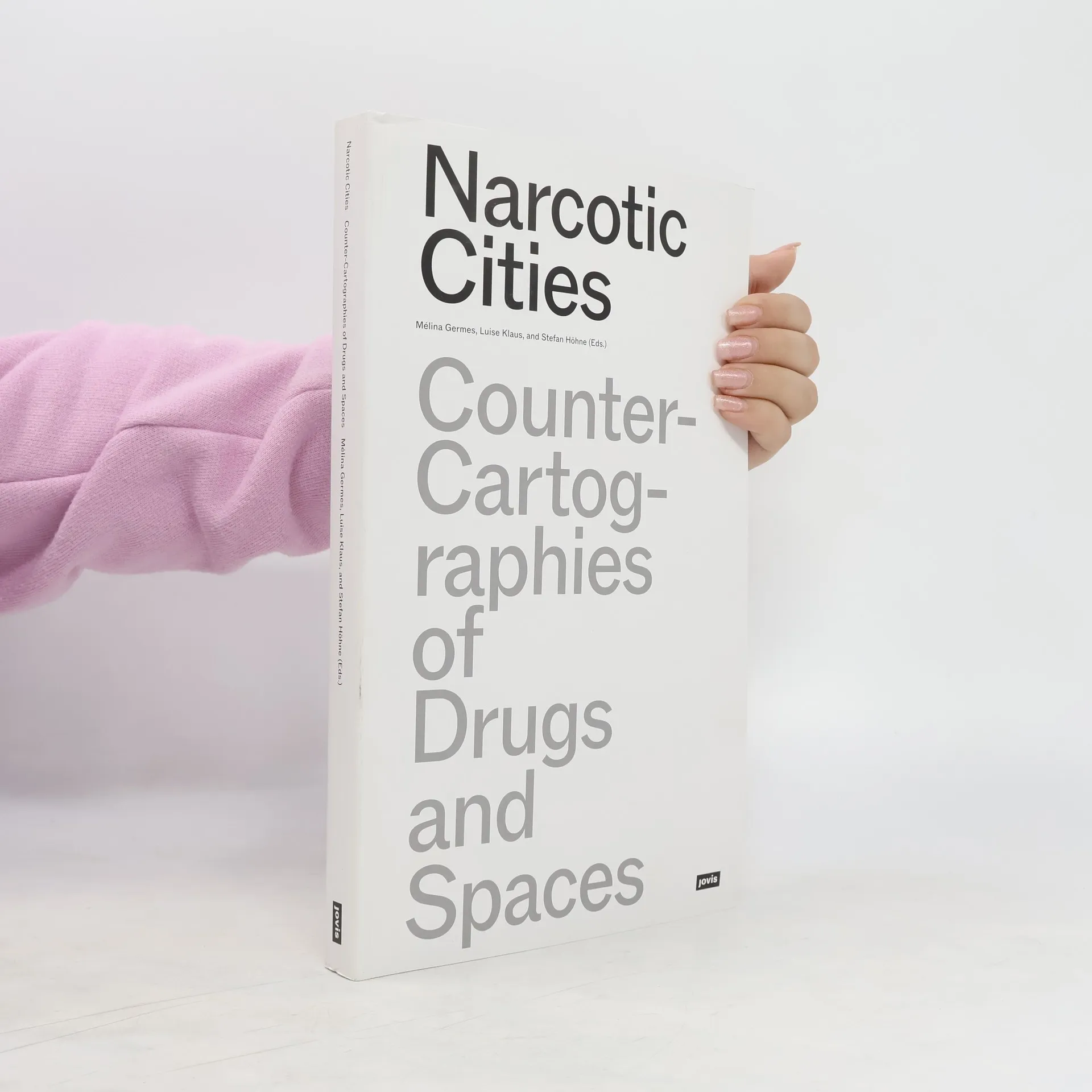

Narcotic Cities
Counter-Cartographies of Drugs and Spaces
Authors
More about the book
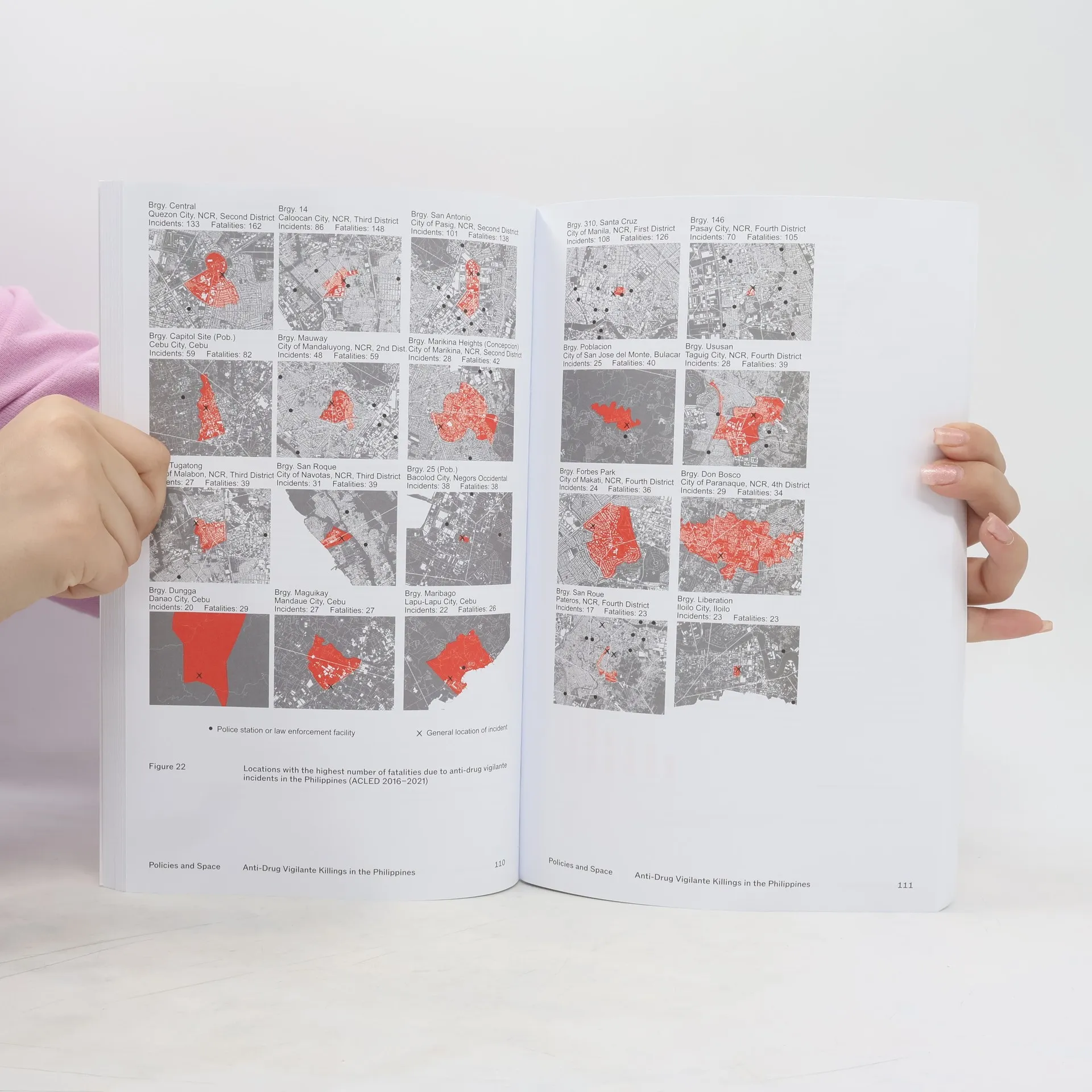
With debates about the decriminalization of drugs on the rise, an exploration of drug maps is long overdue. Narcotic Cities traces the complex entanglements of drugs, institutions, activities, and the way they are represented with spaces and places, shedding new light on our cities. Through the medium of graphic essays, this book explores urban stories, as well as the histories, policies, communities, digital spaces, and pleasures associated with drugs, gathering together more than forty contributors working with Geographic Information Systems, hand drawings, satellite images, and memories. By experimenting with different graphic languages, this volume assembles a rich mosaic of multi-scalar urban perspectives on drugs, sharing little-known knowledge as well as reflections on the pitfalls, omissions, and failures of drug cartographies.
Book purchase
Narcotic Cities, Herausgeber
- Language

- Released
- 2023
- Binding
- (Paperback)
Payment methods
No one has rated yet.
- Title
- Narcotic Cities
- Subtitle
- Counter-Cartographies of Drugs and Spaces
- Language
- English
- Authors
- Herausgeber
- Publisher
- jovis
- Released
- 2023
- Format
- Paperback
- Pages
- 320
- ISBN10
- 3986120009
- ISBN13
- 9783986120009
- Series
- Tags
- Architecture
- Description
- With debates about the decriminalization of drugs on the rise, an exploration of drug maps is long overdue. Narcotic Cities traces the complex entanglements of drugs, institutions, activities, and the way they are represented with spaces and places, shedding new light on our cities. Through the medium of graphic essays, this book explores urban stories, as well as the histories, policies, communities, digital spaces, and pleasures associated with drugs, gathering together more than forty contributors working with Geographic Information Systems, hand drawings, satellite images, and memories. By experimenting with different graphic languages, this volume assembles a rich mosaic of multi-scalar urban perspectives on drugs, sharing little-known knowledge as well as reflections on the pitfalls, omissions, and failures of drug cartographies.