

Christus Hoffnung der Welt, Wien
Authors
Parameters
More about the book
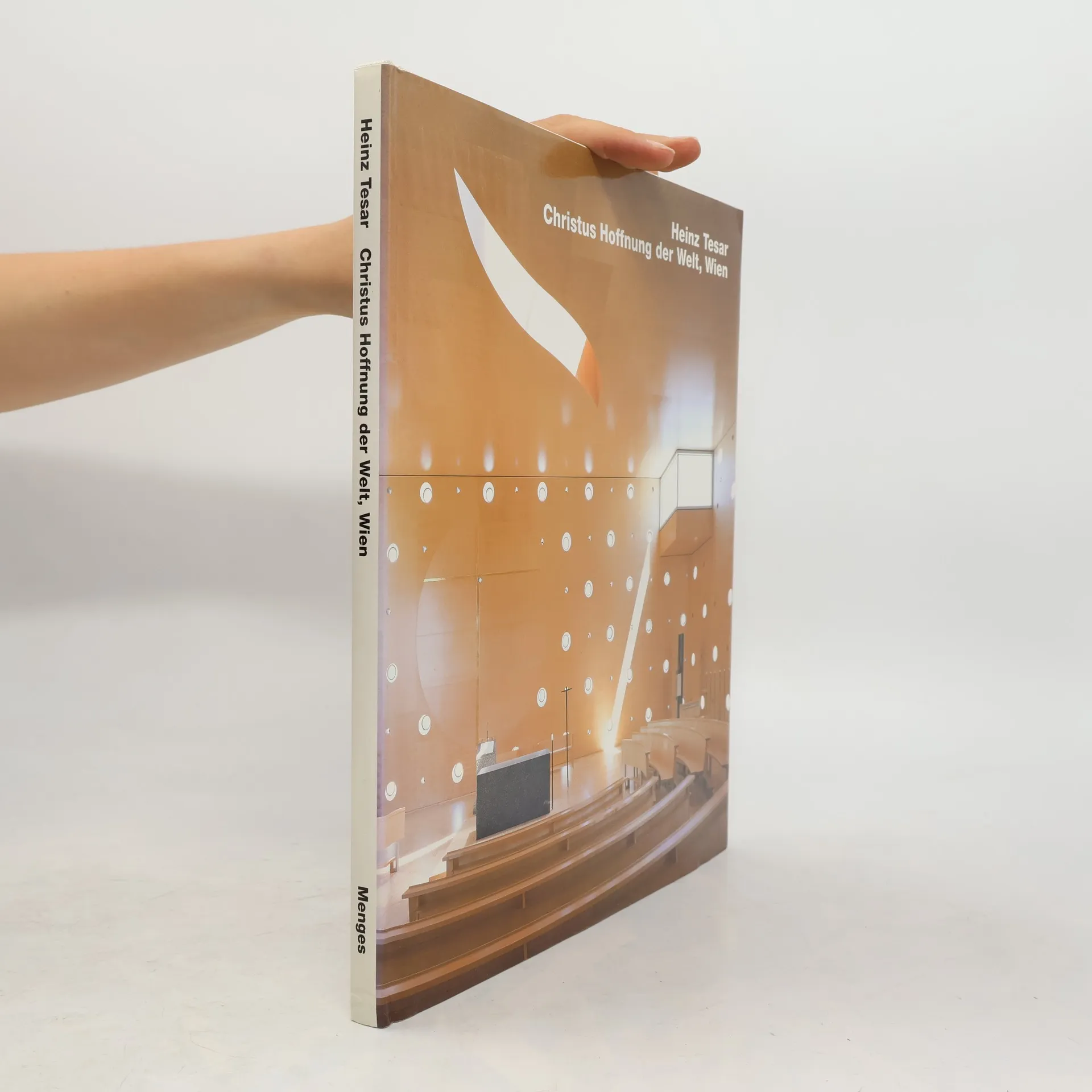
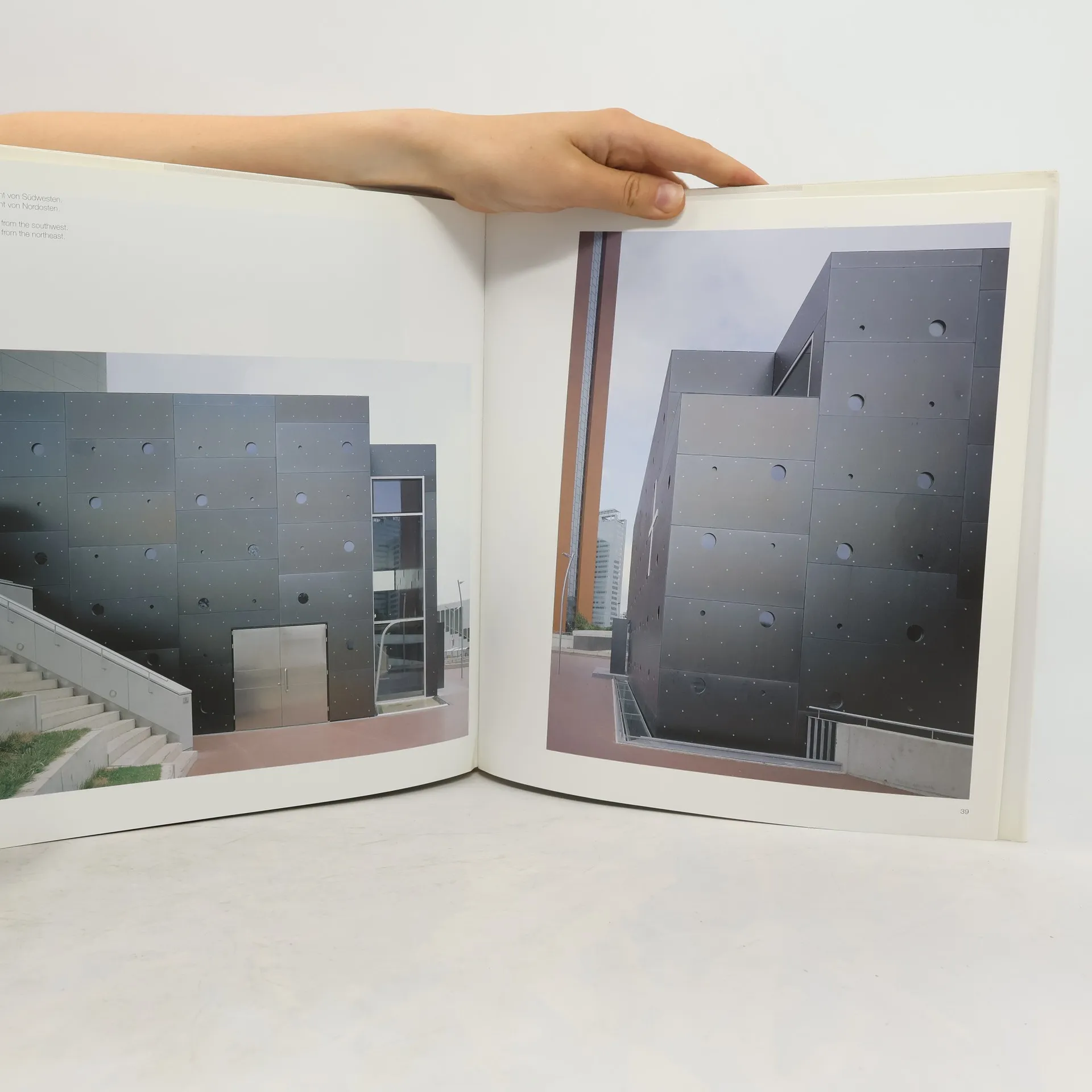
The church serves as a spiritual center for Donau City, not as a grand temple but as a miniature oasis, embodying the concept of a 'quiet power' in urban life. Its exterior presents a stark appearance: a hard cube clad in black chromium steel, which, upon closer inspection, reveals a friendly quality through reflective surfaces and intricate details like drill-holes and circular apertures that emit light at night. Large, rectangular windows soften the building’s closed demeanor. Inside, the starkness transforms into a light-filled space accessed through a thoughtfully designed entrance. The interior features birch wood, lively yet peaceful seating arrangements in circular segments around a dark syenite altar, and a variety of circular light sources that enhance the transparency of the space. This church continues a modern architectural tradition, linking past works from notable architects like Rudolf Schwarz and Egon Eiermann to contemporary designs. The narrative is enriched by the contributions of Immo Boyken, an architectural historian, and Christian Richters, a prominent architectural photographer, both of whom highlight the significance of this innovative structure within the context of modern church architecture.
Book purchase
Christus Hoffnung der Welt, Wien, Heinz Tesar
- Language

- Released
- 2002
- Binding
- (Hardcover)
Payment methods
No one has rated yet.
- Title
- Christus Hoffnung der Welt, Wien
- Language
- English
- Authors
- Heinz Tesar
- Publisher
- Ed. Menges
- Released
- 2002
- Format
- Hardcover
- ISBN10
- 3930698420
- ISBN13
- 9783930698424
- Series
- Tags
- Architecture
- Description
- The church serves as a spiritual center for Donau City, not as a grand temple but as a miniature oasis, embodying the concept of a 'quiet power' in urban life. Its exterior presents a stark appearance: a hard cube clad in black chromium steel, which, upon closer inspection, reveals a friendly quality through reflective surfaces and intricate details like drill-holes and circular apertures that emit light at night. Large, rectangular windows soften the building’s closed demeanor. Inside, the starkness transforms into a light-filled space accessed through a thoughtfully designed entrance. The interior features birch wood, lively yet peaceful seating arrangements in circular segments around a dark syenite altar, and a variety of circular light sources that enhance the transparency of the space. This church continues a modern architectural tradition, linking past works from notable architects like Rudolf Schwarz and Egon Eiermann to contemporary designs. The narrative is enriched by the contributions of Immo Boyken, an architectural historian, and Christian Richters, a prominent architectural photographer, both of whom highlight the significance of this innovative structure within the context of modern church architecture.