



More about the book
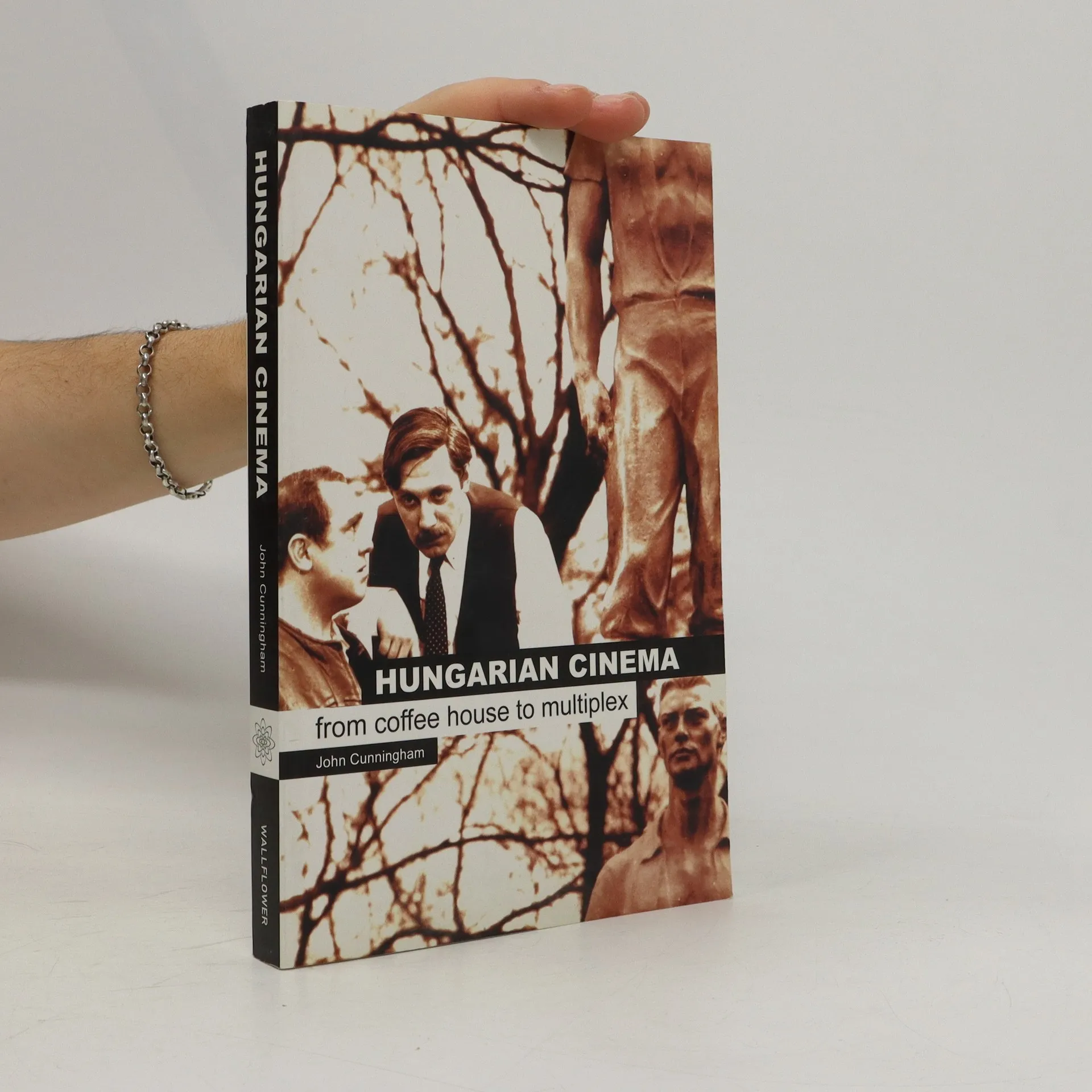
Hungarian cinema has often been forced to tread a precarious and difficult path. Through the failed 1919 revolution to the defeat of the 1956 Uprising and its aftermath, Hungarian film-makers and their audiences have had to contend with a multiplicity of problems. In the 1960s, however, Hungary entered into a period of relative stability and increasing cultural relaxation, resulting in an astonishing growth of film-making. Innovative and groundbreaking directors such as Miklós Jancsó ( Hungarian Rhapsody , The Red and the White ), István Szabó ( Mephisto , Sunshine ) and Márta Mészaros ( Little The Last Diary ) emerged and established the reputation of Hungarian films on a global basis. This is the first book to discuss all major aspects of Hungarian cinema, including avant-garde, animation, and representations of the Gypsy and Jewish minorities.
Book purchase
Hungarian Cinema, John Cunningham
- Language

- Released
- 2004
- Binding
- (Paperback)
Payment methods
We’re missing your review here.
- Title
- Hungarian Cinema
- Language
- English
- Authors
- John Cunningham
- Publisher
- Wallflower Press
- Released
- 2004
- Format
- Paperback
- Pages
- 272
- ISBN10
- 1903364795
- ISBN13
- 9781903364796
- Series
- Categories
- Rating
- 3.35 out of 5
- Description
- Hungarian cinema has often been forced to tread a precarious and difficult path. Through the failed 1919 revolution to the defeat of the 1956 Uprising and its aftermath, Hungarian film-makers and their audiences have had to contend with a multiplicity of problems. In the 1960s, however, Hungary entered into a period of relative stability and increasing cultural relaxation, resulting in an astonishing growth of film-making. Innovative and groundbreaking directors such as Miklós Jancsó ( Hungarian Rhapsody , The Red and the White ), István Szabó ( Mephisto , Sunshine ) and Márta Mészaros ( Little The Last Diary ) emerged and established the reputation of Hungarian films on a global basis. This is the first book to discuss all major aspects of Hungarian cinema, including avant-garde, animation, and representations of the Gypsy and Jewish minorities.