

More about the book
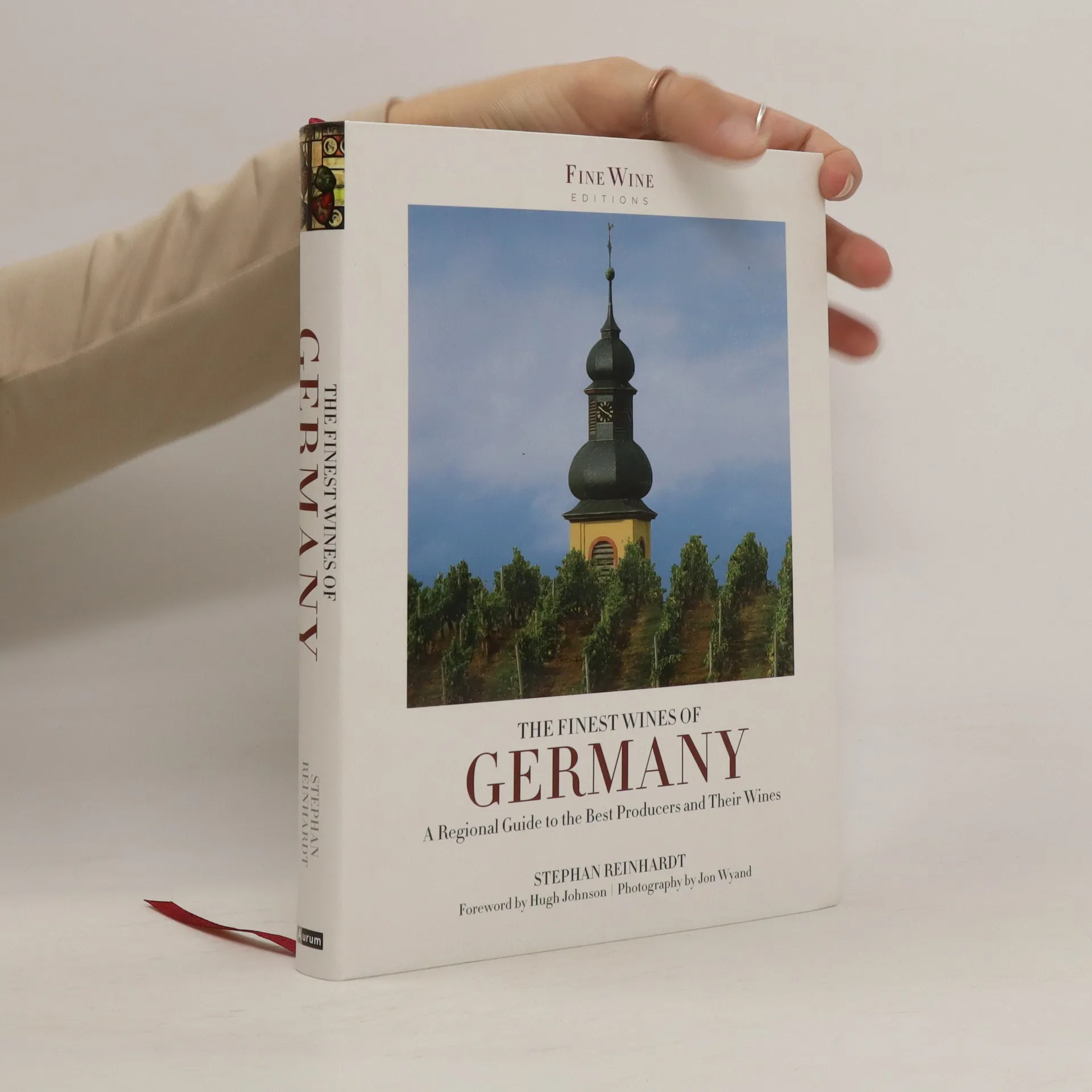
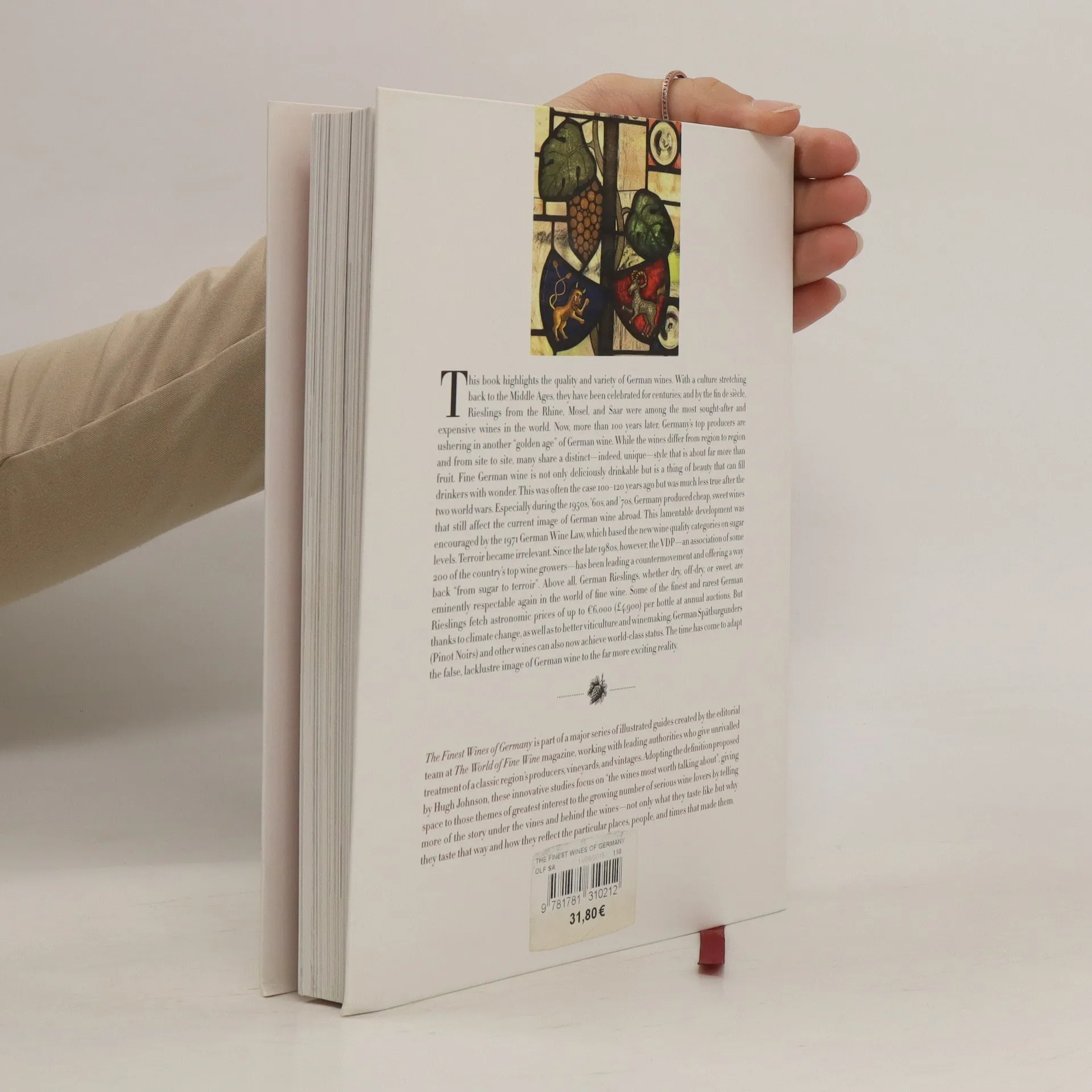
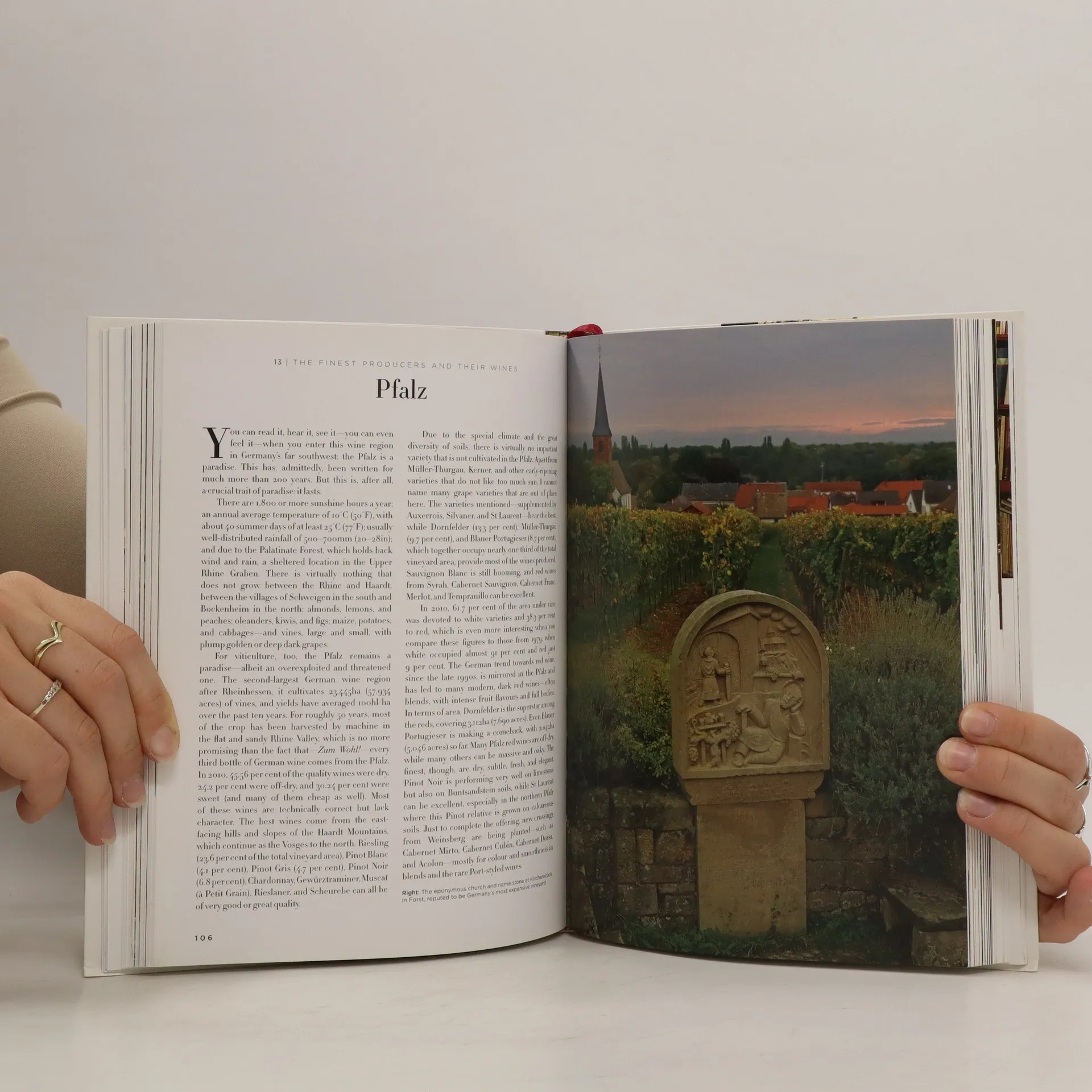
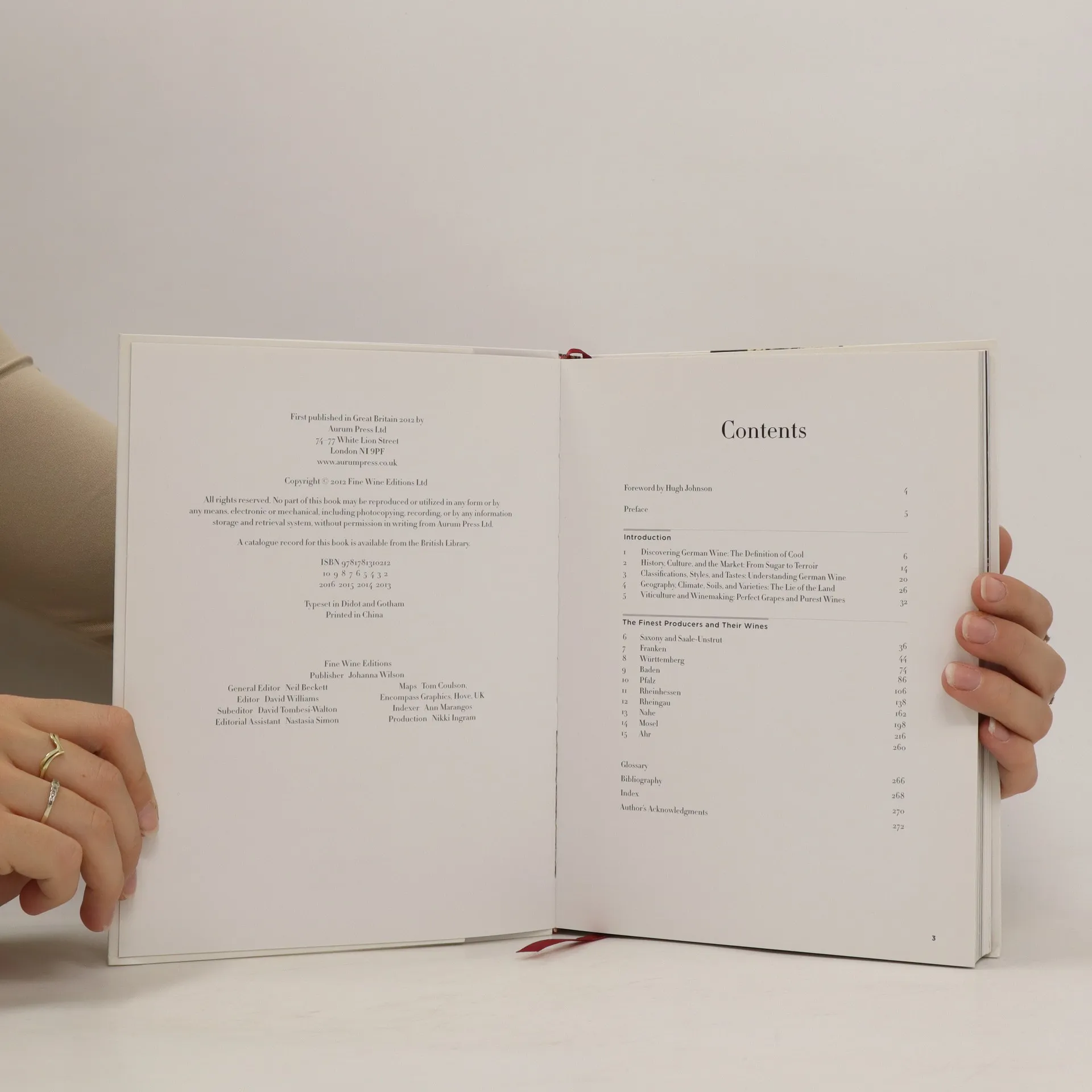
Focusing on one of the twenty-first century’s most exciting and innovative wine producing regions, this edition covers the most majestic of Rieslings, lesser-known varieties of Silvanor, Pinot Blanc, Pinot Gris and upcoming classics such as Pinot Noir – hailed as the new ‘Red Riesling’. With a history and wine culture dating back to the Middle Ages, German wine once had a reputation for subtlety and quality; Rieslings from the Rhine, Mosel and Saar were among the most sought-after and expensive wines in the world. However, throughout the World Wars, a perception of German wine as being ‘cheap and sweet’ emerged – a development encouraged by the 1971 German Wine Law, which based wine categories on sugar levels. Now 100 years since the last Golden Age of German Wine, a new era of rejuvenation, innovation and variety has dawned. The author looks in depth at topics including: climate and soil, the new generation of wine growers, developments in German drinking culture, as well as considering grape varieties and viticulture. The book concludes with a profile of the most noteworthy producing regions, vineyards and a list of classic vintages.
Book purchase
Finest Wines of Germany, Stephen Reinhardt
- Language

- Released
- 2012
- Binding
- (Hardcover)
Payment methods
We’re missing your review here.
- Title
- Finest Wines of Germany
- Language
- English
- Authors
- Stephen Reinhardt
- Publisher
- Aurum
- Released
- 2012
- Format
- Hardcover
- Pages
- 272
- ISBN10
- 1781310211
- ISBN13
- 9781781310212
- Series
- Categories
- Rating
- 3.5 out of 5
- Description
- Focusing on one of the twenty-first century’s most exciting and innovative wine producing regions, this edition covers the most majestic of Rieslings, lesser-known varieties of Silvanor, Pinot Blanc, Pinot Gris and upcoming classics such as Pinot Noir – hailed as the new ‘Red Riesling’. With a history and wine culture dating back to the Middle Ages, German wine once had a reputation for subtlety and quality; Rieslings from the Rhine, Mosel and Saar were among the most sought-after and expensive wines in the world. However, throughout the World Wars, a perception of German wine as being ‘cheap and sweet’ emerged – a development encouraged by the 1971 German Wine Law, which based wine categories on sugar levels. Now 100 years since the last Golden Age of German Wine, a new era of rejuvenation, innovation and variety has dawned. The author looks in depth at topics including: climate and soil, the new generation of wine growers, developments in German drinking culture, as well as considering grape varieties and viticulture. The book concludes with a profile of the most noteworthy producing regions, vineyards and a list of classic vintages.