




More about the book
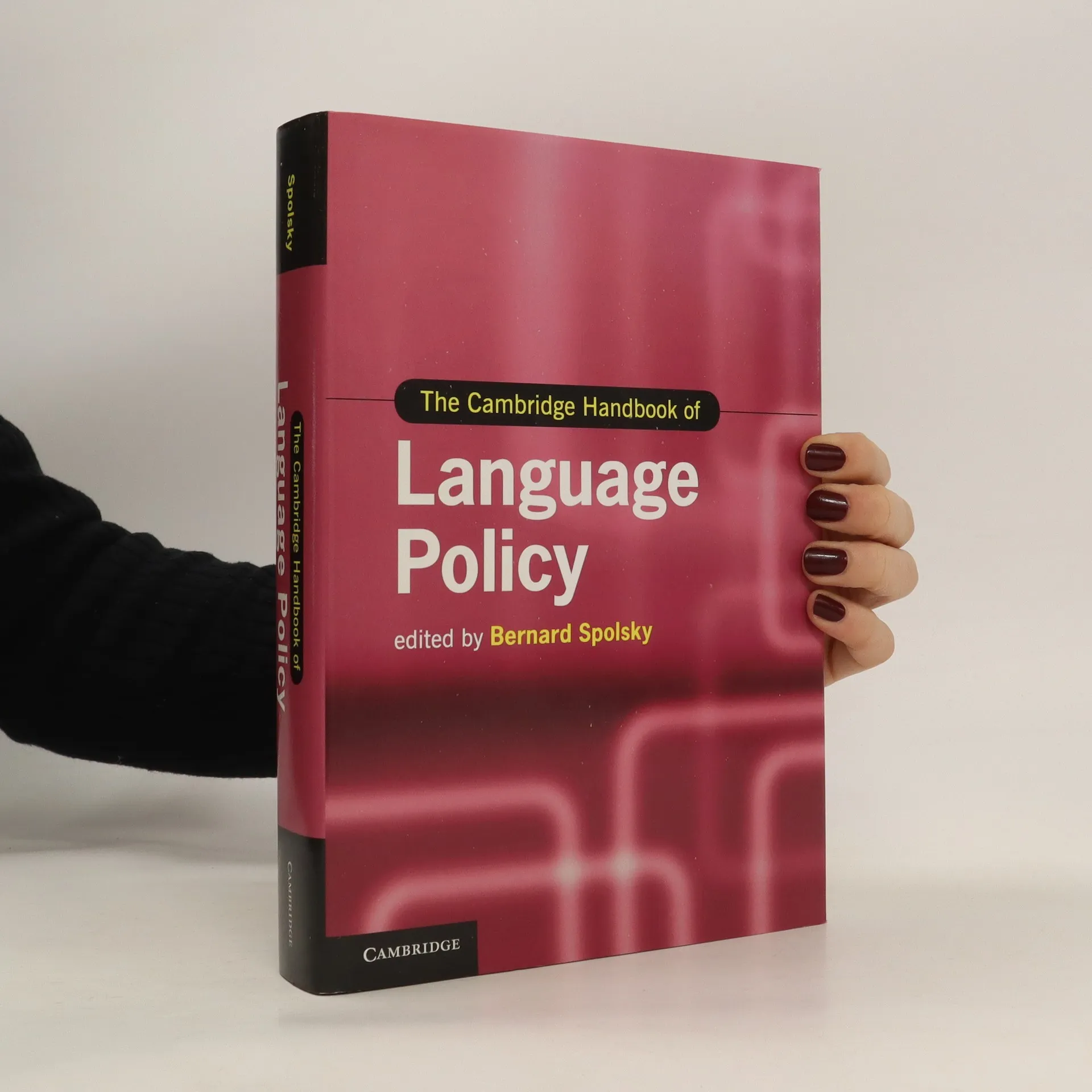
Over the last 50 years, language policy has developed into a major discipline, drawing on research and practice in many nations and at many levels. This is the first Handbook to deal with language policy as a whole and is a complete 'state-of-the-field' survey, covering language practices, beliefs about language varieties, and methods and agencies for language management. It provides a historical background which traces the development of classical language planning, describes activities associated with indigenous and endangered languages, and contains chapters on imperialism, colonialism, effects of migration and globalization, and educational policy. It also evaluates language management agencies, analyzes language activism and looks at language cultivation (including reform of writing systems, orthography and modernized terminology). The definitive guide to the subject, it will be welcomed by students, researchers and language professionals in linguistics, education and politics.
Book purchase
The Cambridge Handbook of Language Policy, Bernard Spolsky
- Language

- Released
- 2012
- Binding
- (Hardcover)
Payment methods
No one has rated yet.
- Title
- The Cambridge Handbook of Language Policy
- Language
- English
- Authors
- Bernard Spolsky
- Publisher
- Cambridge University Press
- Released
- 2012
- Format
- Hardcover
- Pages
- 738
- ISBN10
- 0521195659
- ISBN13
- 9780521195652
- Categories
- Tags
- Linguistics
- Description
- Over the last 50 years, language policy has developed into a major discipline, drawing on research and practice in many nations and at many levels. This is the first Handbook to deal with language policy as a whole and is a complete 'state-of-the-field' survey, covering language practices, beliefs about language varieties, and methods and agencies for language management. It provides a historical background which traces the development of classical language planning, describes activities associated with indigenous and endangered languages, and contains chapters on imperialism, colonialism, effects of migration and globalization, and educational policy. It also evaluates language management agencies, analyzes language activism and looks at language cultivation (including reform of writing systems, orthography and modernized terminology). The definitive guide to the subject, it will be welcomed by students, researchers and language professionals in linguistics, education and politics.