


More about the book
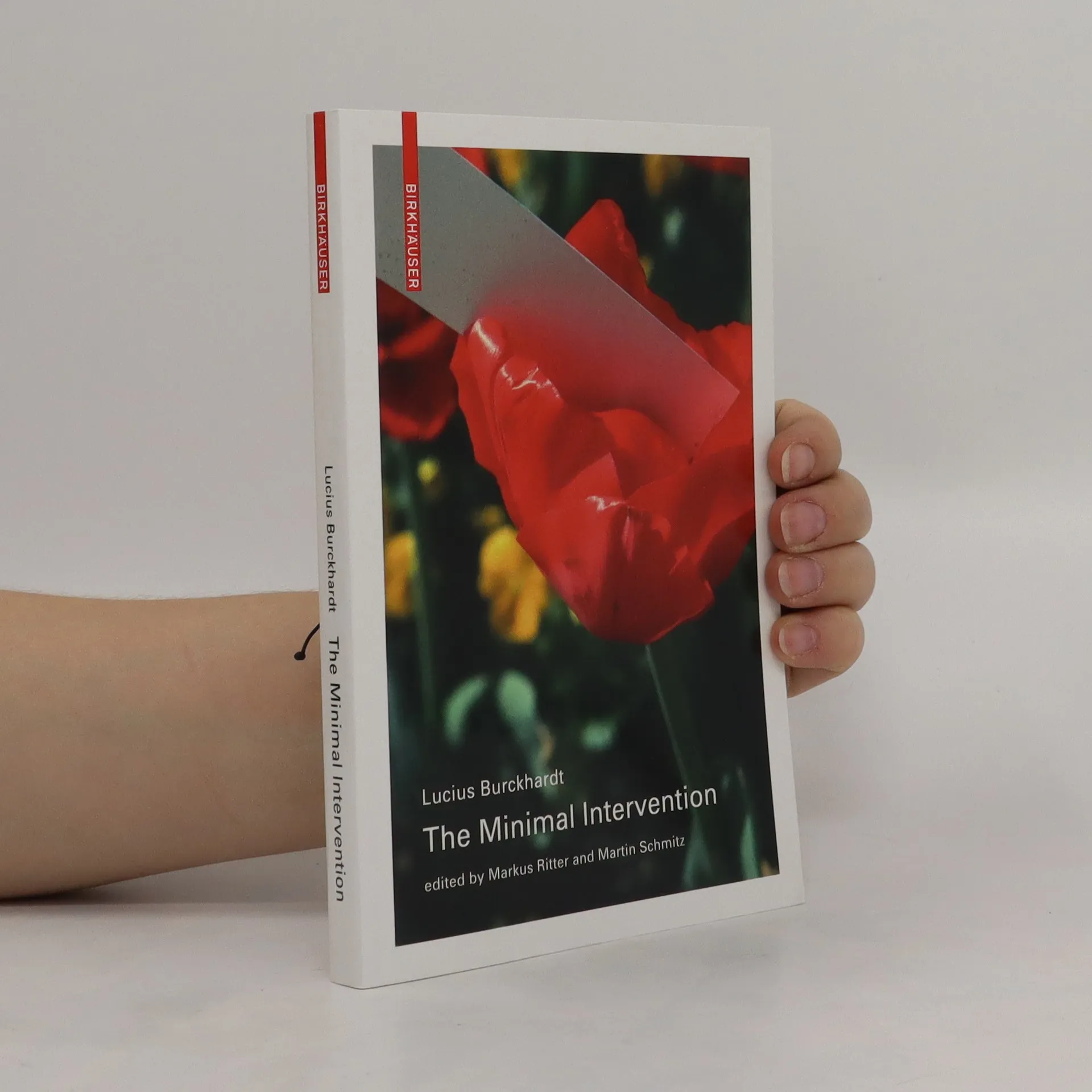
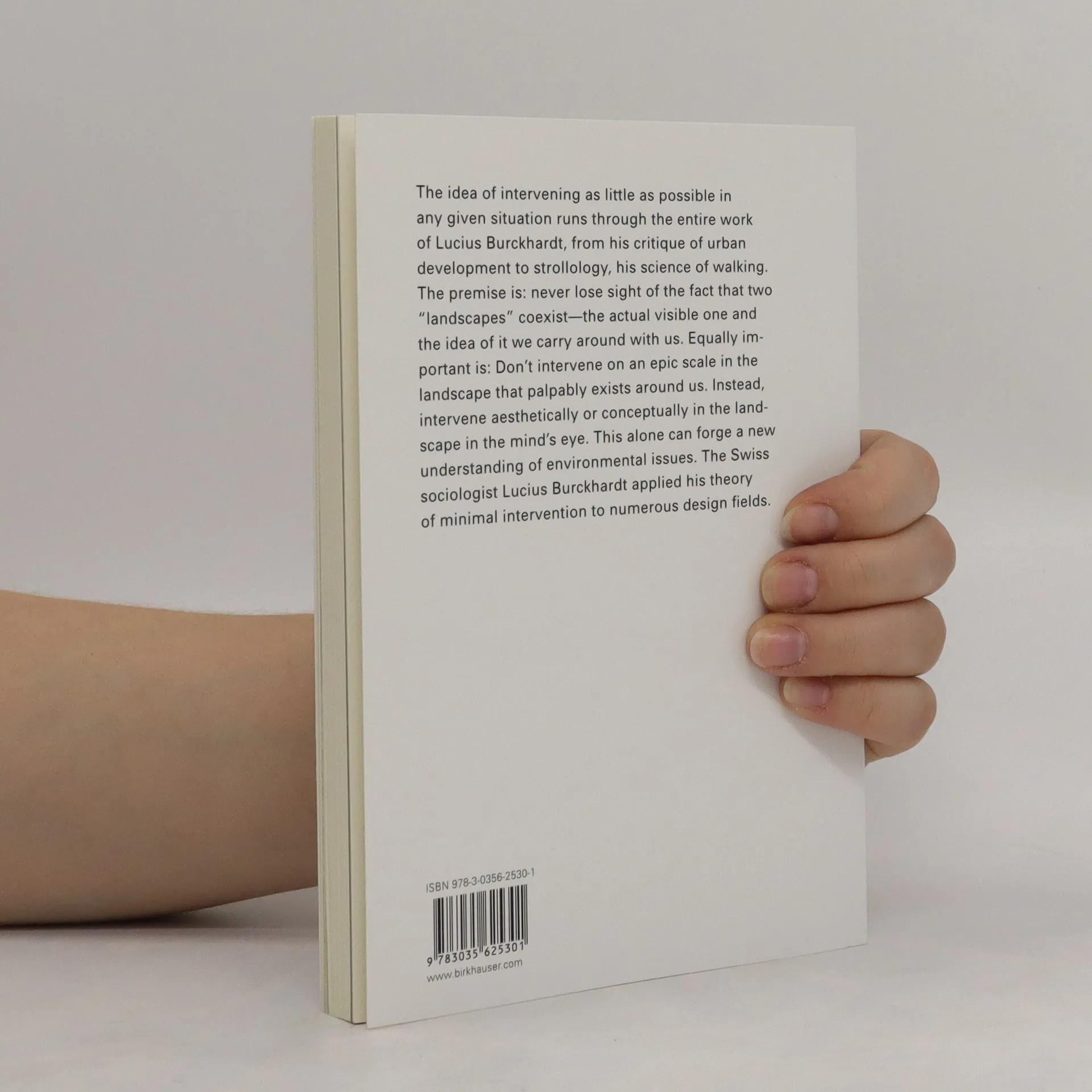
The mind’s eye as a design principle Lucius Burckhardt (1925–2003) outlined his theory of the “smallest possible intervention” back in the early 1980s. The idea of minimal intervention runs through his entire oeuvre, from his critique of urbanism to the science of walking. The “smallest possible intervention” denotes a planning theory that assumes two “views” within landscape design: that which is actually visible and that in our mind’s eye. The theory of the minimal intervention means not interfering excessively with the existing landscape, but instead working with the landscape in our minds to develop an aesthetic understanding of the environment. In this book, available for the first time in English, the Swiss sociologist applies this formula to many areas of design. Intellectual distillation of Lucius Burckhardt’s theories available for the first time in English Exploration of the relationships between planning and building Rationalization and needs
Book purchase
The Minimal Intervention, Lucius Burckhardt
- Language

- Released
- 2022
- Binding
- (Paperback)
Payment methods
We’re missing your review here.
- Title
- The Minimal Intervention
- Language
- English
- Authors
- Lucius Burckhardt
- Publisher
- Birkhäuser
- Released
- 2022
- Format
- Paperback
- Pages
- 192
- ISBN10
- 3035625301
- ISBN13
- 9783035625301
- Series
- Categories
- Tags
- Rating
- 4 out of 5
- Description
- The mind’s eye as a design principle Lucius Burckhardt (1925–2003) outlined his theory of the “smallest possible intervention” back in the early 1980s. The idea of minimal intervention runs through his entire oeuvre, from his critique of urbanism to the science of walking. The “smallest possible intervention” denotes a planning theory that assumes two “views” within landscape design: that which is actually visible and that in our mind’s eye. The theory of the minimal intervention means not interfering excessively with the existing landscape, but instead working with the landscape in our minds to develop an aesthetic understanding of the environment. In this book, available for the first time in English, the Swiss sociologist applies this formula to many areas of design. Intellectual distillation of Lucius Burckhardt’s theories available for the first time in English Exploration of the relationships between planning and building Rationalization and needs