


More about the book
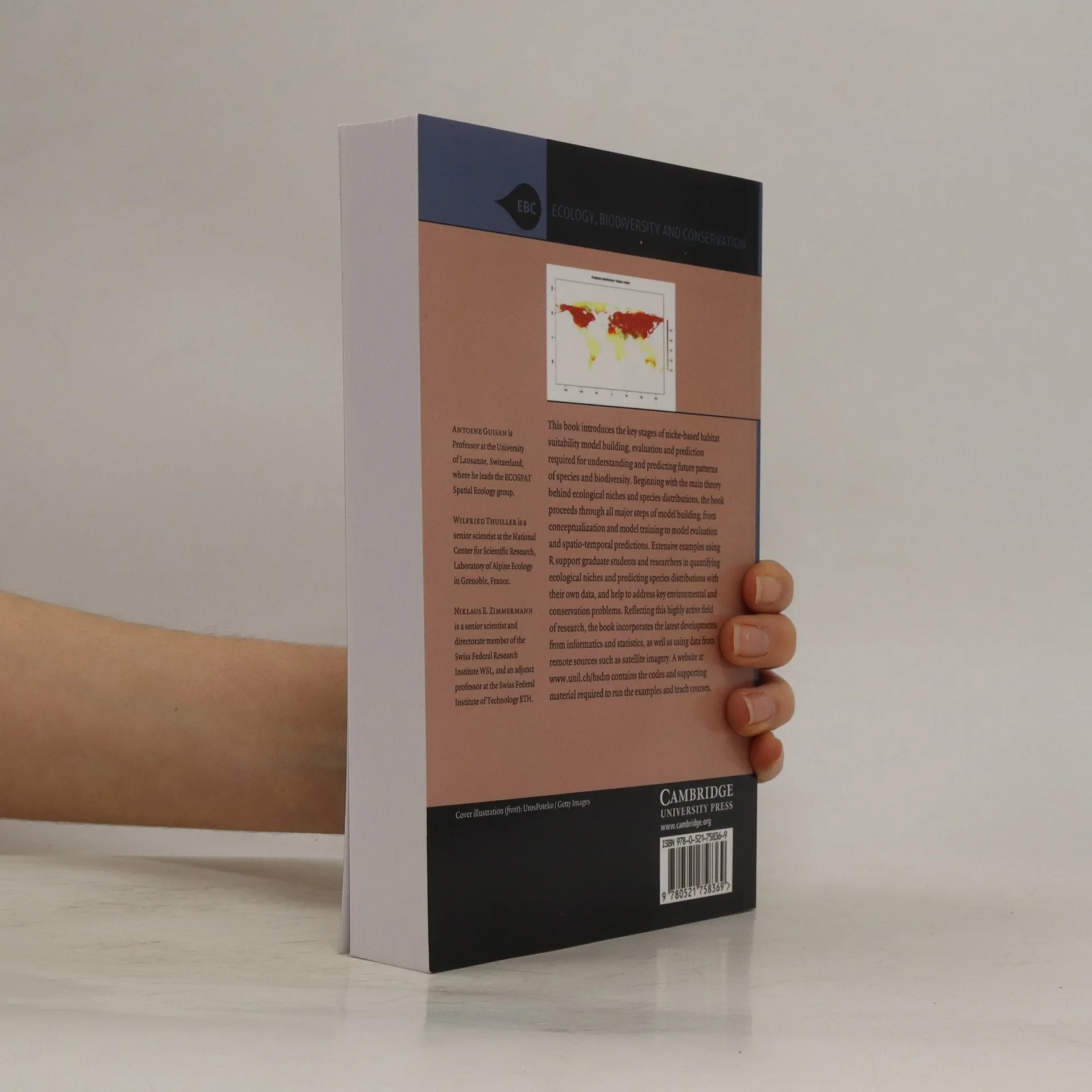
This book introduces the key stages of niche-based habitat suitability model building, evaluation and prediction required for understanding and predicting future patterns of species and biodiversity. Beginning with the main theory behind ecological niches and species distributions, the book proceeds through all major steps of model building, from conceptualization and model training to model evaluation and spatio-temporal predictions. Extensive examples using R support graduate students and researchers in quantifying ecological niches and predicting species distributions with their own data, and help to address key environmental and conservation problems. Reflecting this highly active field of research, the book incorporates the latest developments from informatics and statistics, as well as using data from remote sources such as satellite imagery.
Book purchase
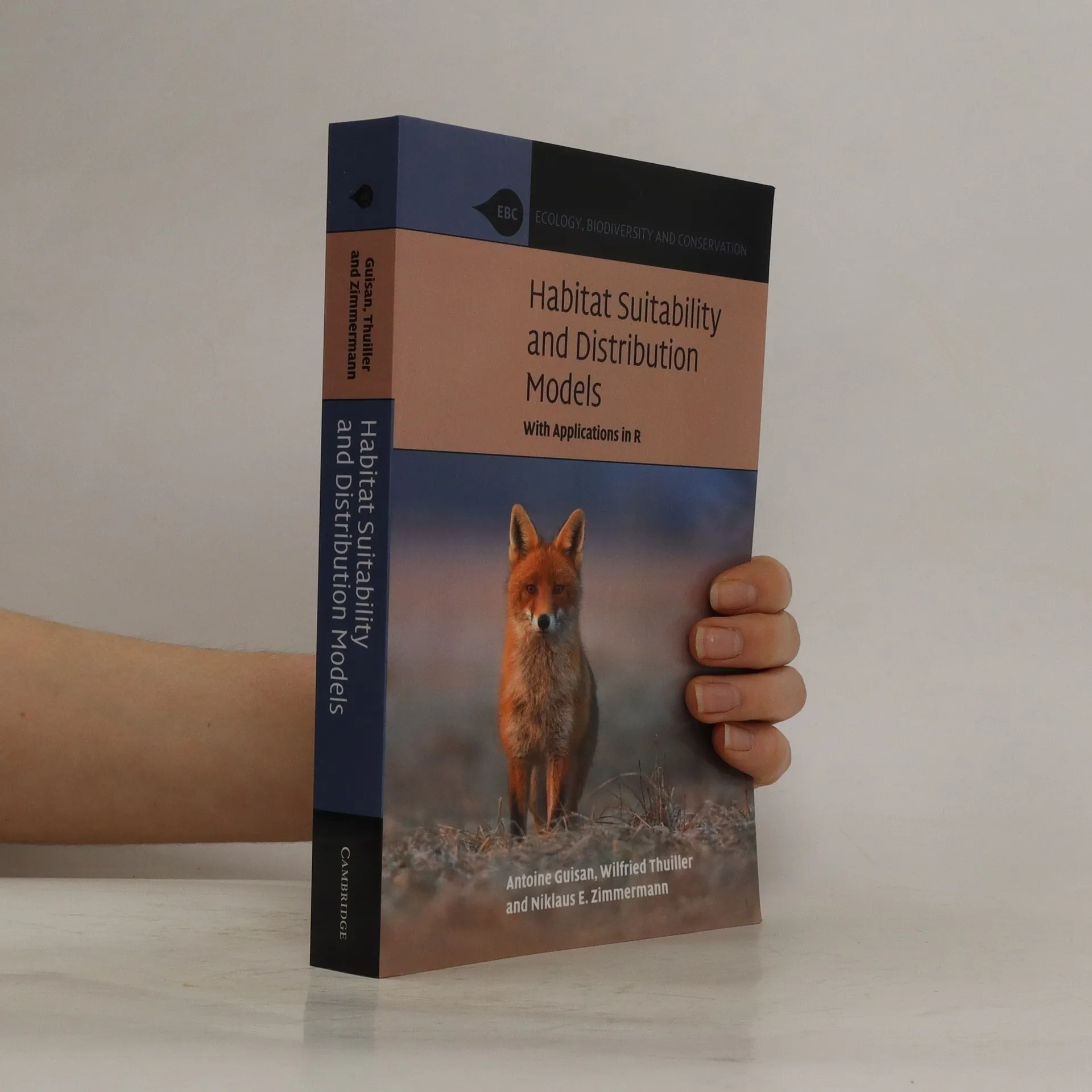
Habitat Suitability and Distribution Models, Niklaus E. Zimmermann, Antoine Guisan, Wilfried Thuiller
- Language

- Released
- 2017
- Binding
- (Paperback)
Payment methods
No one has rated yet.
- Title
- Habitat Suitability and Distribution Models
- Language
- English
- Publisher
- Cambridge University Press
- Released
- 2017
- Format
- Paperback
- Pages
- 514
- ISBN10
- 052175836X
- ISBN13
- 9780521758369
- Series
- Description
- This book introduces the key stages of niche-based habitat suitability model building, evaluation and prediction required for understanding and predicting future patterns of species and biodiversity. Beginning with the main theory behind ecological niches and species distributions, the book proceeds through all major steps of model building, from conceptualization and model training to model evaluation and spatio-temporal predictions. Extensive examples using R support graduate students and researchers in quantifying ecological niches and predicting species distributions with their own data, and help to address key environmental and conservation problems. Reflecting this highly active field of research, the book incorporates the latest developments from informatics and statistics, as well as using data from remote sources such as satellite imagery.