

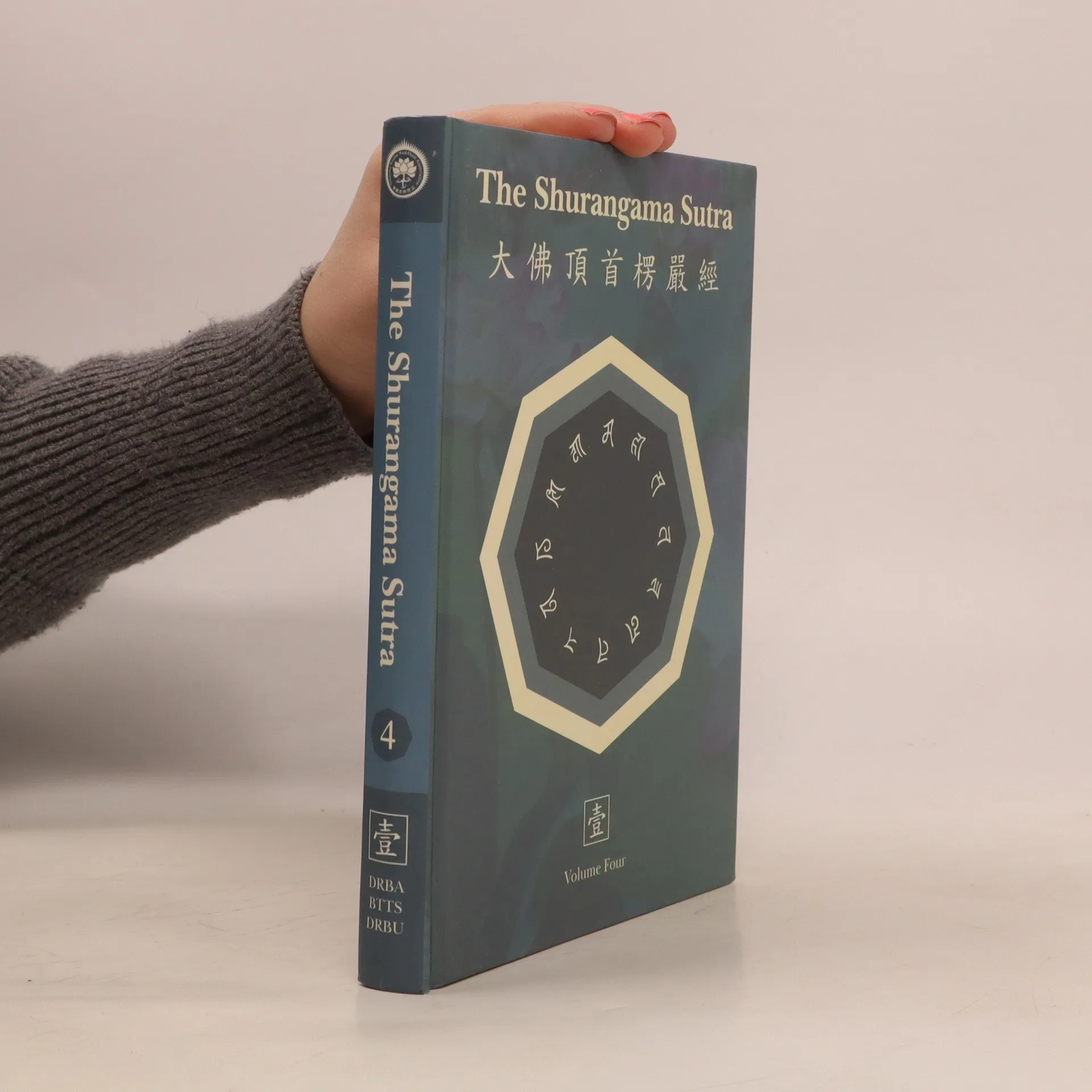
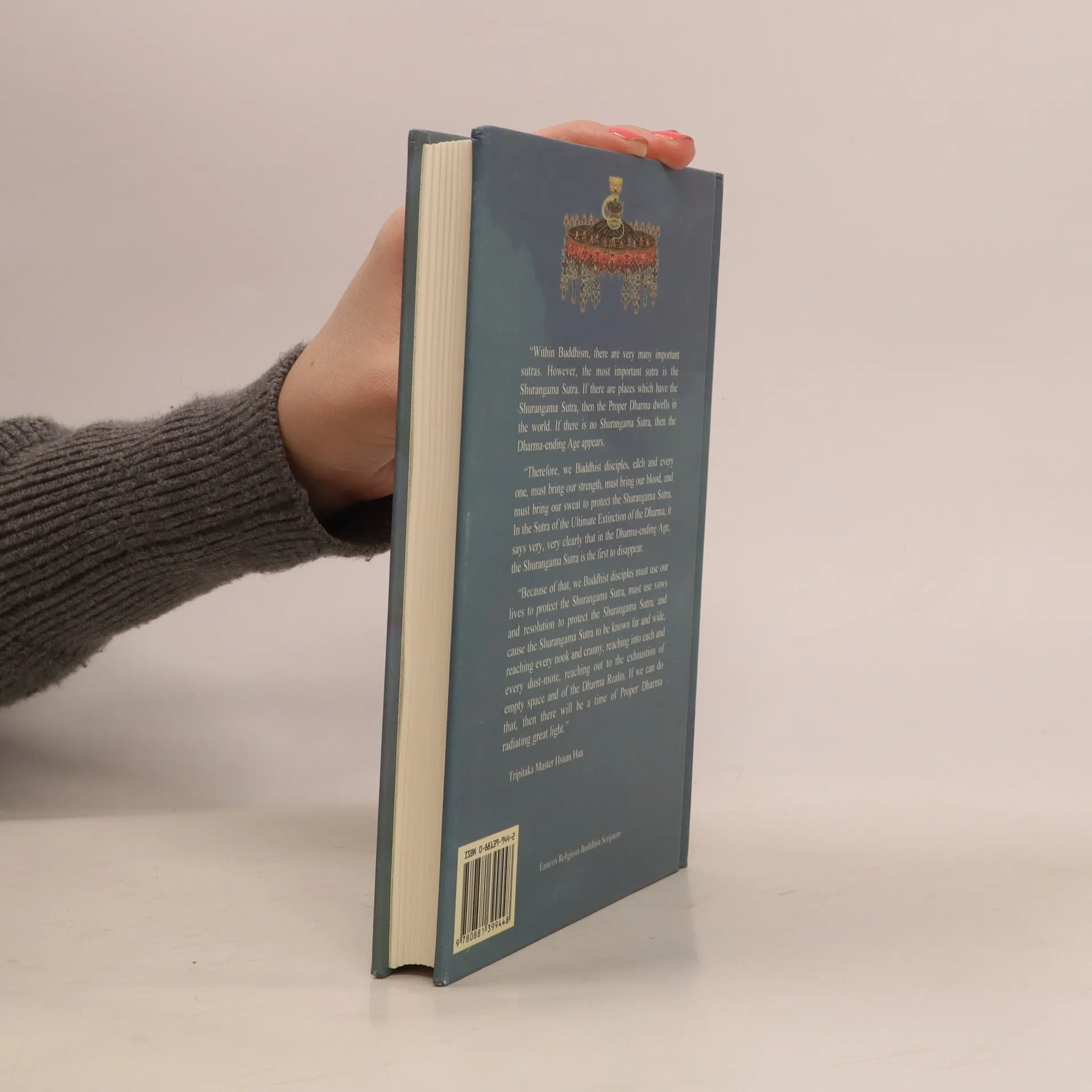

More about the book
This Sutra gives the most detailed explanation of the Buddha's teachings concerning the mind. It includes an analysis of where the mind is located, an explanation of the origin of the cosmos, a discussion of the specific workings of karma, a description of all the realms of existence, and an exposition on the fifty kinds of samadhi-concentrations, which, if we become attached to any of them, can delude us in our search for awakening. Also, in this Sutra, twenty-five enlightened sages explain the methods they used to become enlightened. The Buddha talks about the formation of the world, the coming into being of sentient creatures, and the cycle of karmic retribution. He then discusses the merits of the sense organs and demonstrates the application of these principles in meditation.
Book purchase
The Shurangama Sutra with Commentary, Hsüan Hua
- Language

- Released
- 2003
- Binding
- (Hardcover)
Payment methods
No one has rated yet.
- Title
- The Shurangama Sutra with Commentary
- Language
- English
- Authors
- Hsüan Hua
- Publisher
- Cambridge University Press
- Released
- 2003
- Format
- Hardcover
- Pages
- 273
- ISBN10
- 0881399442
- ISBN13
- 9780881399448
- Series
- Categories
- Tags
- Religious Topics
- Description
- This Sutra gives the most detailed explanation of the Buddha's teachings concerning the mind. It includes an analysis of where the mind is located, an explanation of the origin of the cosmos, a discussion of the specific workings of karma, a description of all the realms of existence, and an exposition on the fifty kinds of samadhi-concentrations, which, if we become attached to any of them, can delude us in our search for awakening. Also, in this Sutra, twenty-five enlightened sages explain the methods they used to become enlightened. The Buddha talks about the formation of the world, the coming into being of sentient creatures, and the cycle of karmic retribution. He then discusses the merits of the sense organs and demonstrates the application of these principles in meditation.