

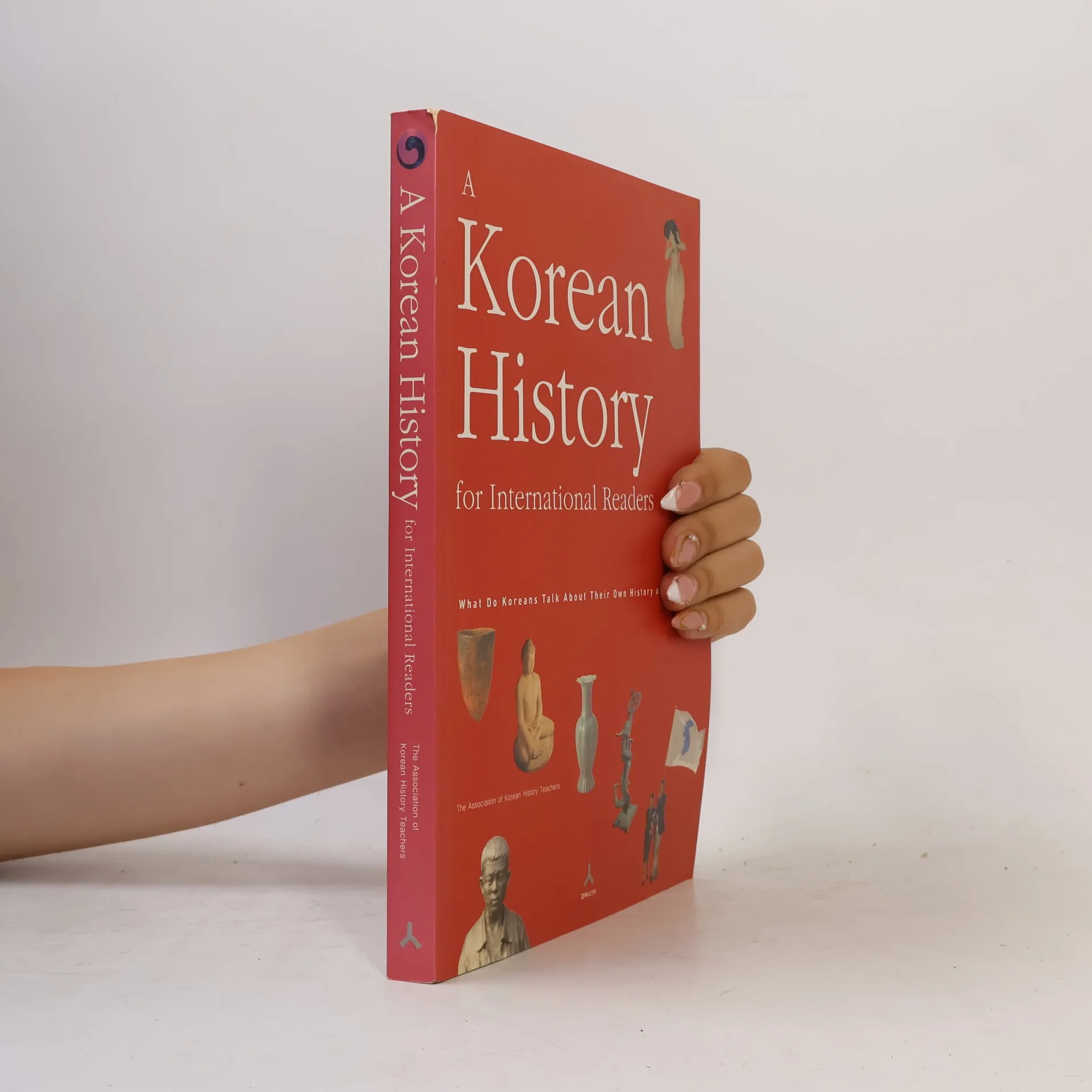
A Korean history for international readers. What do Koreans talk about their own history and culture
Authors
- Various authors
Book rating
More about the book
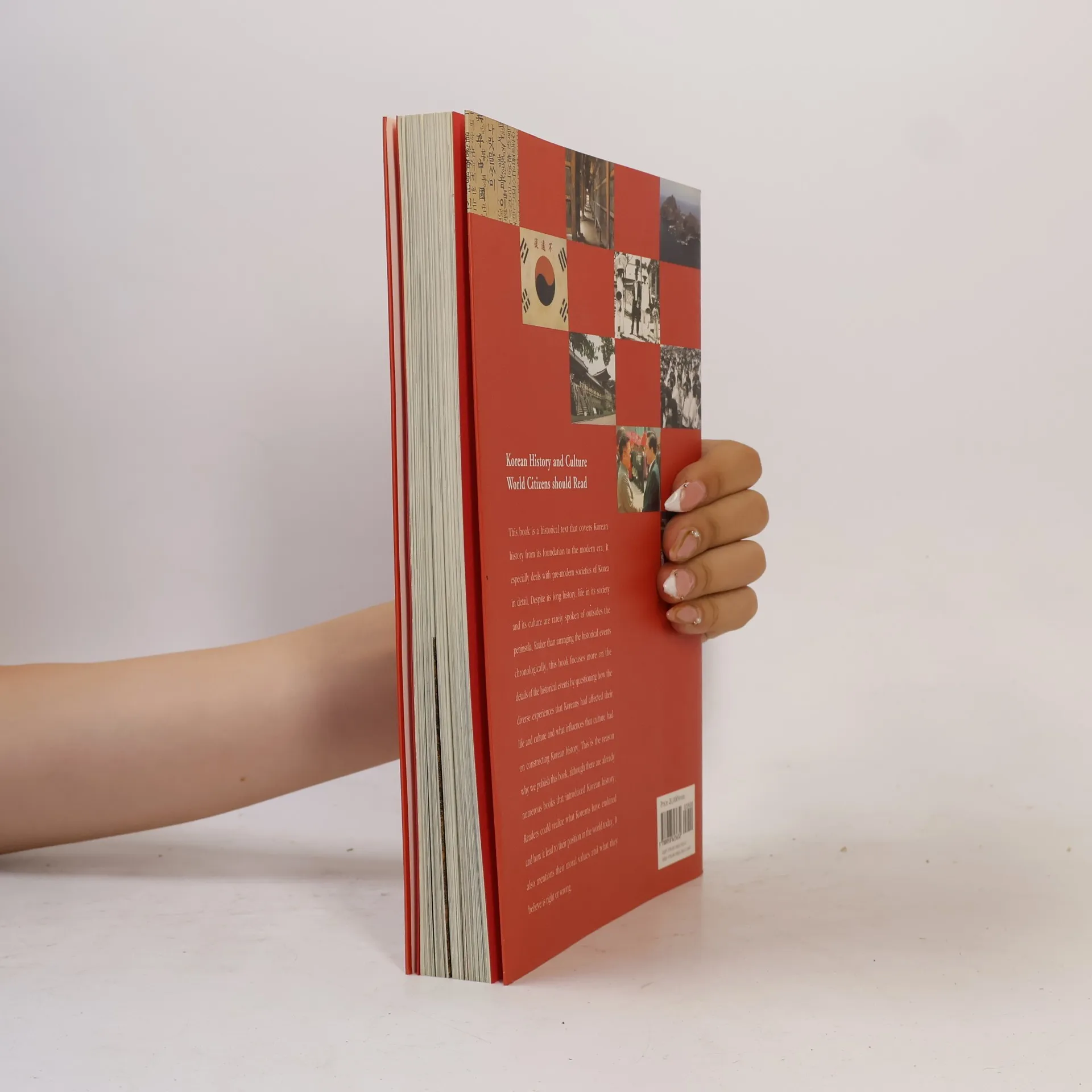
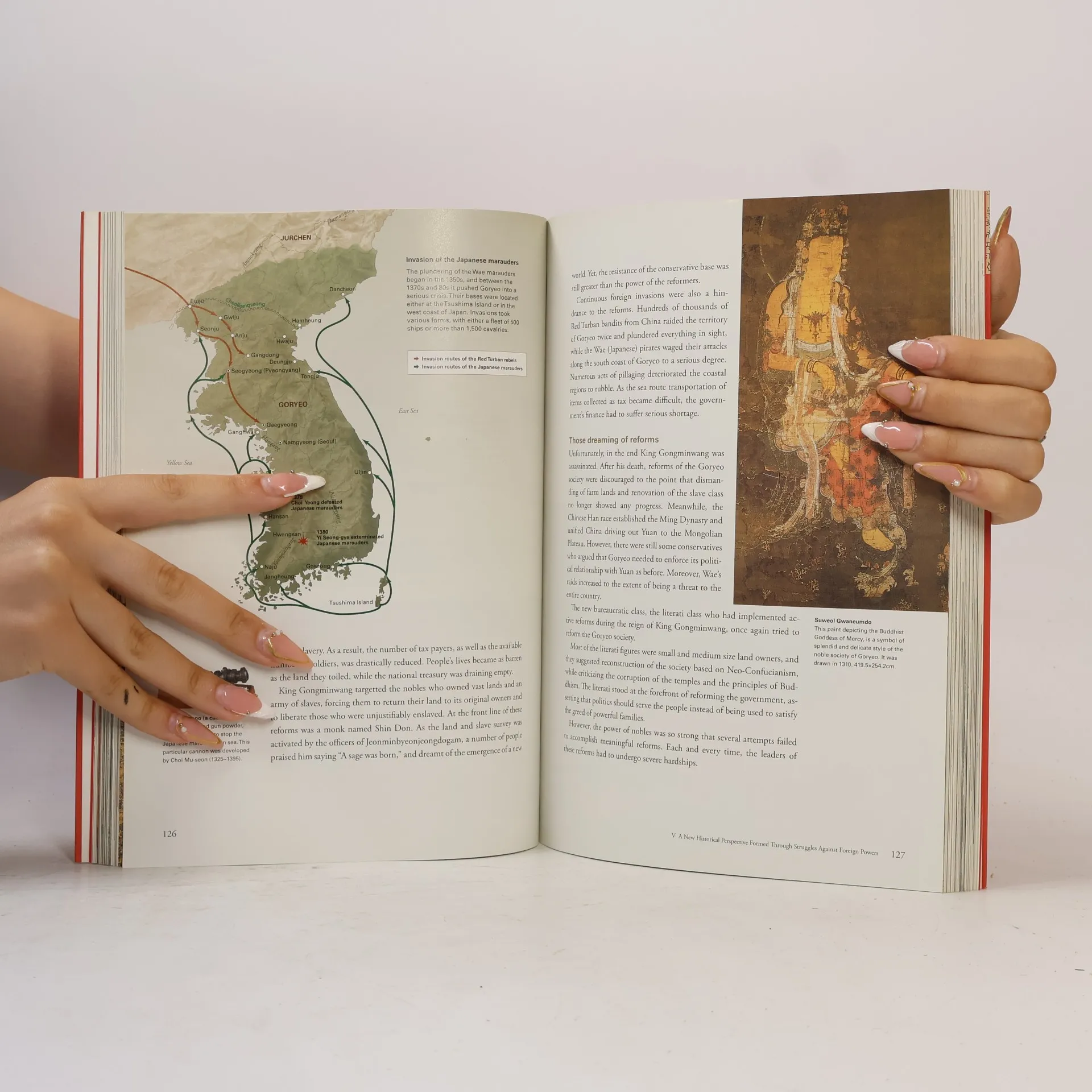
This book is a historical text that covers Korean history from its foundation to the modern era. It especially deals with pre-modern societies of Korea in detail. Despite its long history, life in its society and its culture are rarely spoken of outsides the peninsula. Rather than arranging the historical events chronologically, this book focuses more on the details of the historical events by questioning how the diverse experiences that Koreans had affected their life and culture and what influences that culture had on constructing Korean history. This is the reason why we publish this book, although there are already numerous books that introduced Korean history. Readers could realize what Koreans have endured and how it lead to their position in the world today. It also mentions their moral values and what they believe is right or wrong.
Book purchase
A Korean history for international readers. What do Koreans talk about their own history and culture, Various authors
- Language

- Released
- 2010
- Binding
- (Paperback)
Payment methods
We’re missing your review here.
- Title
- A Korean history for international readers. What do Koreans talk about their own history and culture
- Language
- English
- Authors
- Various authors
- Released
- 2010
- Format
- Paperback
- Pages
- 327
- ISBN10
- 8958623632
- ISBN13
- 9788958623632
- Series
- Categories
- Rating
- 3.85 out of 5
- Description
- This book is a historical text that covers Korean history from its foundation to the modern era. It especially deals with pre-modern societies of Korea in detail. Despite its long history, life in its society and its culture are rarely spoken of outsides the peninsula. Rather than arranging the historical events chronologically, this book focuses more on the details of the historical events by questioning how the diverse experiences that Koreans had affected their life and culture and what influences that culture had on constructing Korean history. This is the reason why we publish this book, although there are already numerous books that introduced Korean history. Readers could realize what Koreans have endured and how it lead to their position in the world today. It also mentions their moral values and what they believe is right or wrong.