



More about the book
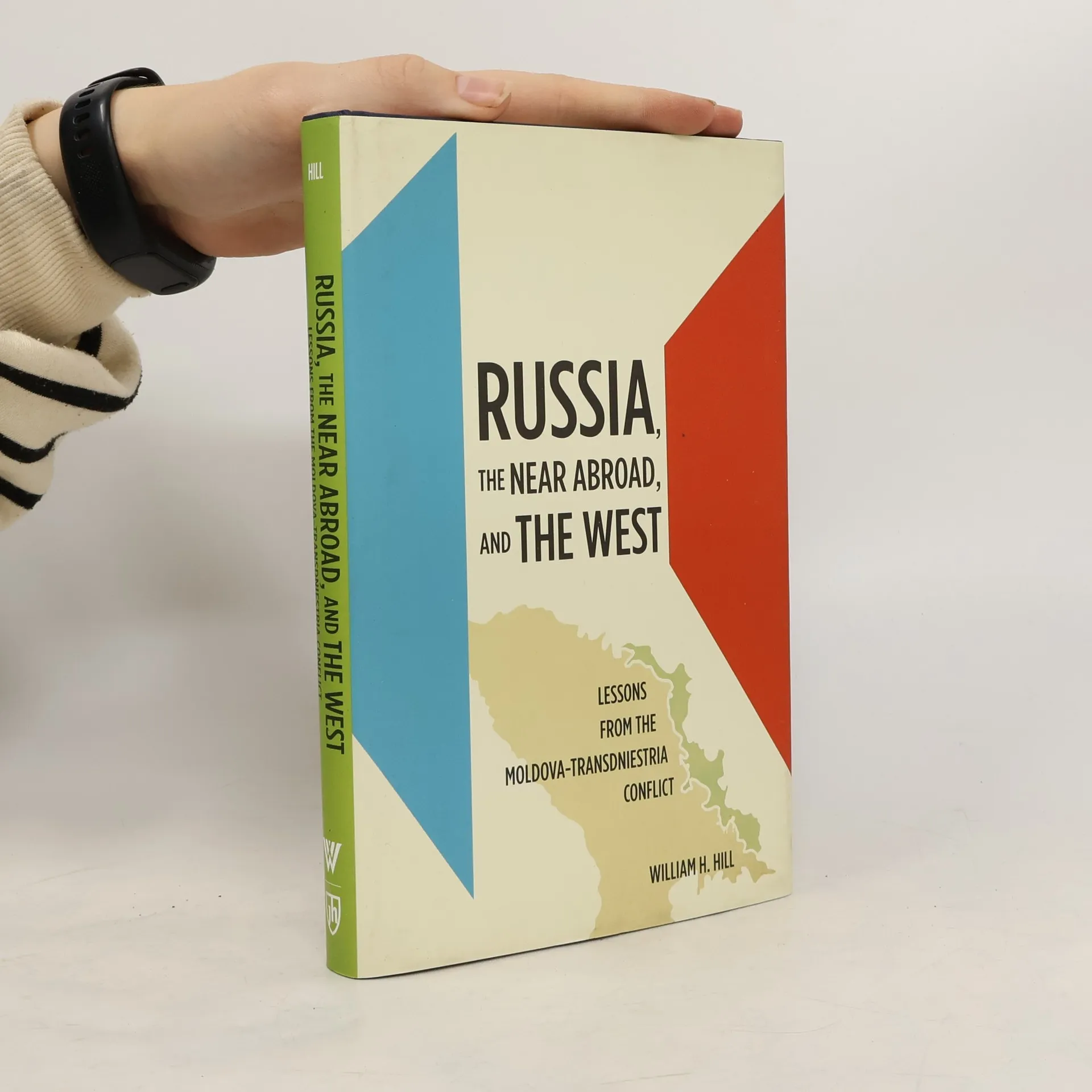
Post-communist Russia turned against the West in the 2000s, losing its earlier eagerness to collaborate with western Europe on economic and security matters and adopting a suspicious and defensive posture. This book, investigating a diplomatic negotiation involving Russia and the formerly Soviet Moldova, explains this dramatic shift in Russian foreign policy. William H. Hill, himself a participant in the diplomatic encounter, describes a key episode that contributed to Russia’s new negotiations over the Russian-leaning break-away territory of Transdniestria in Moldova―in which Moldova abandoned a Russian-supported settlement at the last minute under heavy pressure from the West. Hill’s first-hand account provides a unique perspective on historical events as well as information to assist scholars and policymakers to evaluate future scenarios. When western leaders blocked what they saw as an unworkable settlement in a small, remote post-Soviet state, Kremlin leaders perceived a direct geopolitical challenge on their own turf. This event colored Russia’s interpretations of subsequent western intervention in the region―in Georgia after the Rose Revolution, Ukraine in 2004, Kyrgyzstan, Uzbekistan, and elsewhere throughout the former Soviet empire.
Book purchase
Russia, the Near Abroad, and the West, William H Hill
- Language

- Released
- 2013
- Binding
- (Hardcover)
Payment methods
We’re missing your review here.
- Title
- Russia, the Near Abroad, and the West
- Language
- English
- Authors
- William H Hill
- Publisher
- Johns Hopkins University Press
- Released
- 2013
- Format
- Hardcover
- Pages
- 271
- ISBN10
- 1421405652
- ISBN13
- 9781421405650
- Series
- Categories
- Rating
- 4.65 out of 5
- Description
- Post-communist Russia turned against the West in the 2000s, losing its earlier eagerness to collaborate with western Europe on economic and security matters and adopting a suspicious and defensive posture. This book, investigating a diplomatic negotiation involving Russia and the formerly Soviet Moldova, explains this dramatic shift in Russian foreign policy. William H. Hill, himself a participant in the diplomatic encounter, describes a key episode that contributed to Russia’s new negotiations over the Russian-leaning break-away territory of Transdniestria in Moldova―in which Moldova abandoned a Russian-supported settlement at the last minute under heavy pressure from the West. Hill’s first-hand account provides a unique perspective on historical events as well as information to assist scholars and policymakers to evaluate future scenarios. When western leaders blocked what they saw as an unworkable settlement in a small, remote post-Soviet state, Kremlin leaders perceived a direct geopolitical challenge on their own turf. This event colored Russia’s interpretations of subsequent western intervention in the region―in Georgia after the Rose Revolution, Ukraine in 2004, Kyrgyzstan, Uzbekistan, and elsewhere throughout the former Soviet empire.