





More about the book
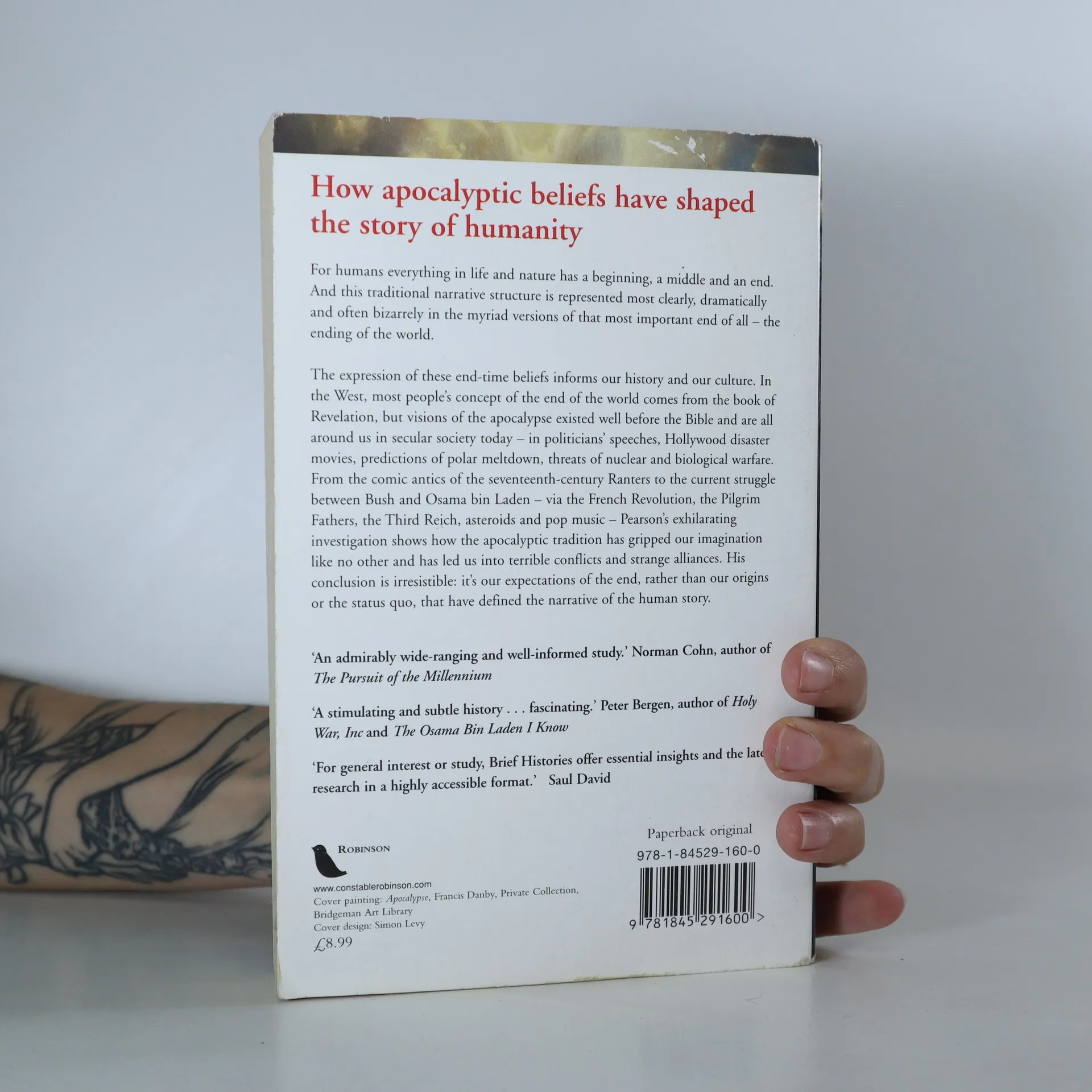
Most people's concept of the 'end of the world' comes from the book of Revelation. Today, there are an estimated 25 million Christian fundamentalists in the US who believe it will come with the 'Rapture;' others point to an ecological catastrophe, the AIDS pandemic, nuclear and biological warfare. With the benefit of a vast historical canvas, Pearson examines both apocalyptic theory (biblical literature, art, and popular culture) and practice (politics, cults, war, and revolution), from its Biblical beginnings to the Branch Davidians, via the Vikings, the French Revolution, the Pilgrim Fathers, Hitler's Apocalyptic rhetoric, asteroids, Hollywood and suicide bombers. Pearson's illuminating study shows how our pictures of the end of the world have evoked and converged--and are still very much on the agenda.
Book purchase
A Brief History of the End of the World, Simon Pearson
- Language

- Released
- 2006
- Binding
- (Paperback)
Payment methods
We’re missing your review here.
- Title
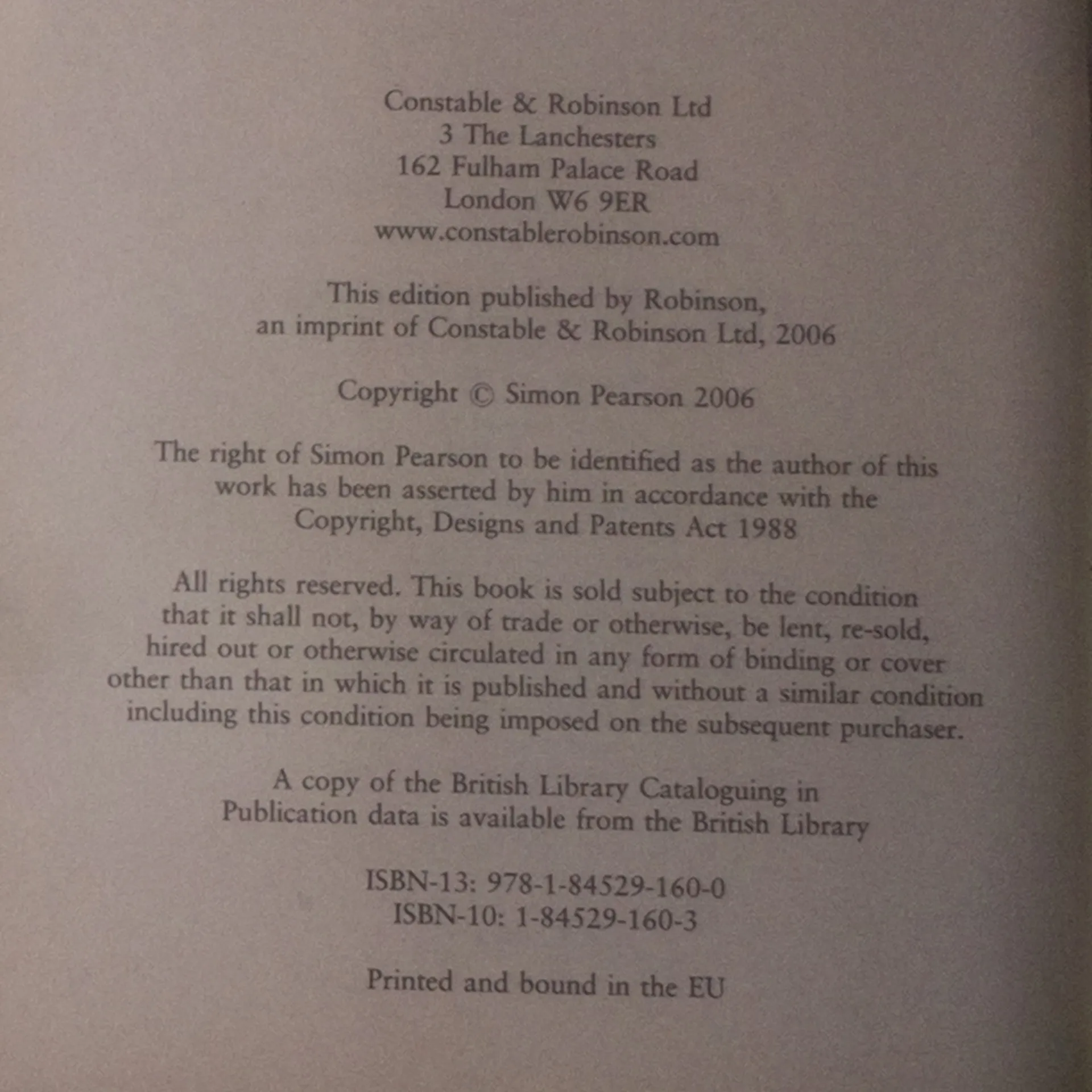
- A Brief History of the End of the World
- Language
- English
- Authors
- Simon Pearson
- Publisher
- Constable & Robinson
- Released
- 2006
- Format
- Paperback
- Pages
- 310
- ISBN10
- 1845291603
- ISBN13
- 9781845291600
- Series
- Rating
- 3.6 out of 5
- Description
- Most people's concept of the 'end of the world' comes from the book of Revelation. Today, there are an estimated 25 million Christian fundamentalists in the US who believe it will come with the 'Rapture;' others point to an ecological catastrophe, the AIDS pandemic, nuclear and biological warfare. With the benefit of a vast historical canvas, Pearson examines both apocalyptic theory (biblical literature, art, and popular culture) and practice (politics, cults, war, and revolution), from its Biblical beginnings to the Branch Davidians, via the Vikings, the French Revolution, the Pilgrim Fathers, Hitler's Apocalyptic rhetoric, asteroids, Hollywood and suicide bombers. Pearson's illuminating study shows how our pictures of the end of the world have evoked and converged--and are still very much on the agenda.