

More about the book
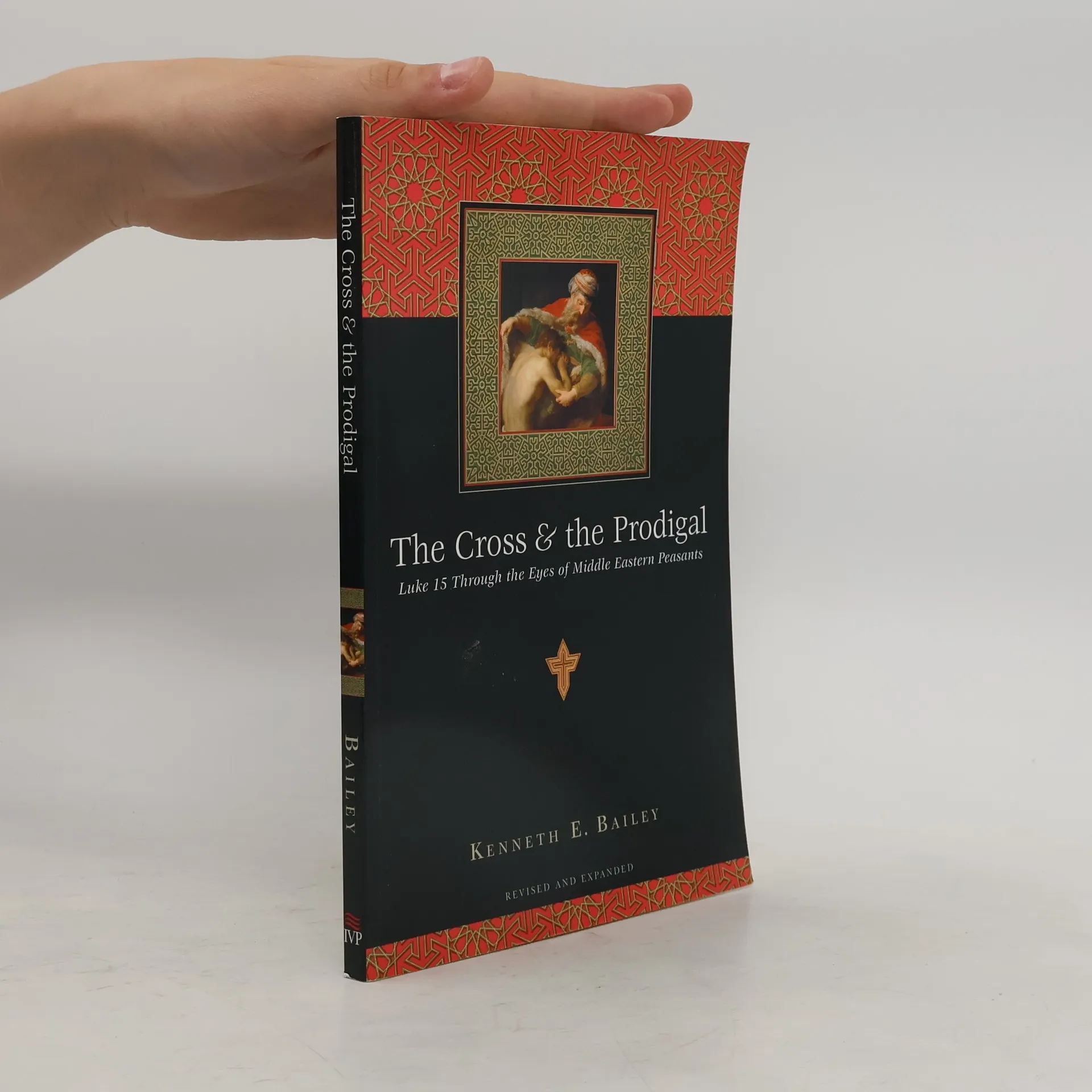
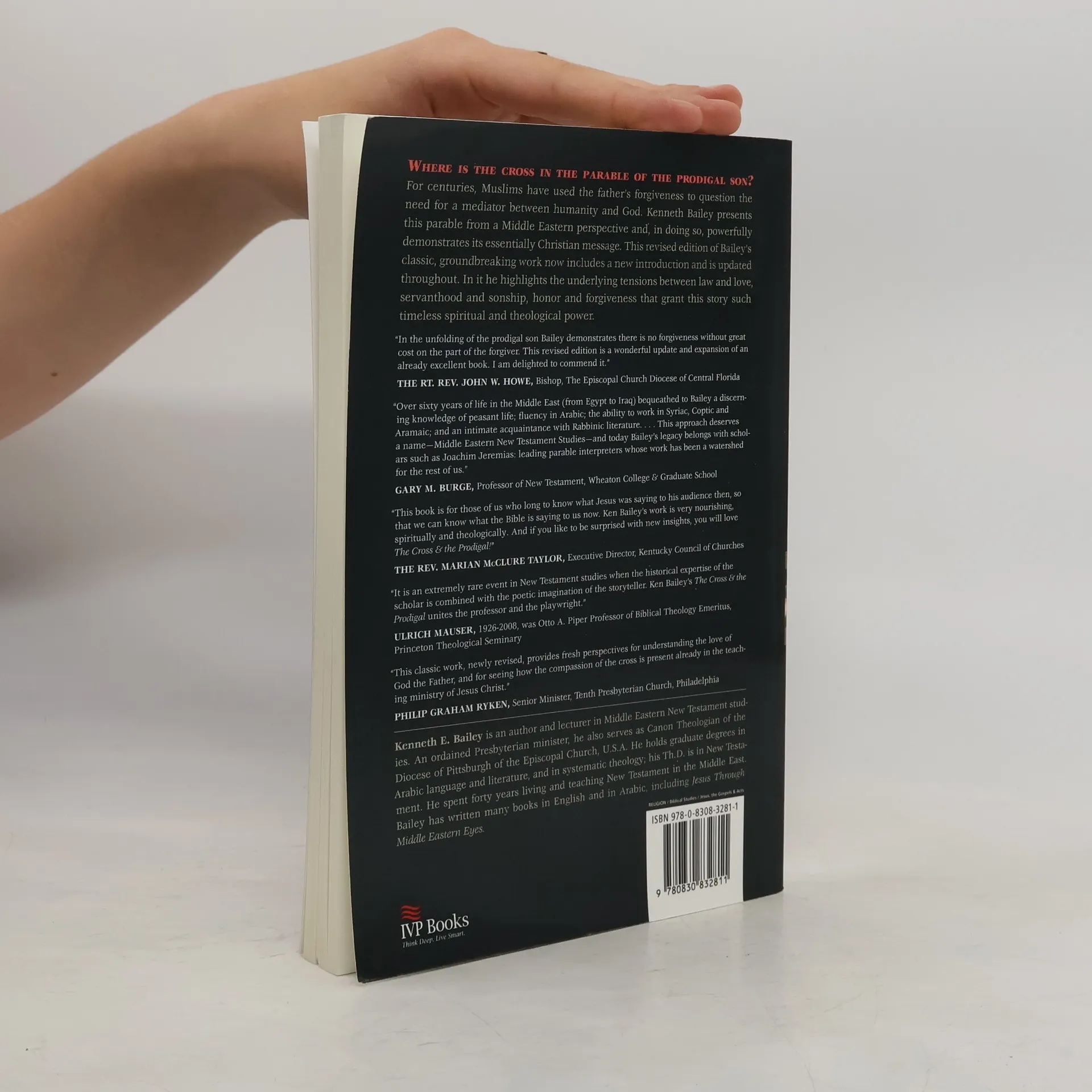
Preaching Magazine Year's Best Book for Preachers Where is the cross in the parable of the prodigal son? For centuries, Muslims have called attention to the father's forgiveness in this parable in order to question the need for a Mediator between humanity and God. In The Cross and the Prodigal, Kenneth E. Bailey--New Testament scholar and long-time missionary to the Middle East--undertakes to answer this question. Drawing on his extensive knowledge of both the New Testament and Middle Eastern culture, Bailey presents an interpretation of this parable from a Middle Eastern perspective and, in doing so, powerfully demonstrates its essentially Christian message. Here Bailey highlights the underlying tensions between law and love, servanthood and sonship, honor and forgiveness that grant this story such timeless spiritual and theological power.
Book purchase
The Cross and the Prodigal, Kenneth E. Bailey
- Language

- Released
- 2000
- Binding
- (Paperback)
Payment methods
We’re missing your review here.
- Title
- The Cross and the Prodigal
- Language
- English
- Authors
- Kenneth E. Bailey
- Publisher
- InterVarsity Press
- Released
- 2000
- Format
- Paperback
- Pages
- 151
- ISBN10
- 0830832815
- ISBN13
- 9780830832811
- Series
- Rating
- 4.5 out of 5
- Description
- Preaching Magazine Year's Best Book for Preachers Where is the cross in the parable of the prodigal son? For centuries, Muslims have called attention to the father's forgiveness in this parable in order to question the need for a Mediator between humanity and God. In The Cross and the Prodigal, Kenneth E. Bailey--New Testament scholar and long-time missionary to the Middle East--undertakes to answer this question. Drawing on his extensive knowledge of both the New Testament and Middle Eastern culture, Bailey presents an interpretation of this parable from a Middle Eastern perspective and, in doing so, powerfully demonstrates its essentially Christian message. Here Bailey highlights the underlying tensions between law and love, servanthood and sonship, honor and forgiveness that grant this story such timeless spiritual and theological power.