


More about the book
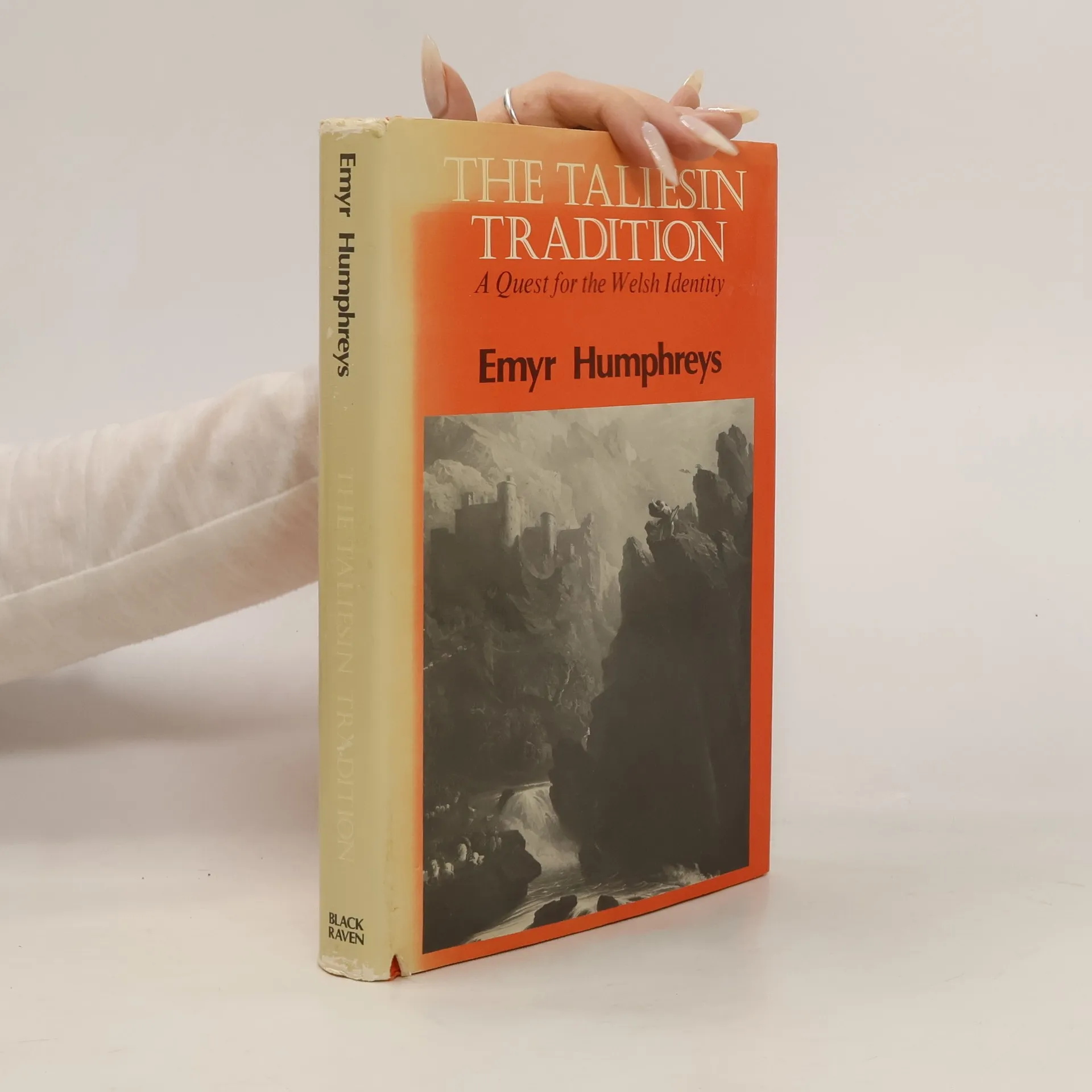
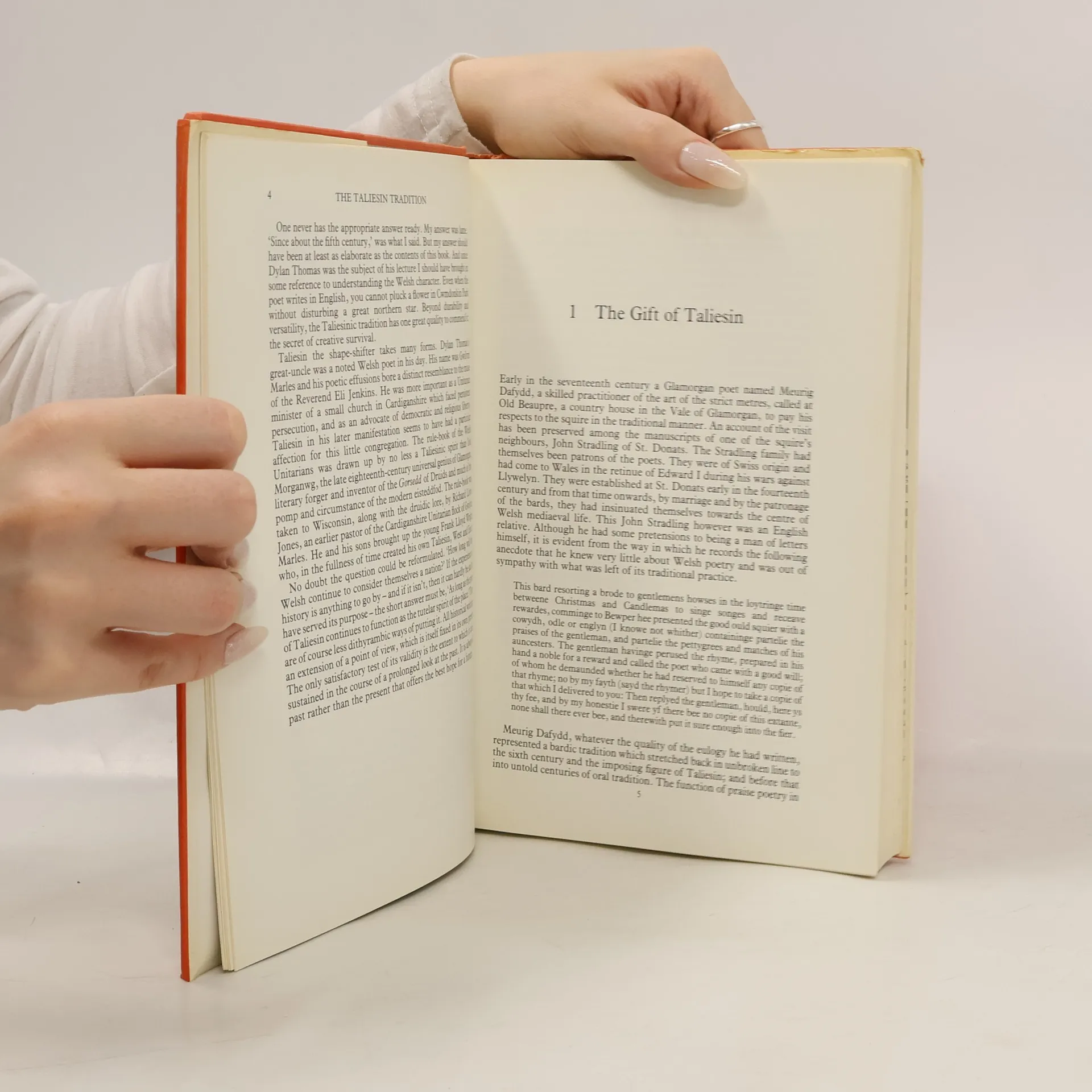
In The Taliesin Tradition, Emyr Humphreys shows how literature in Wales has reshaped and reasserted Welsh identity in the face of English cultural imperialism. Figures such as Taliesin, a sixth century poet, Myrddin (Merlin), the bards of medieval princes, Dr John Dee, Iolo Morganwg, Mabon, Lloyd George, and Saunders Lewis have all redefined the image of Wales in their own historical periods. Wales has been, in turn, a bastion of British Christianity, the basis of Tudor imperialism, a haven for the Romantics, a leader of Liberalism and Socialism, and the inspiration for twentieth century Welsh nationalism. Tracing the links in this chain, Humphreys identifies a situation increasingly common in Europe and elsewhere: the preservation of a national past in the context of an international future. His book reflects the vital relationship between literature and identity, between poetry and politics.
Book purchase
The Taliesin tradition, Emyr Humphreys
- Language

- Released
- 1983
- Binding
- (Hardcover)
Payment methods
We’re missing your review here.
- Title
- The Taliesin tradition
- Language
- English
- Authors
- Emyr Humphreys
- Publisher
- Black Raven Press
- Released
- 1983
- Format
- Hardcover
- Pages
- 245
- ISBN10
- 0851590020
- ISBN13
- 9780851590028
- Series
- Rating
- 4.65 out of 5
- Description
- In The Taliesin Tradition, Emyr Humphreys shows how literature in Wales has reshaped and reasserted Welsh identity in the face of English cultural imperialism. Figures such as Taliesin, a sixth century poet, Myrddin (Merlin), the bards of medieval princes, Dr John Dee, Iolo Morganwg, Mabon, Lloyd George, and Saunders Lewis have all redefined the image of Wales in their own historical periods. Wales has been, in turn, a bastion of British Christianity, the basis of Tudor imperialism, a haven for the Romantics, a leader of Liberalism and Socialism, and the inspiration for twentieth century Welsh nationalism. Tracing the links in this chain, Humphreys identifies a situation increasingly common in Europe and elsewhere: the preservation of a national past in the context of an international future. His book reflects the vital relationship between literature and identity, between poetry and politics.