



Parameters
More about the book
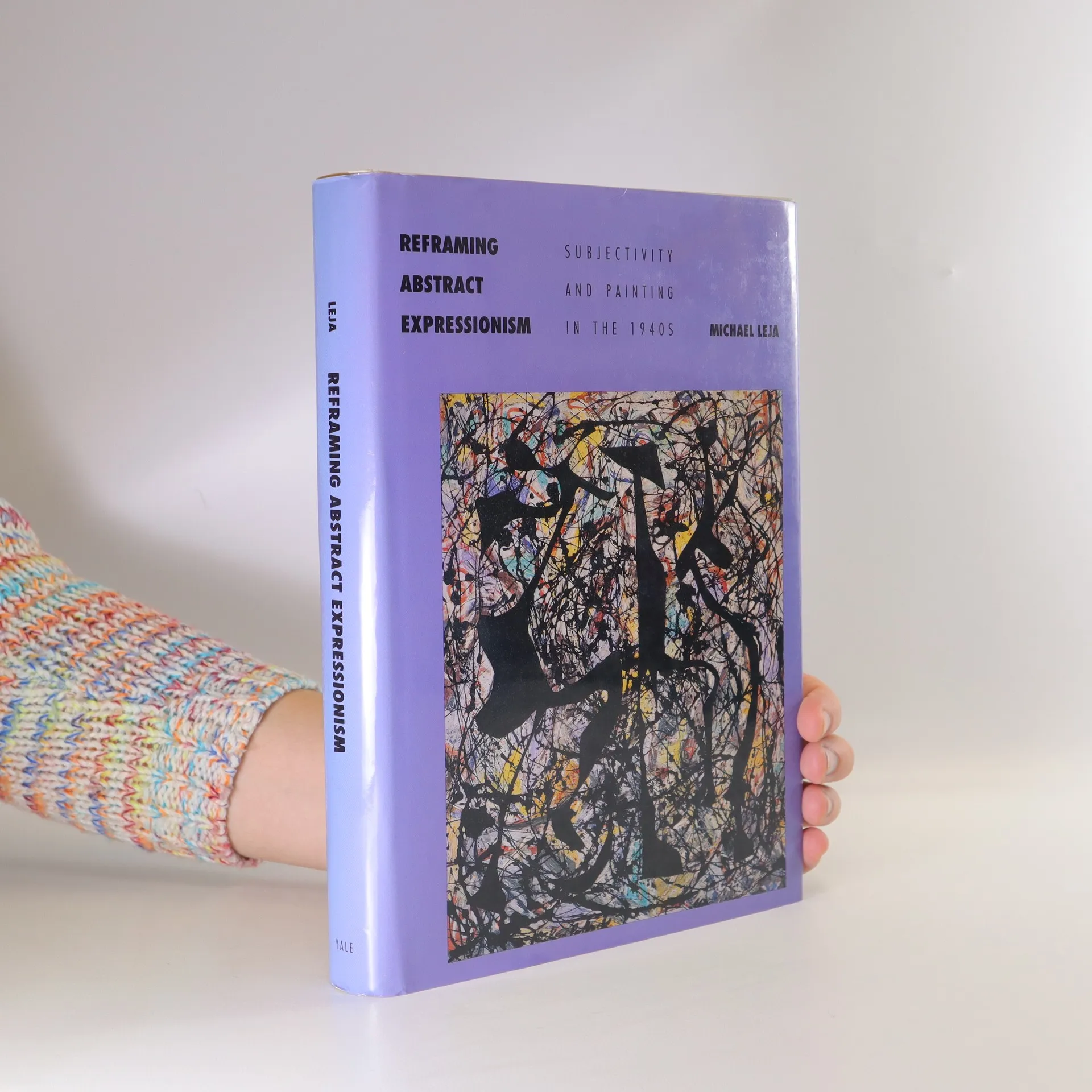
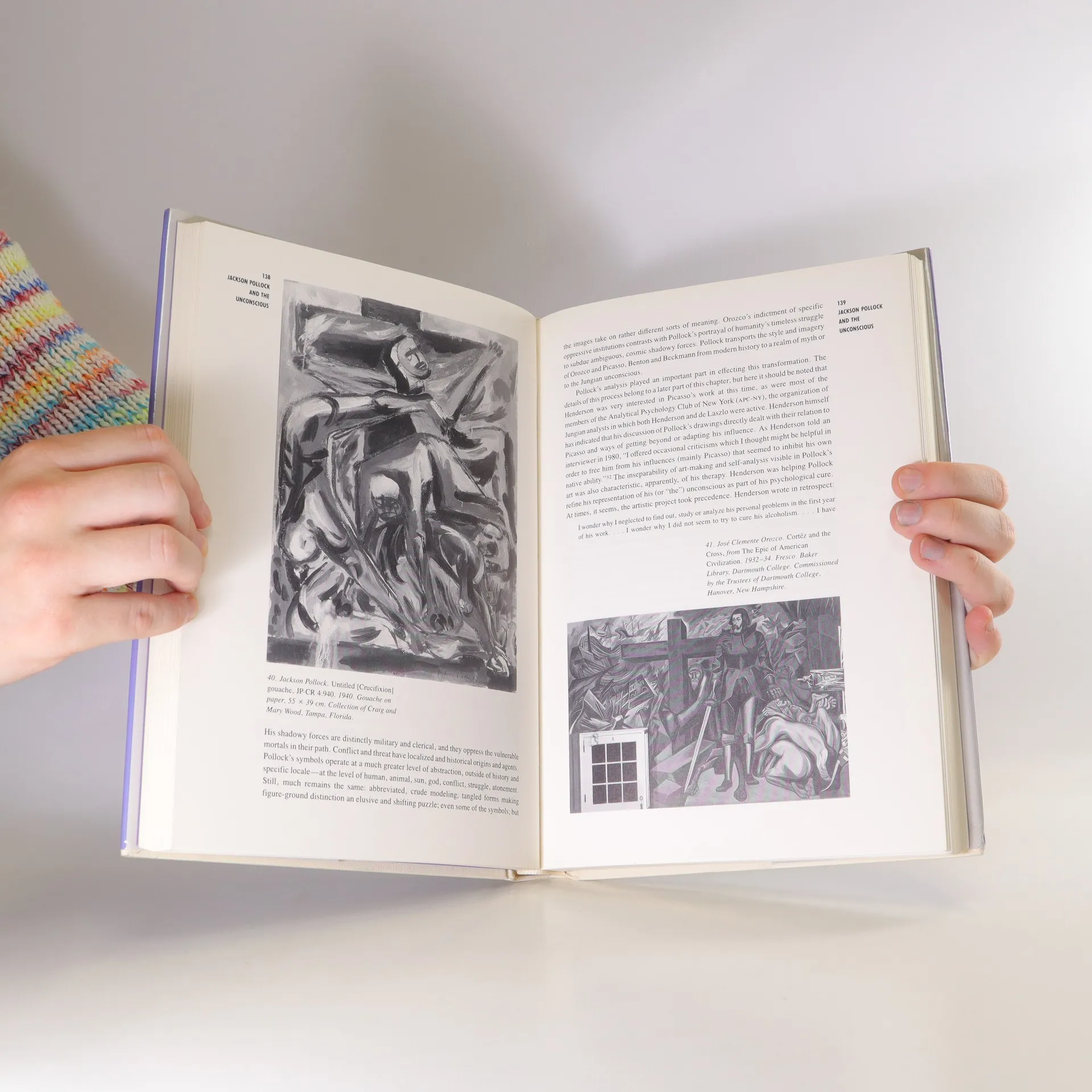
In the aftermath of World War II, the works of Jackson Pollock, Mark Rothko, Barnett Newman, and Willem de Kooning contributed to a cultural movement aimed at redefining the self. As traditional beliefs about human nature became increasingly questioned, Abstract Expressionism offered a compelling visual representation of a new subjectivity and understanding of self. Michael Leja's study argues that these artists' exploration of "primitive" and "unconscious" elements of identity parallels the interests of contemporary essayists, filmmakers, journalists, and philosophers who also turned to psychology, anthropology, and philosophy to reshape individual identity. Using Pollock's paintings and their reception as a focal point, Leja demonstrates how critics interpreted Pollock's abstract forms through various metaphors—such as spatial entrapment and energy flow—that connected the art to broader cultural discussions about self and identity. This interpretative approach reveals the cultural and ideological significance of Abstract Expressionism, suggesting that it effectively embodied the new, complex subjectivity of the time, which garnered considerable support from cultural and political institutions.
Book purchase
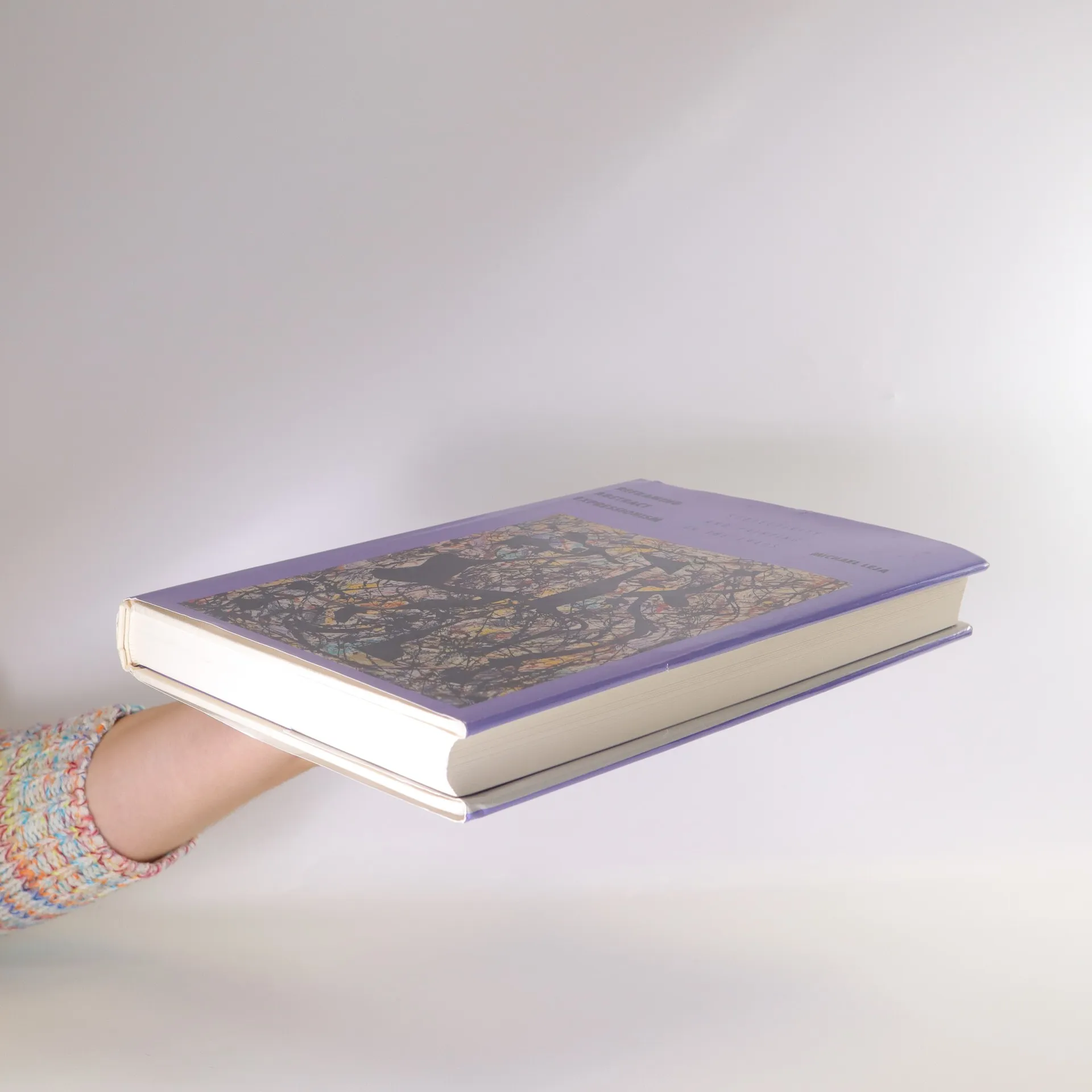
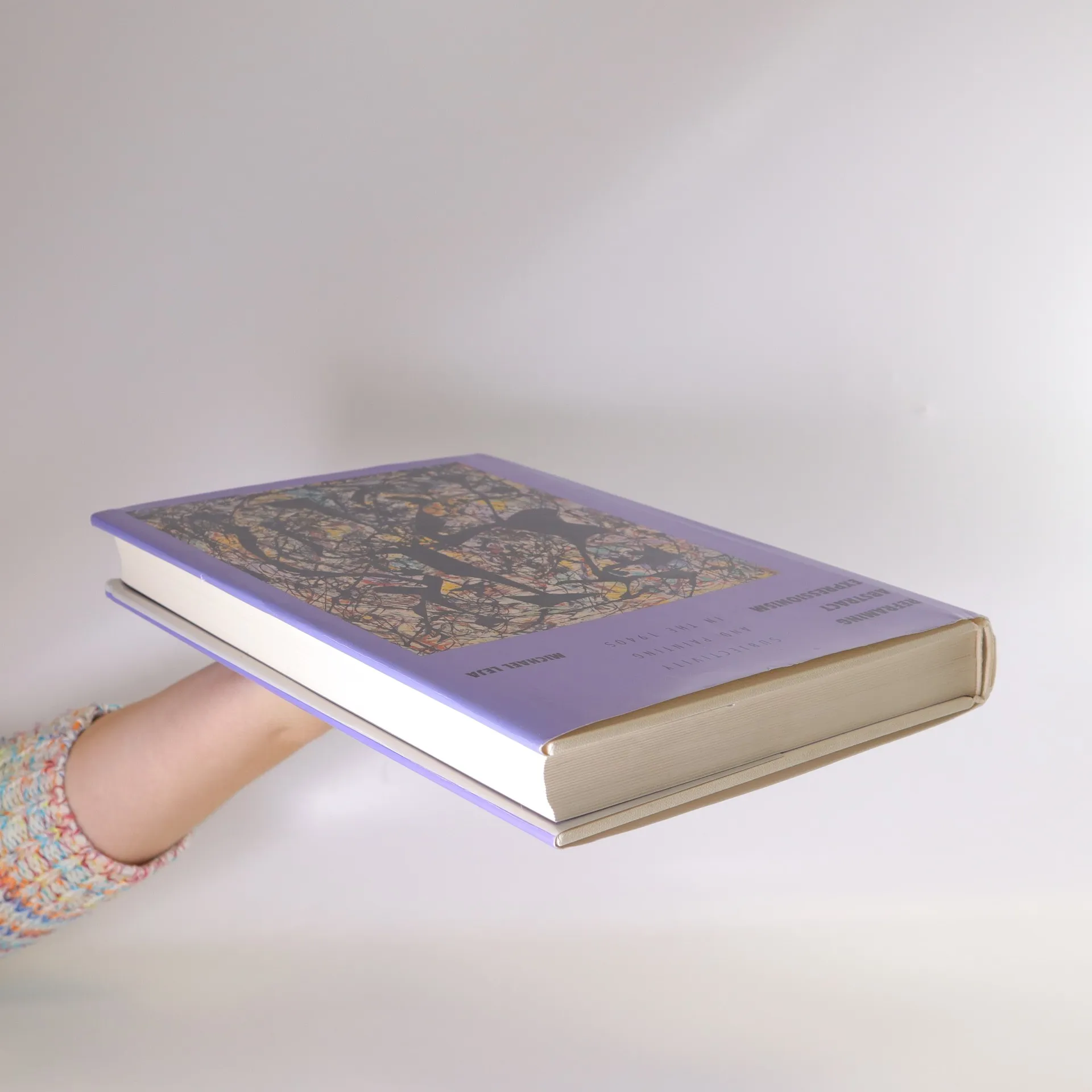
Reframing Abstract Expressionism, Michael Leja
- Language

- Released
- 1993
- Binding
- (Hardcover)
Payment methods
We’re missing your review here.
- Title
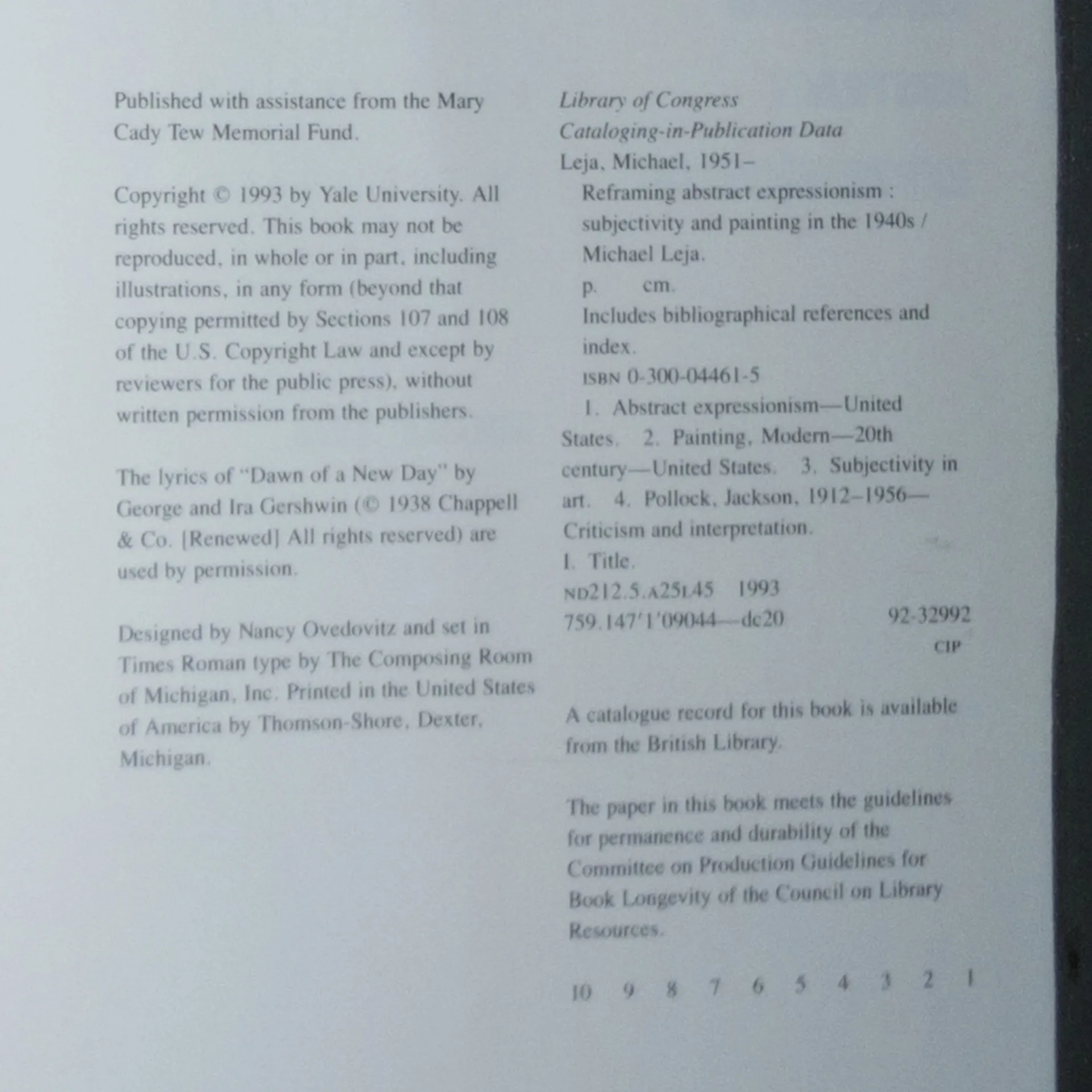
- Reframing Abstract Expressionism
- Language
- English
- Authors
- Michael Leja
- Publisher
- Yale University Press
- Released
- 1993
- Format
- Hardcover
- ISBN10
- 0300044615
- ISBN13
- 9780300044614
- Series
- Categories
- Tags
- Art
- Rating
- 4 out of 5
- Description
- In the aftermath of World War II, the works of Jackson Pollock, Mark Rothko, Barnett Newman, and Willem de Kooning contributed to a cultural movement aimed at redefining the self. As traditional beliefs about human nature became increasingly questioned, Abstract Expressionism offered a compelling visual representation of a new subjectivity and understanding of self. Michael Leja's study argues that these artists' exploration of "primitive" and "unconscious" elements of identity parallels the interests of contemporary essayists, filmmakers, journalists, and philosophers who also turned to psychology, anthropology, and philosophy to reshape individual identity. Using Pollock's paintings and their reception as a focal point, Leja demonstrates how critics interpreted Pollock's abstract forms through various metaphors—such as spatial entrapment and energy flow—that connected the art to broader cultural discussions about self and identity. This interpretative approach reveals the cultural and ideological significance of Abstract Expressionism, suggesting that it effectively embodied the new, complex subjectivity of the time, which garnered considerable support from cultural and political institutions.