

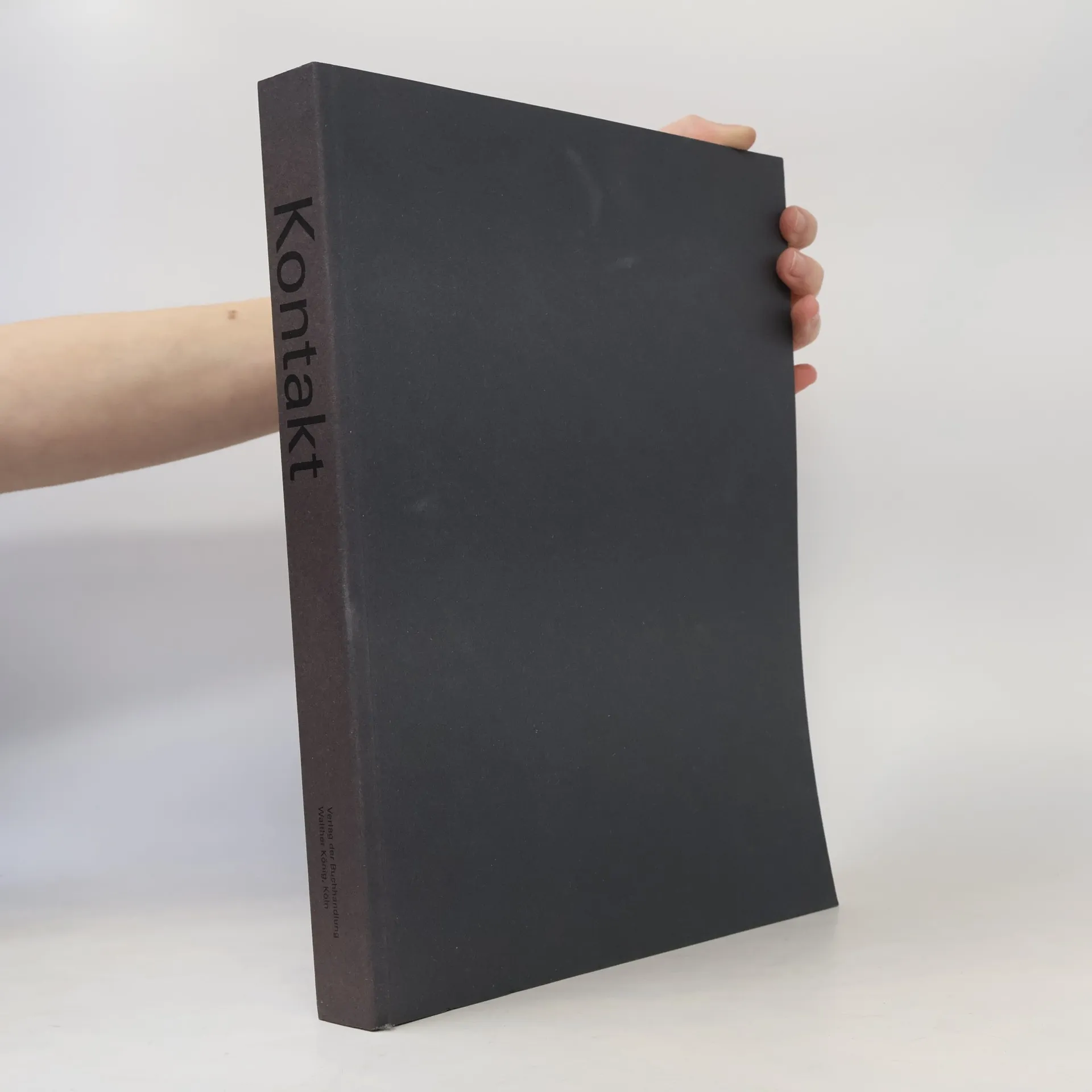

Kontakt: The Art Collection of Erste Group and ERSTE Foundation
Authors
- Various authors
More about the book
'Kontakt' is the first publication to provide an overview of the eponymous art collection that was founded in 2004 by Erste Group and ERSTE Foundation. This collection, which now consists of over 600 individual works with an emphasis on Eastern, Southeastern, and Central Europe, is portrayed via an array of diverse, mutually complementary approaches. A general introduction discusses the criteria and contextual guideposts of Kontakt's collecting policy. In the monographic section that follows, renowned art researchers and theoreticians deal with a selection of 38 individual works from the collection. The book concludes with a group discussion of the changing art world's various geopolitical dimensions and outlooks. Additionally, a rich body of illustrations features a cross-section of the collection's holdings that is both representative and of great visual appeal.
Book purchase
Kontakt: The Art Collection of Erste Group and ERSTE Foundation, Various authors
- Language

- Released
- 2017
- Binding
- (Hardcover)
Payment methods
No one has rated yet.
- Title
- Kontakt: The Art Collection of Erste Group and ERSTE Foundation
- Language
- English
- Authors
- Various authors
- Released
- 2017
- Format
- Hardcover
- Pages
- 429
- ISBN10
- 3960982674
- ISBN13
- 9783960982678
- Series
- Categories
- Tags
- Art
- Description
- 'Kontakt' is the first publication to provide an overview of the eponymous art collection that was founded in 2004 by Erste Group and ERSTE Foundation. This collection, which now consists of over 600 individual works with an emphasis on Eastern, Southeastern, and Central Europe, is portrayed via an array of diverse, mutually complementary approaches. A general introduction discusses the criteria and contextual guideposts of Kontakt's collecting policy. In the monographic section that follows, renowned art researchers and theoreticians deal with a selection of 38 individual works from the collection. The book concludes with a group discussion of the changing art world's various geopolitical dimensions and outlooks. Additionally, a rich body of illustrations features a cross-section of the collection's holdings that is both representative and of great visual appeal.