

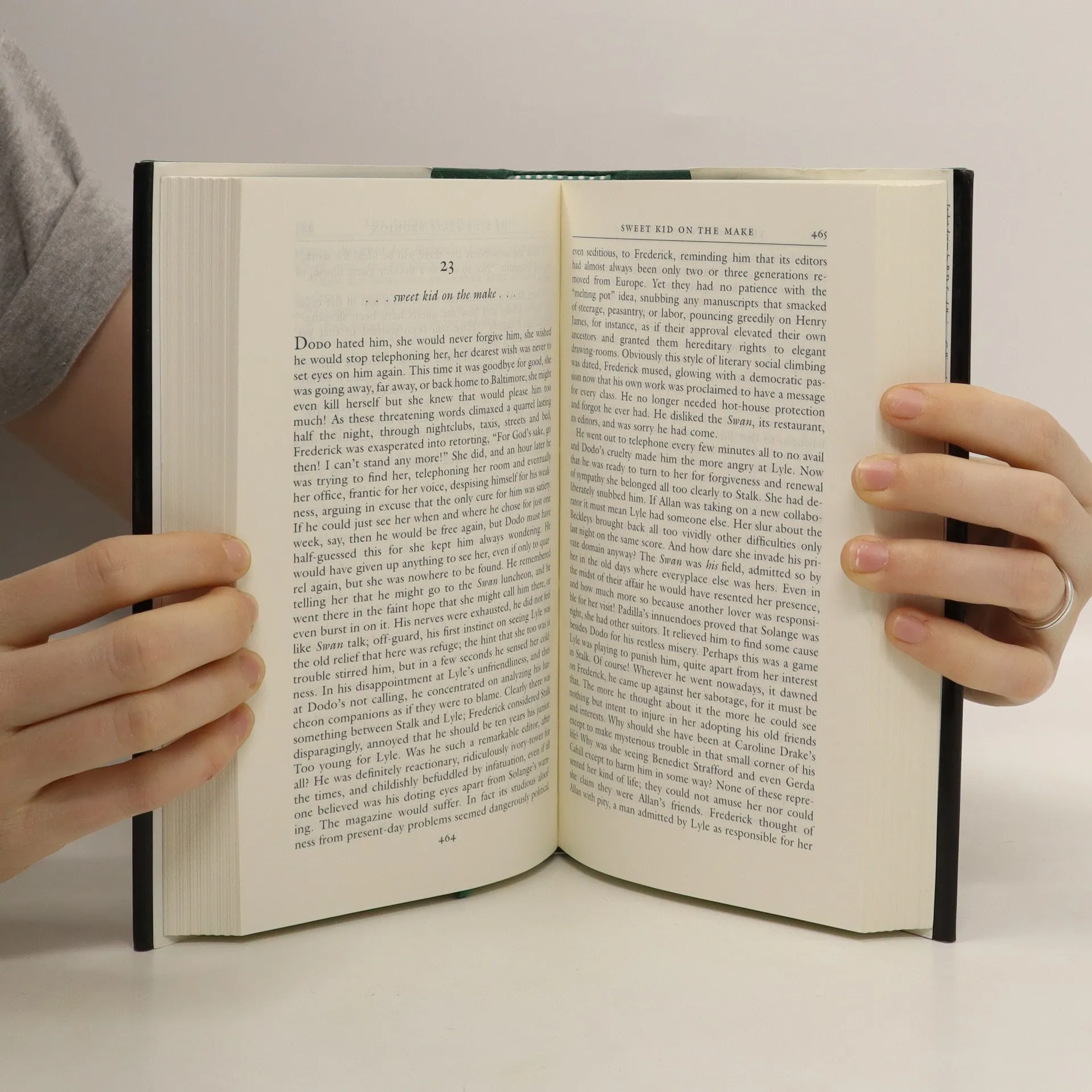
Parameters
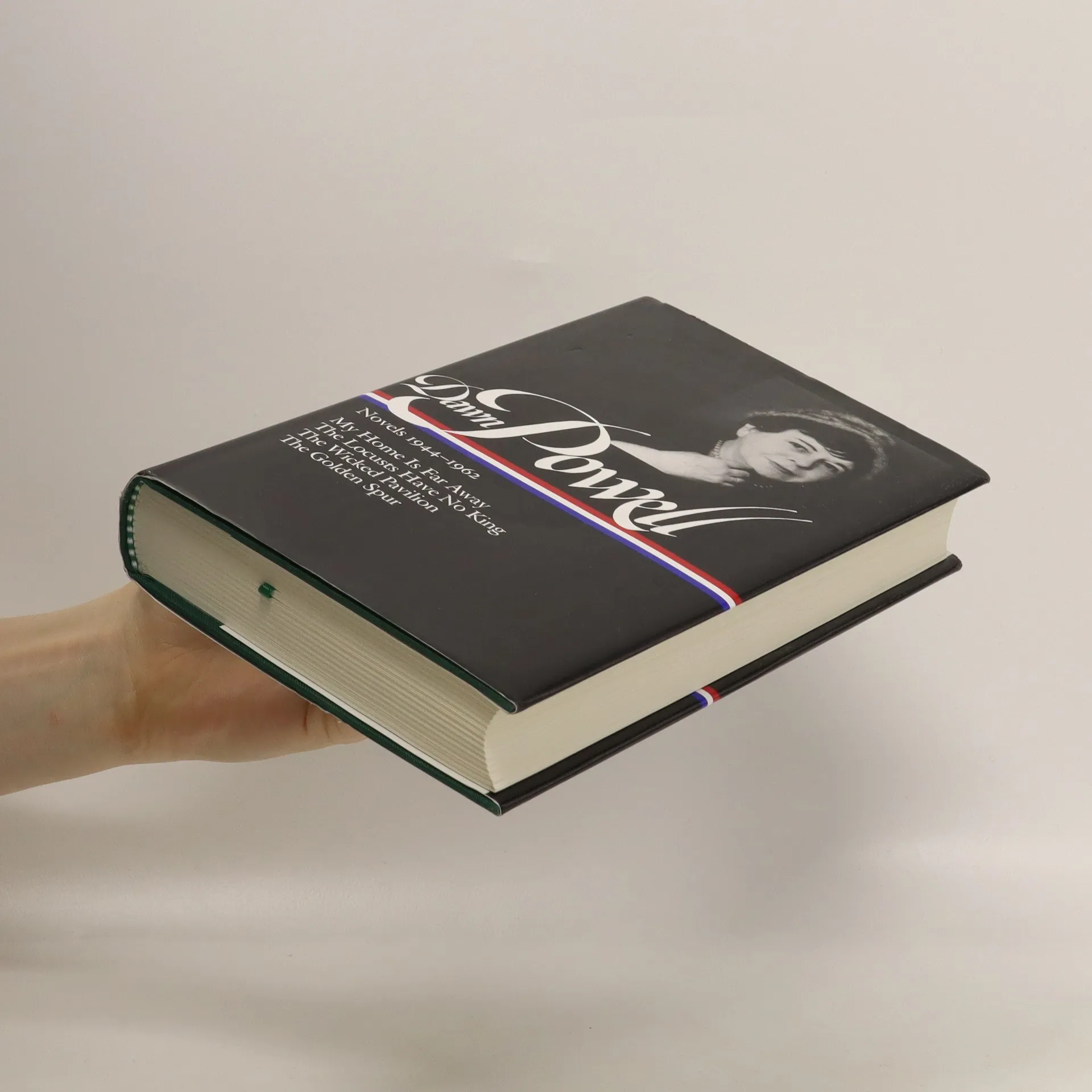
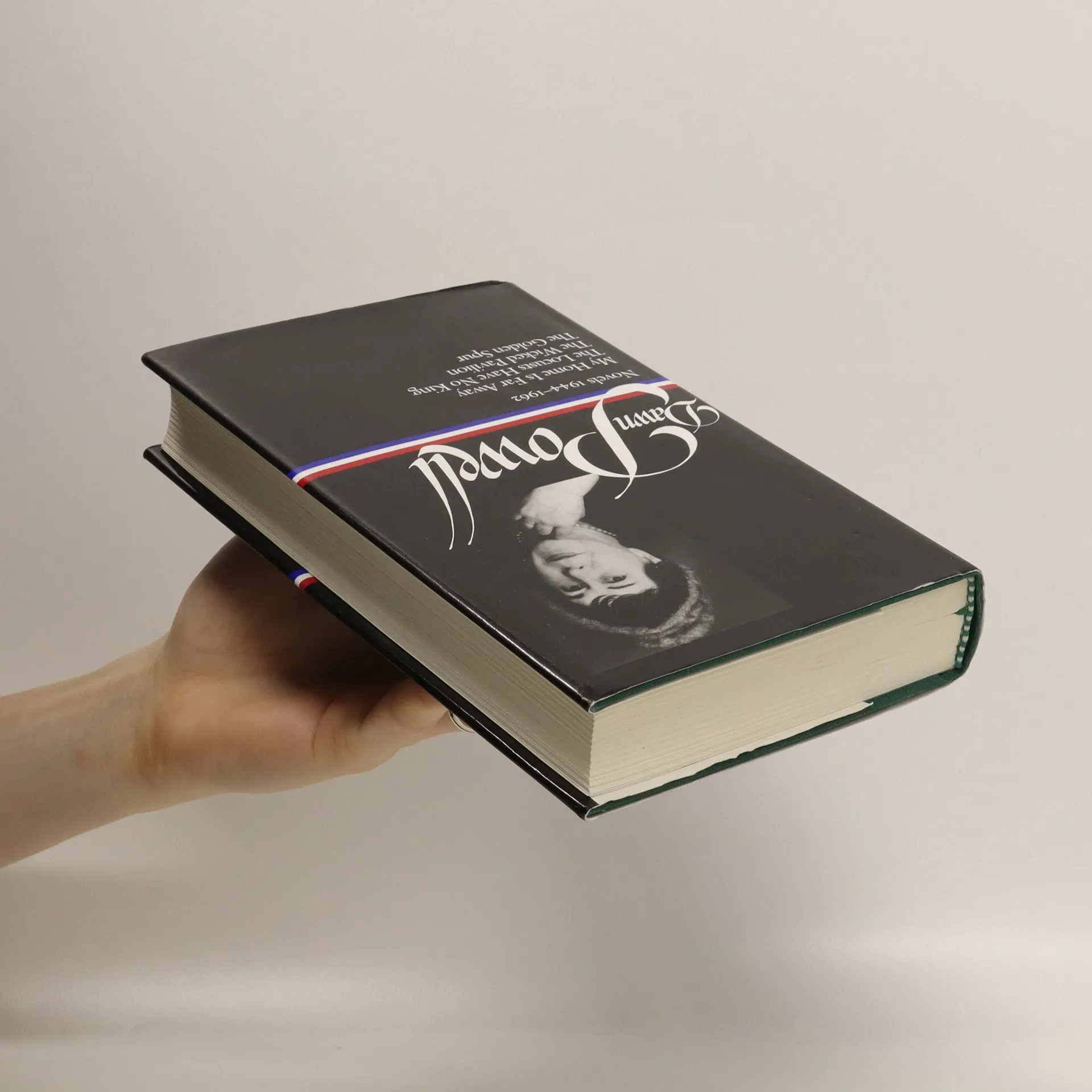
- 969 pages
- 34 hours of reading
More about the book
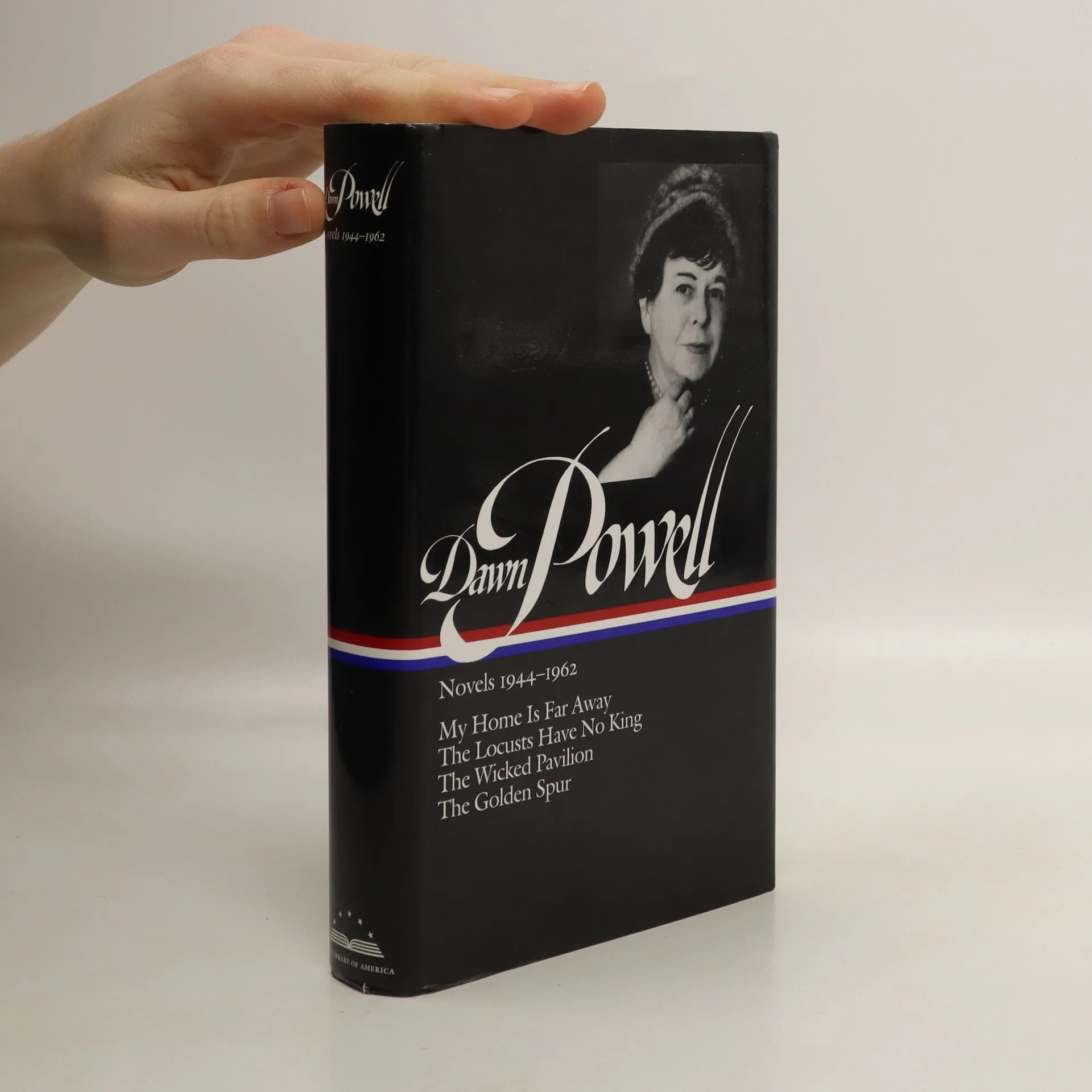
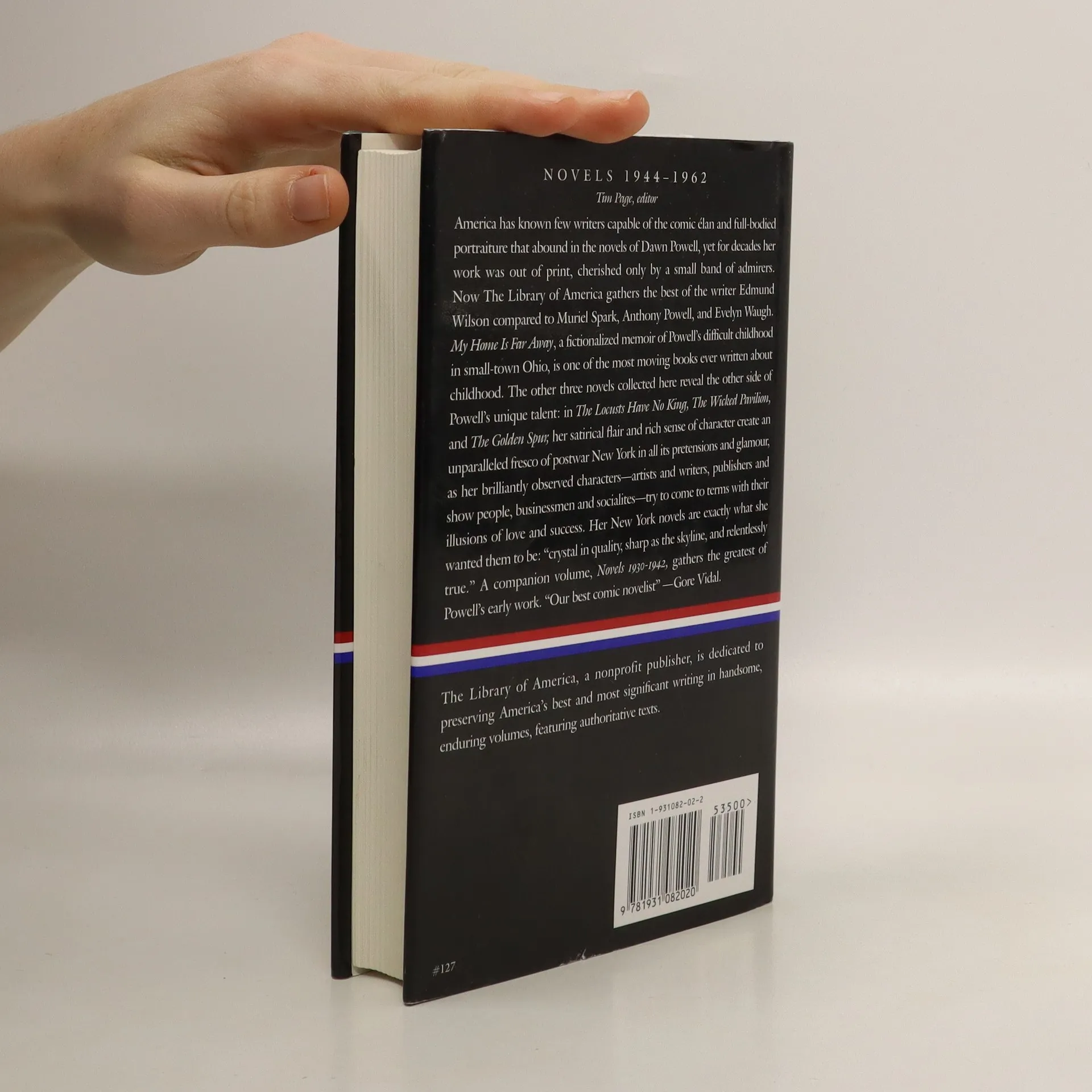
American literature has few writers with the comic flair and vivid character portrayals found in the novels of Dawn Powell. For decades after her death, her work remained out of print, appreciated only by a small group of fans. Recently, however, she has been rediscovered, with Gore Vidal calling her "our best comic novelist" and Edmund Wilson placing her alongside literary giants like Anthony Powell and Evelyn Waugh. A two-volume set from The Library of America showcases Powell's unique, often humorous, and sometimes poignant fiction. A key figure in literary Greenwich Village from the 1920s to the 1960s, Powell chronicled two contrasting worlds: her melancholic Ohio upbringing and the vibrant Manhattan life she embraced for nearly fifty years. Her Ohio novels exude compassion, while her Manhattan stories are lively and incisive, featuring a colorful array of writers and socialites, all seen through her sharp yet empathetic lens. A masterful satirist and keen observer of human folly, Powell's work is a significant literary rediscovery. "My Home Is Far Away" (1944) reflects her challenging childhood, while "The Locusts Have No King" (1948) explores a scholar's encounter with fame. This is followed by "The Wicked Pavilion" (1954), which critiques illusions of love and success in Greenwich Village, and concludes with "The Golden Spur" (1962), a satire of Manhattan's art scene inspired by her experiences at the Cedar Tavern.
Book purchase
Novels 1944-1962, Dawn Powell
- Language

- Released
- 2001
- Binding
- (Hardcover)
Payment methods
We’re missing your review here.
- Title
- Novels 1944-1962
- Language
- English
- Authors
- Dawn Powell
- Publisher
- Library of America
- Released
- 2001
- Format
- Hardcover
- Pages
- 969
- ISBN10
- 1931082022
- ISBN13
- 9781931082020
- Series
- Collection
- The Library of America series
- Rating
- 4.1 out of 5
- Description
- American literature has few writers with the comic flair and vivid character portrayals found in the novels of Dawn Powell. For decades after her death, her work remained out of print, appreciated only by a small group of fans. Recently, however, she has been rediscovered, with Gore Vidal calling her "our best comic novelist" and Edmund Wilson placing her alongside literary giants like Anthony Powell and Evelyn Waugh. A two-volume set from The Library of America showcases Powell's unique, often humorous, and sometimes poignant fiction. A key figure in literary Greenwich Village from the 1920s to the 1960s, Powell chronicled two contrasting worlds: her melancholic Ohio upbringing and the vibrant Manhattan life she embraced for nearly fifty years. Her Ohio novels exude compassion, while her Manhattan stories are lively and incisive, featuring a colorful array of writers and socialites, all seen through her sharp yet empathetic lens. A masterful satirist and keen observer of human folly, Powell's work is a significant literary rediscovery. "My Home Is Far Away" (1944) reflects her challenging childhood, while "The Locusts Have No King" (1948) explores a scholar's encounter with fame. This is followed by "The Wicked Pavilion" (1954), which critiques illusions of love and success in Greenwich Village, and concludes with "The Golden Spur" (1962), a satire of Manhattan's art scene inspired by her experiences at the Cedar Tavern.