

More about the book
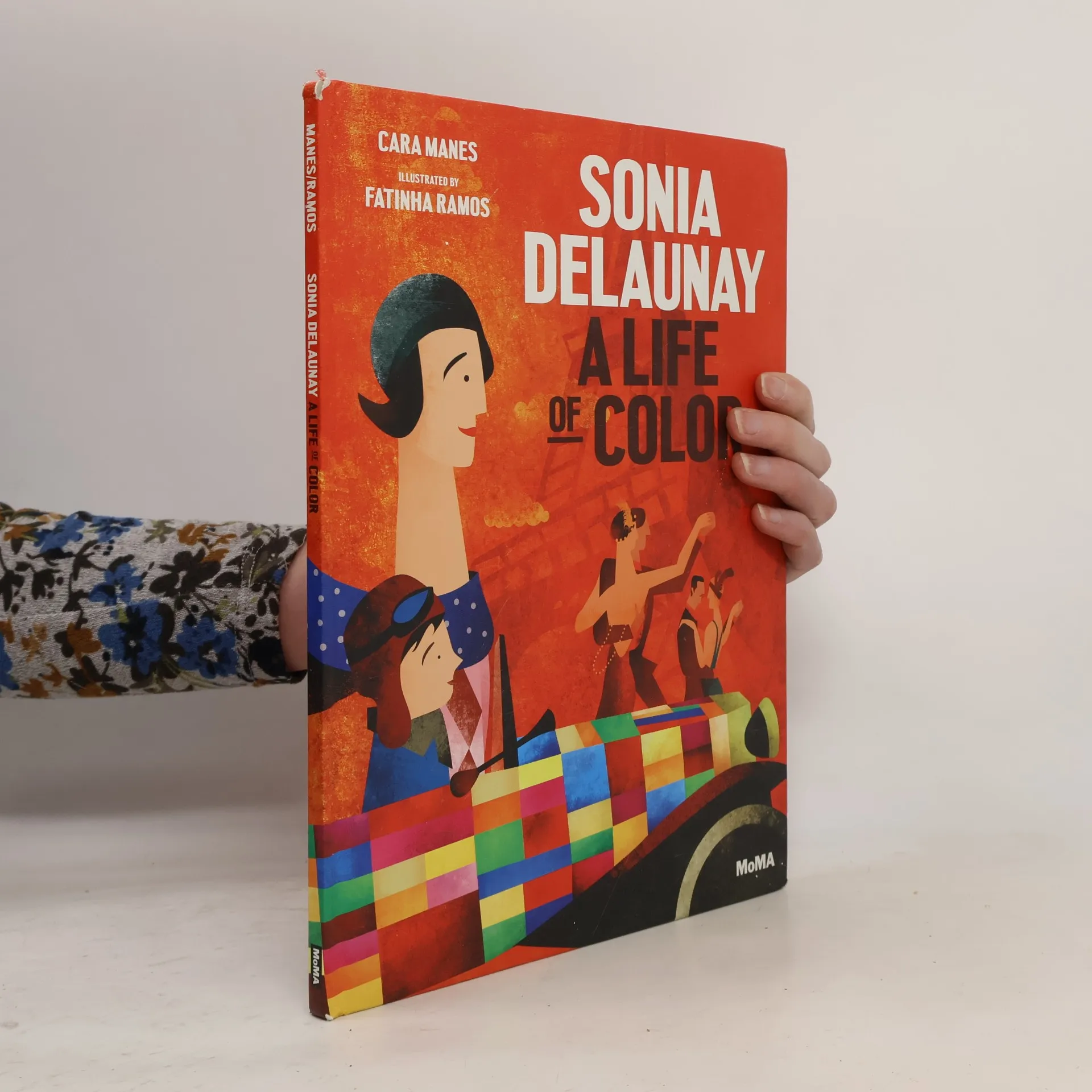
Sonia Delaunay made enormous contributions to the development of abstraction in the early 1900s. Sonia Delaunay: Art Is Life introduces young audiences to her art as Sonia and her six-year-old Charles embark on a magical road trip in their car, modelled after Sonia's 1925 design for a Citroën convertible. Together they glide into a landscape made up of colours and shapes drawn from Sonia's early abstract compositions - almost as if they've entered one of her paintings. Along the road, they make pit stops at 'sites' that inspired some of Sonia's key paintings of this period (such as the dance hall depicted in her 1913 work Bal Bulier and the open air Portuguese market that was the subject of her 1915 painting Marché au Minho). Sonia and Charles also explore her gorgeous and colourful designs for fabrics and clothing. Through these encounters, Sonia helps her son understand her artistic process of abstracting from reality by asking Charles what shapes and colours he discerns within these subjects. Their journey ends back in the real world, and Charles realizes that his mother's thinking about art permeates every aspect of their life.
Book purchase
Sonia Delaunay, Cara Manes
- Language

- Released
- 2017
- Binding
- (Hardcover)
Payment methods
We’re missing your review here.
- Title
- Sonia Delaunay
- Language
- English
- Authors
- Cara Manes
- Publisher
- Museum of Modern Art
- Released
- 2017
- Format
- Hardcover
- Pages
- 40
- ISBN10
- 1633450244
- ISBN13
- 9781633450240
- Series
- Tags
- Art
- Rating
- 3.85 out of 5
- Description
- Sonia Delaunay made enormous contributions to the development of abstraction in the early 1900s. Sonia Delaunay: Art Is Life introduces young audiences to her art as Sonia and her six-year-old Charles embark on a magical road trip in their car, modelled after Sonia's 1925 design for a Citroën convertible. Together they glide into a landscape made up of colours and shapes drawn from Sonia's early abstract compositions - almost as if they've entered one of her paintings. Along the road, they make pit stops at 'sites' that inspired some of Sonia's key paintings of this period (such as the dance hall depicted in her 1913 work Bal Bulier and the open air Portuguese market that was the subject of her 1915 painting Marché au Minho). Sonia and Charles also explore her gorgeous and colourful designs for fabrics and clothing. Through these encounters, Sonia helps her son understand her artistic process of abstracting from reality by asking Charles what shapes and colours he discerns within these subjects. Their journey ends back in the real world, and Charles realizes that his mother's thinking about art permeates every aspect of their life.