


Parameters
More about the book
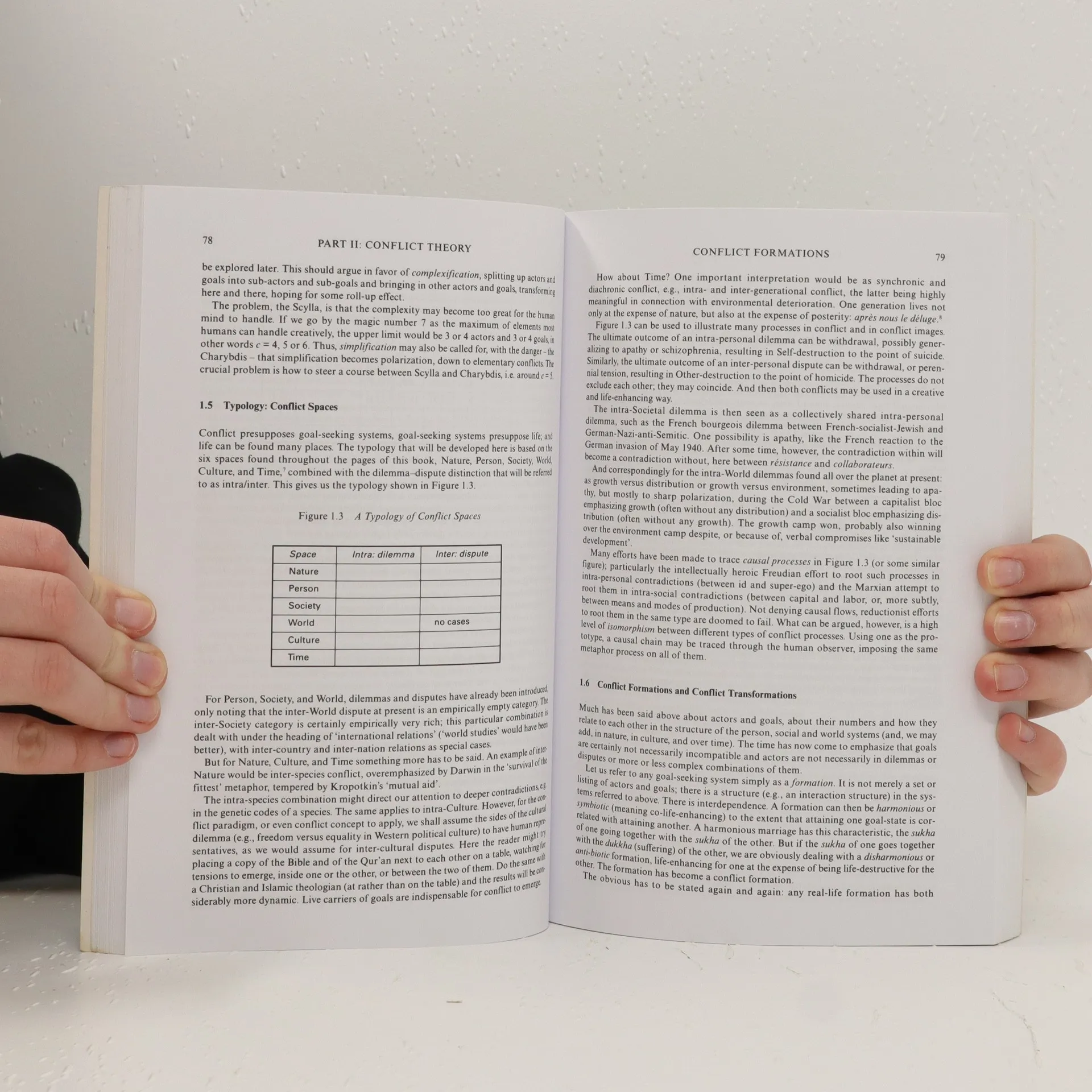
Johan Galtung, one of the founders of modern peace studies, provides a wide-ranging panorama of the ideas, theories and assumptions on which the study of peace is based. The book is organized in four parts, each examining the one of the four major theoretical approaches to peace. The first part covers peace theory, exploring the epistemological assumptions of peace. In Part Two conflict theory is examined with an exploration of nonviolent and creative handling of conflict. Developmental theory is discussed in Part Three, exploring structural violence, particularly in the economic field, together with a consideration of the ways of overcoming that violence. The fourth part is devoted to civilization theory. This involves an
Book purchase
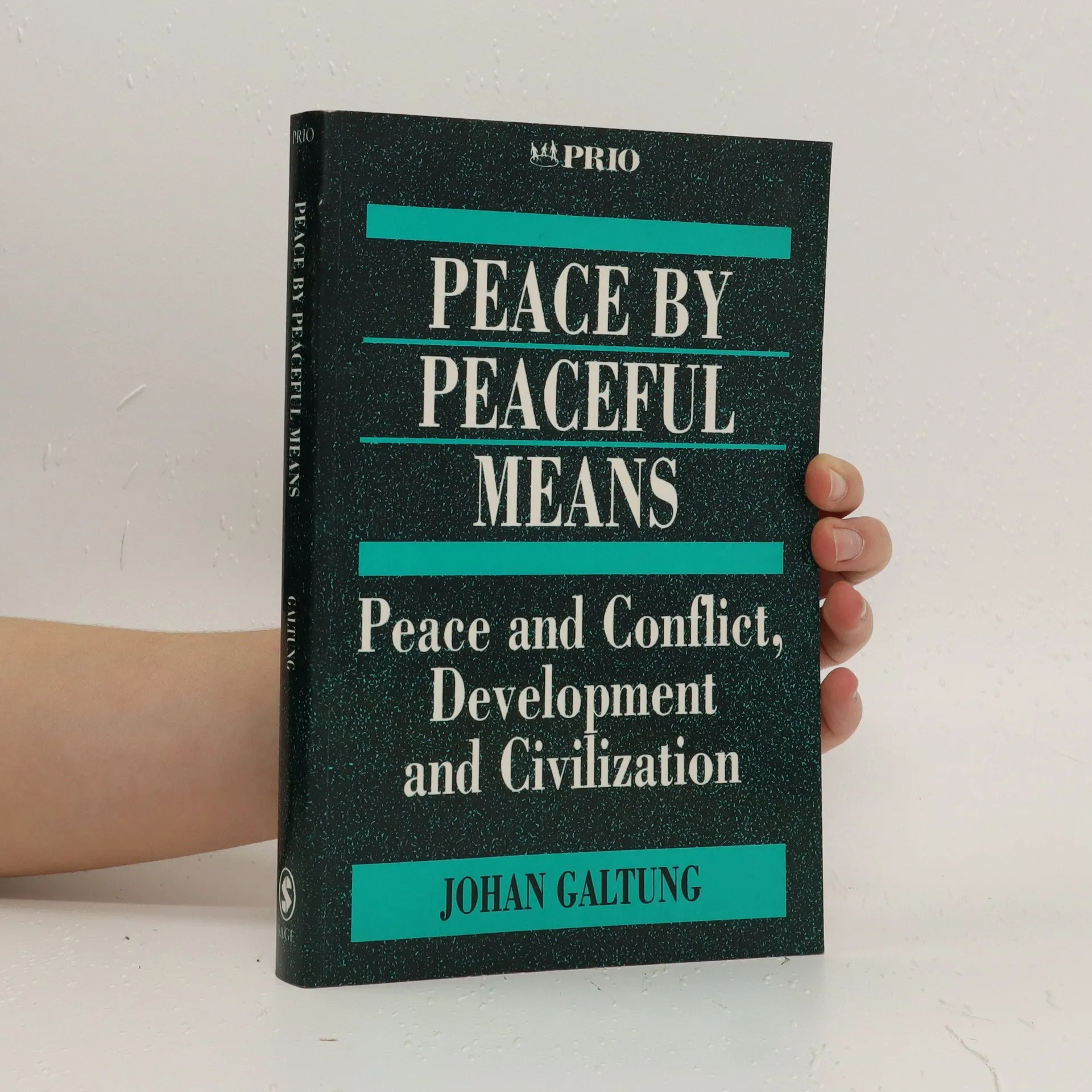
Peace by peaceful means peace and conflict, development and civilization, Johan Galtung
- Language

- Released
- 1996
- Binding
- (Paperback)
Payment methods
We’re missing your review here.
- Title
- Peace by peaceful means peace and conflict, development and civilization
- Language
- English
- Authors
- Johan Galtung
- Released
- 1996
- Format
- Paperback
- ISBN10
- 0803975112
- ISBN13
- 9780803975118
- Series
- Tags
- Politics
- Rating
- 4.2 out of 5
- Description
- Johan Galtung, one of the founders of modern peace studies, provides a wide-ranging panorama of the ideas, theories and assumptions on which the study of peace is based. The book is organized in four parts, each examining the one of the four major theoretical approaches to peace. The first part covers peace theory, exploring the epistemological assumptions of peace. In Part Two conflict theory is examined with an exploration of nonviolent and creative handling of conflict. Developmental theory is discussed in Part Three, exploring structural violence, particularly in the economic field, together with a consideration of the ways of overcoming that violence. The fourth part is devoted to civilization theory. This involves an