



More about the book
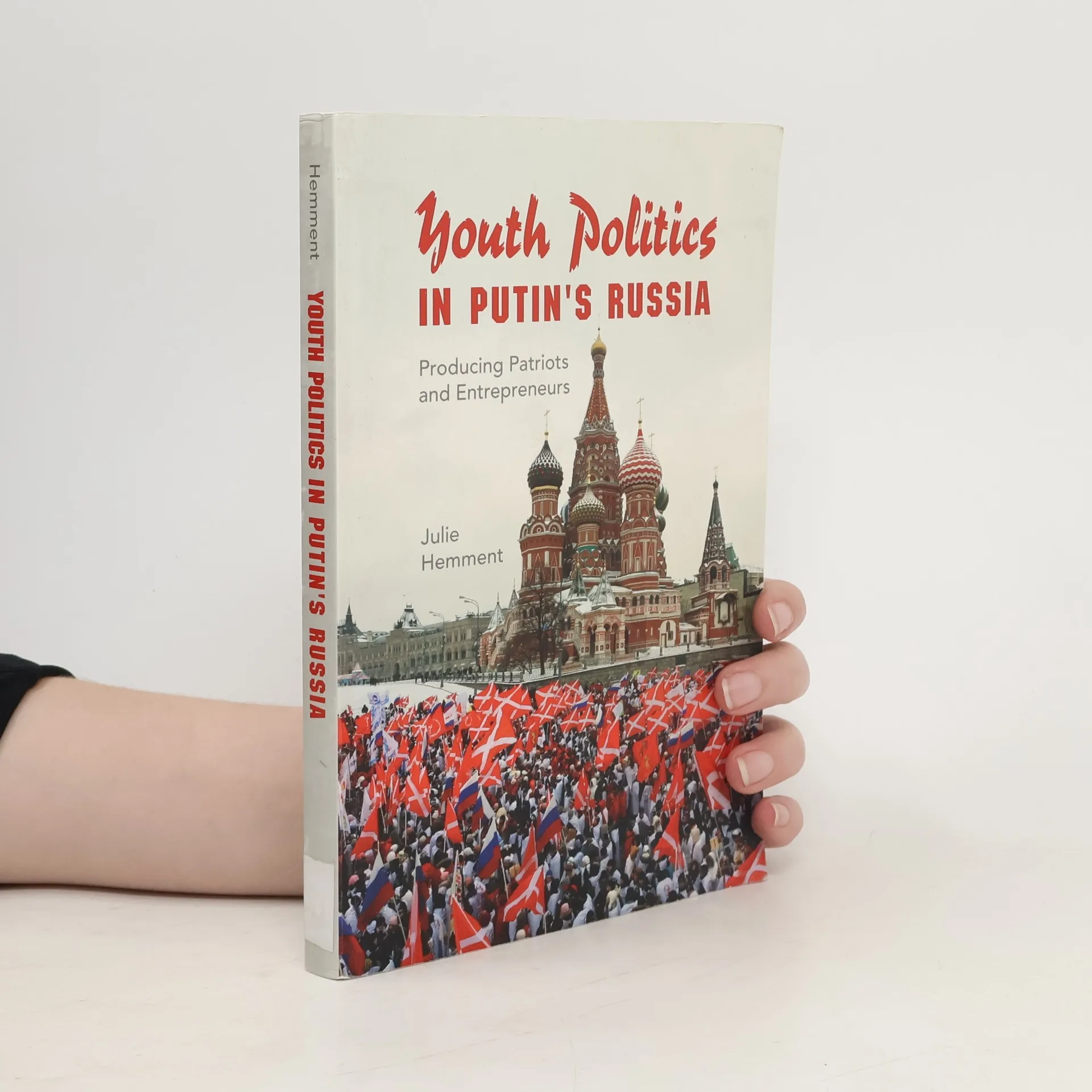
Julie Hemment provides a fresh perspective on the controversial nationalist youth projects that have proliferated in Russia in the Putin era, examining them from the point of view of their participants and offering provocative insights into their origins and significance. The pro-Kremlin organization Nashi ("Ours") and other state-run initiatives to mobilize Russian youth have been widely reviled in the West, seen as Soviet throwbacks and evidence of Russia's authoritarian turn. By contrast, Hemment's detailed ethnographic analysis finds an astute global awareness and a paradoxical kinship with the international democracy-promoting interventions of the 1990s. Drawing on Soviet political forms but responding to 21st-century disenchantments with the neoliberal state, these projects seek to produce not only patriots, but also volunteers, entrepreneurs, and activists.
Book purchase
Youth Politics in Putin's Russia, Julie Hemment
- Language

- Released
- 2015
- Binding
- (Paperback)
Payment methods
We’re missing your review here.
- Title
- Youth Politics in Putin's Russia
- Language
- English
- Authors
- Julie Hemment
- Publisher
- Indiana University Press
- Released
- 2015
- Format
- Paperback
- Pages
- 276
- ISBN10
- 0253017793
- ISBN13
- 9780253017796
- Series
- Rating
- 3.3 out of 5
- Description
- Julie Hemment provides a fresh perspective on the controversial nationalist youth projects that have proliferated in Russia in the Putin era, examining them from the point of view of their participants and offering provocative insights into their origins and significance. The pro-Kremlin organization Nashi ("Ours") and other state-run initiatives to mobilize Russian youth have been widely reviled in the West, seen as Soviet throwbacks and evidence of Russia's authoritarian turn. By contrast, Hemment's detailed ethnographic analysis finds an astute global awareness and a paradoxical kinship with the international democracy-promoting interventions of the 1990s. Drawing on Soviet political forms but responding to 21st-century disenchantments with the neoliberal state, these projects seek to produce not only patriots, but also volunteers, entrepreneurs, and activists.