

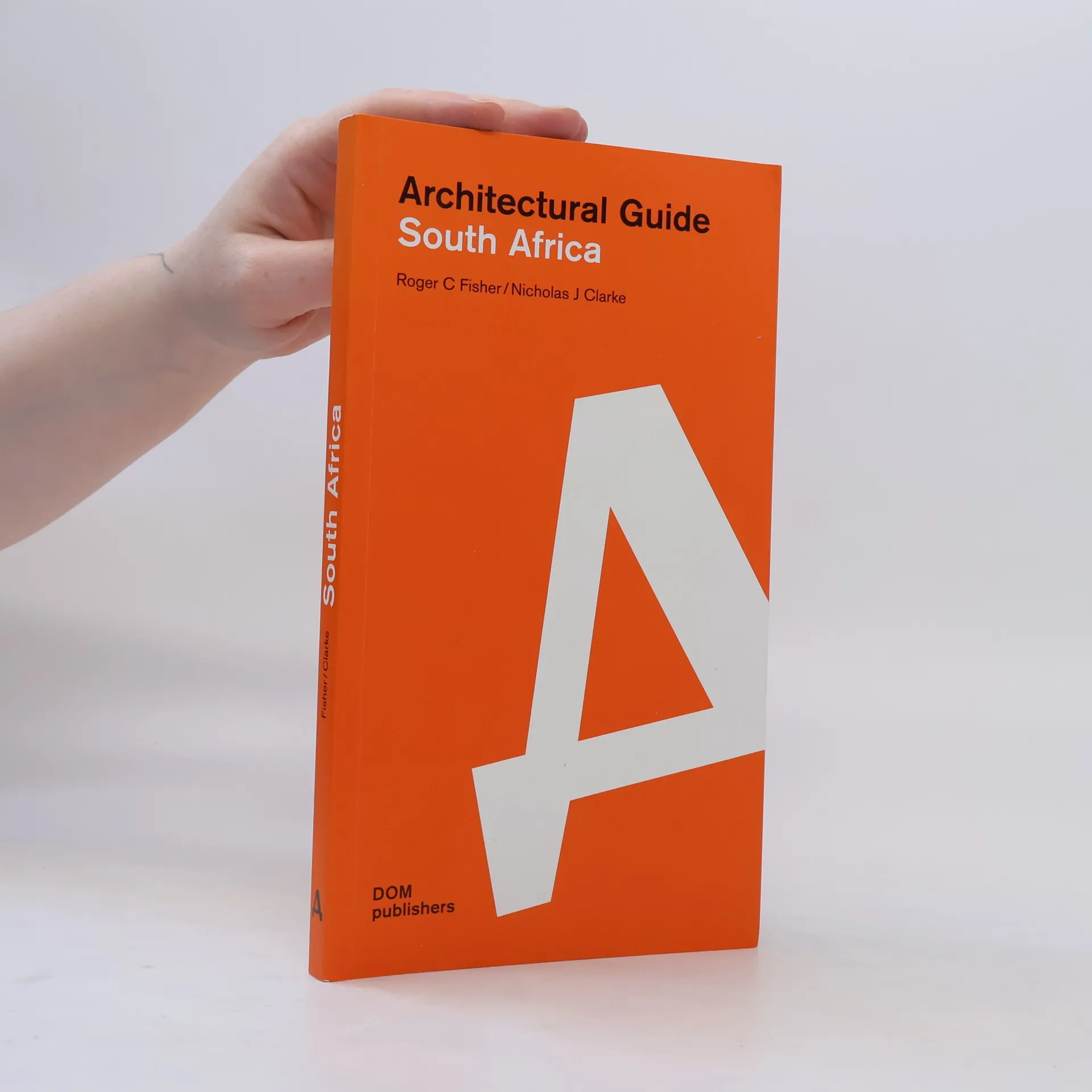

South Africa. Architectural Guide
Authors
More about the book
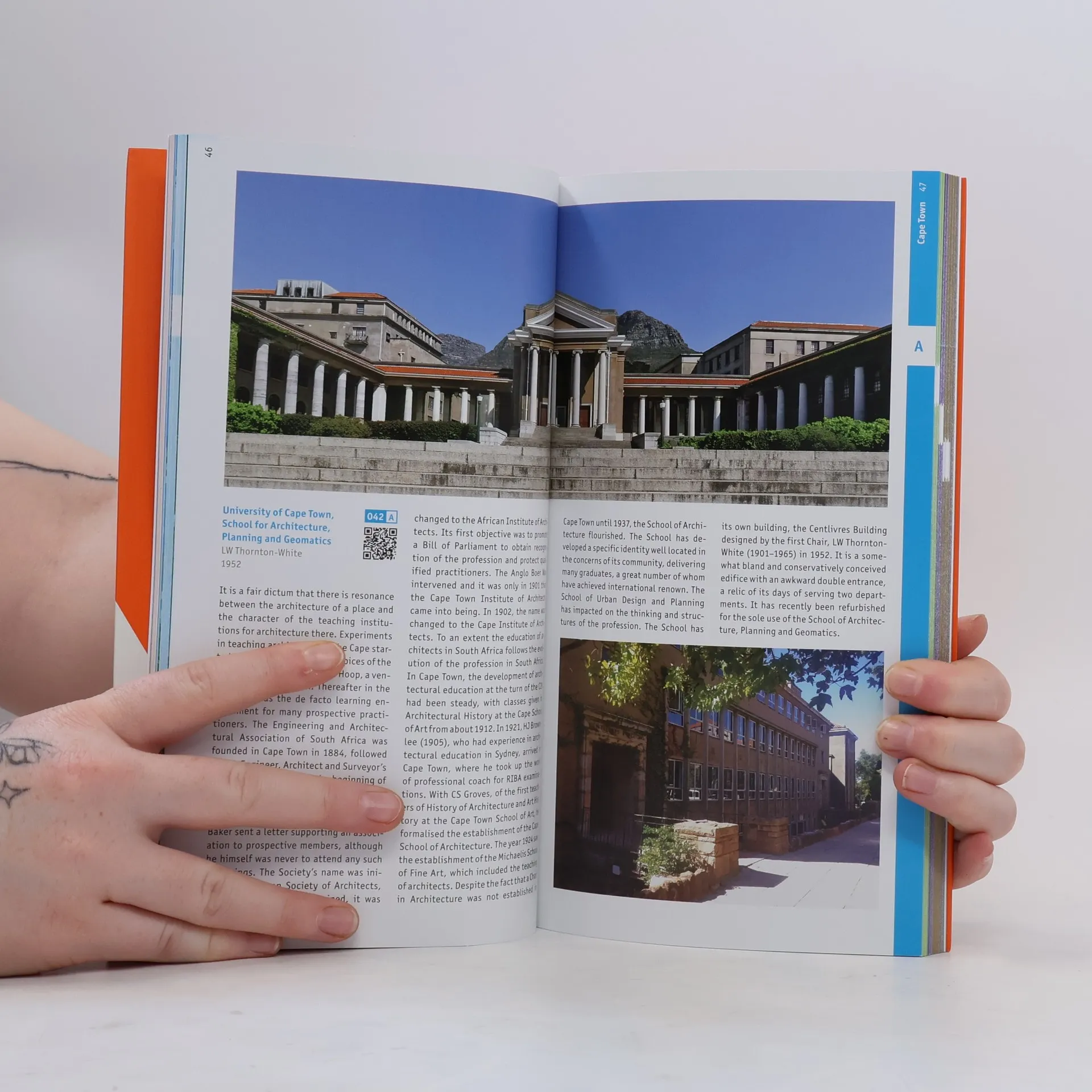
This guide is a celebration of the works of professional architects in three South African metropolitan centres, namely Cape Town, Durban and the Johannesburg/Pretoria Axis. The content ranges from the early years of European settlement, where architects were trained by the military schools of engineering, through the period of apprenticeship either to a recognised practicing architect or in public works, to the twentieth century and beyond, where architects were regulated as professionals by legislation, as was their education. The projects selected are all secular, being either in the public domain or eye, and therefore readily accessible. This guide is structured along main themes, each historically located. Each episode or project type featured is highlighted by a representative from each metropolitan centre, each being discussed in broader detail alongside similar contemporaneous local examples. In total the guide features over a hundred-and-fifty projects with all salient information as to their dates of construction, designers and locality (by way of QR codes)
Book purchase
South Africa. Architectural Guide, Nicholas Clarke
- Language

- Released
- 2014
- Binding
- (Paperback)
Payment methods
No one has rated yet.
- Title
- South Africa. Architectural Guide
- Language
- English
- Authors
- Nicholas Clarke
- Publisher
- Dom Publishers
- Released
- 2014
- Format
- Paperback
- Pages
- 250
- ISBN10
- 386922262X
- ISBN13
- 9783869222622
- Series
- Tags
- Architecture
- Description
- This guide is a celebration of the works of professional architects in three South African metropolitan centres, namely Cape Town, Durban and the Johannesburg/Pretoria Axis. The content ranges from the early years of European settlement, where architects were trained by the military schools of engineering, through the period of apprenticeship either to a recognised practicing architect or in public works, to the twentieth century and beyond, where architects were regulated as professionals by legislation, as was their education. The projects selected are all secular, being either in the public domain or eye, and therefore readily accessible. This guide is structured along main themes, each historically located. Each episode or project type featured is highlighted by a representative from each metropolitan centre, each being discussed in broader detail alongside similar contemporaneous local examples. In total the guide features over a hundred-and-fifty projects with all salient information as to their dates of construction, designers and locality (by way of QR codes)