

More about the book
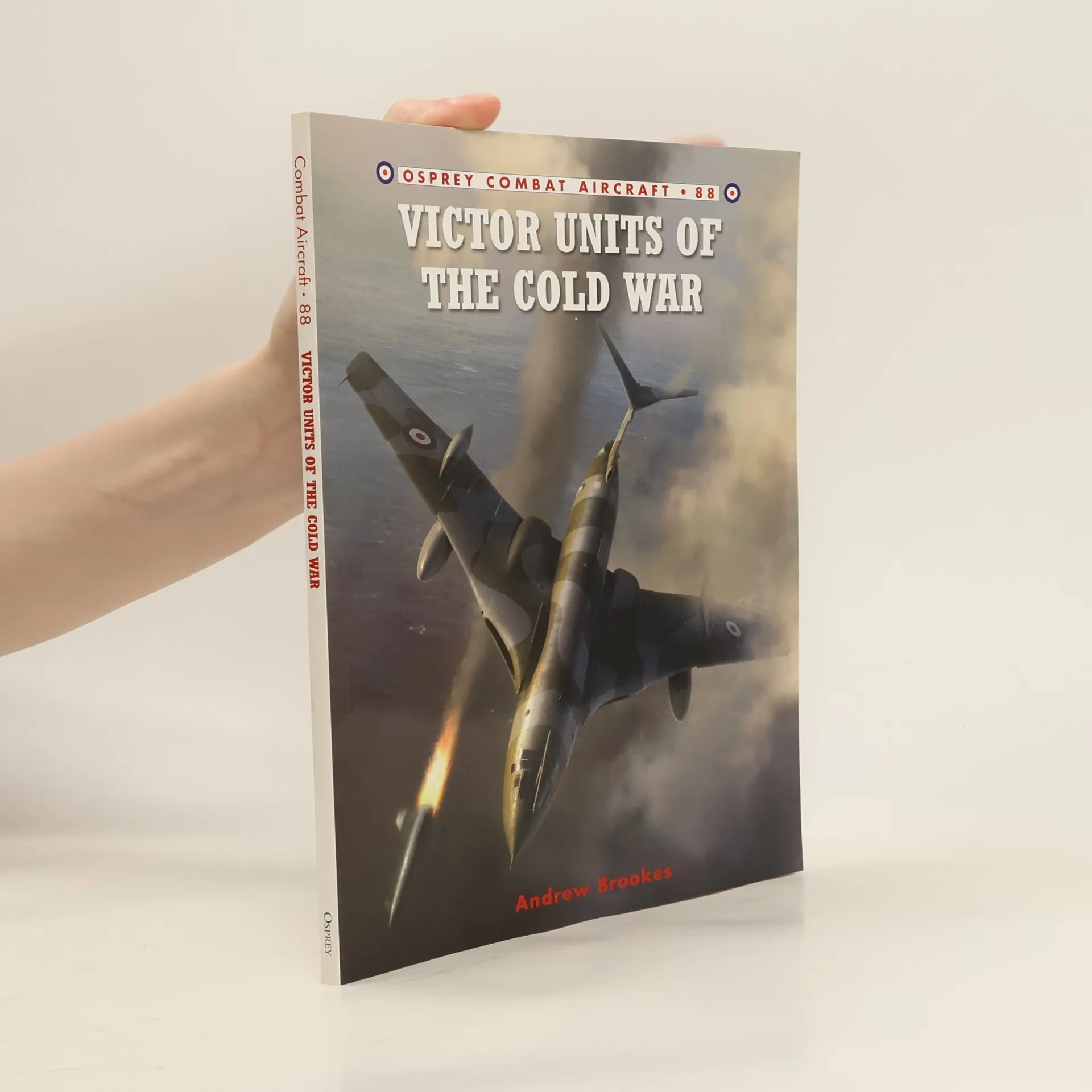
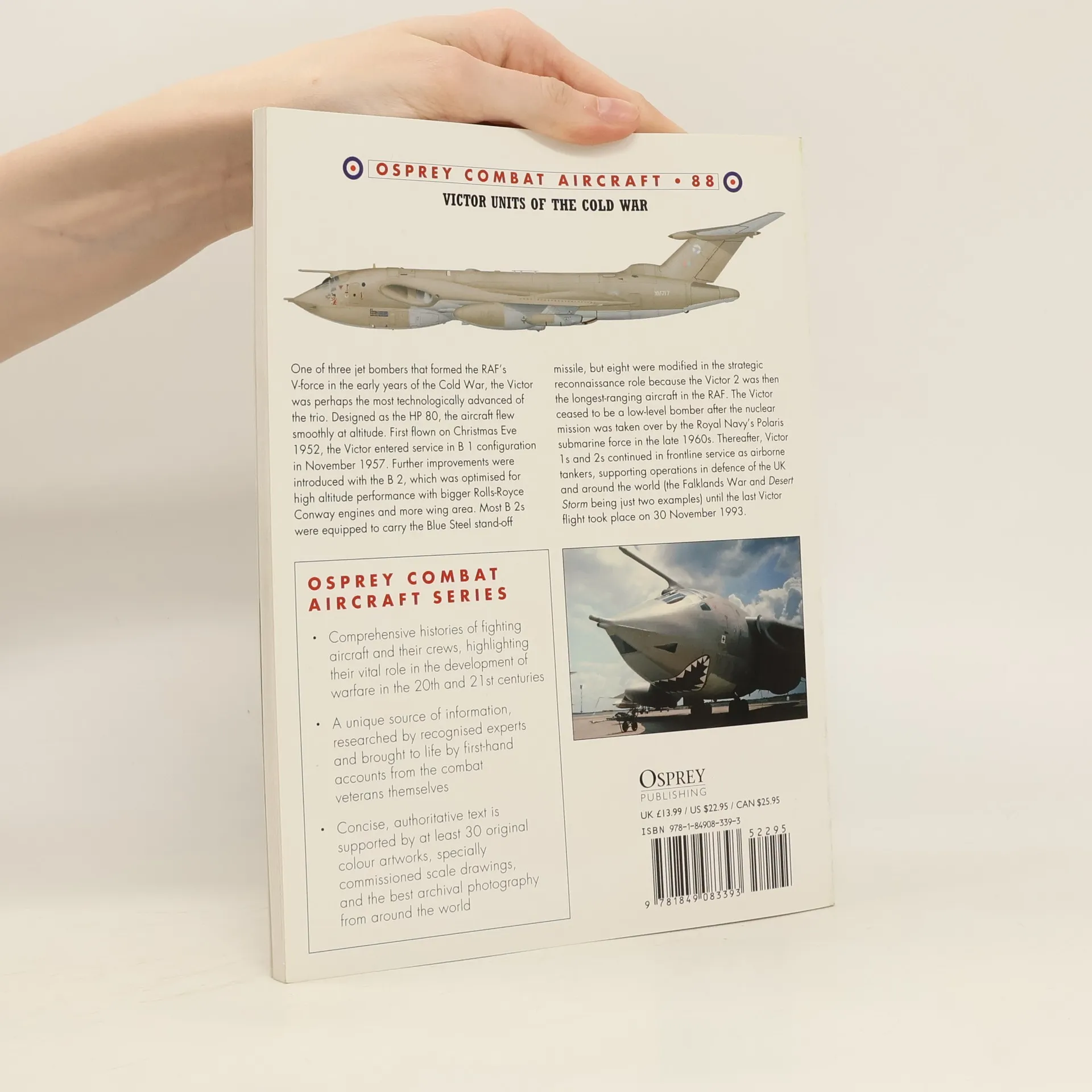
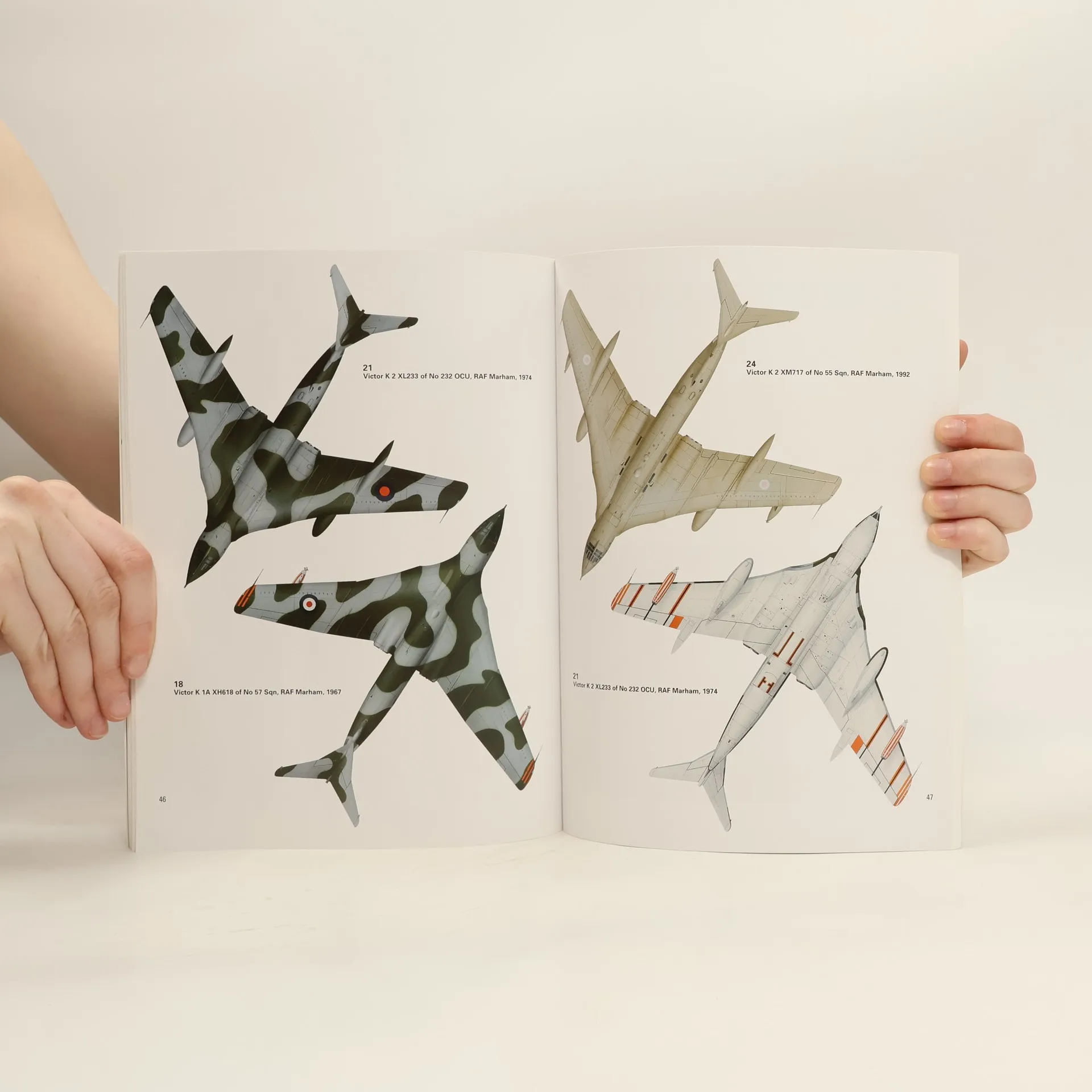
Of the three jet bombers that formed the RAF's V-Force in the early years of the Cold War (1946-1991), the Victor was perhaps the most technologically advanced. First flown on December 24, 1952, the Victor entered service in B 1 configuration in November 1957. Further improvements were introduced with the B 2, which was optimized for high altitude. Most B 2s were equipped to carry the Blue Steel stand-off missile, but eight were modified in the strategic reconnaissance role because the Victor 2 was then the longest-ranging aircraft in the RAF. The Victor ceased to be a low-level bomber after the nuclear mission was taken over by the Royal Navy's Polaris submarine force in the late 1960s. Thereafter, Victor 1s and 2s continued in frontline service as airborne tankers, supporting operations such as the Falklands War and the Gulf War until the last Victor flight took place on November 30, 1993.
Book purchase
Victor Units of the Cold War, Andrew Brookes
- Language

- Released
- 2011
- Binding
- (Paperback)
Payment methods
We’re missing your review here.
- Title
- Victor Units of the Cold War
- Language
- English
- Authors
- Andrew Brookes
- Publisher
- Bloomsbury Publishing PLC
- Released
- 2011
- Format
- Paperback
- Pages
- 96
- ISBN10
- 1849083398
- ISBN13
- 9781849083393
- Series
- Categories
- Rating
- 3.8 out of 5
- Description
- Of the three jet bombers that formed the RAF's V-Force in the early years of the Cold War (1946-1991), the Victor was perhaps the most technologically advanced. First flown on December 24, 1952, the Victor entered service in B 1 configuration in November 1957. Further improvements were introduced with the B 2, which was optimized for high altitude. Most B 2s were equipped to carry the Blue Steel stand-off missile, but eight were modified in the strategic reconnaissance role because the Victor 2 was then the longest-ranging aircraft in the RAF. The Victor ceased to be a low-level bomber after the nuclear mission was taken over by the Royal Navy's Polaris submarine force in the late 1960s. Thereafter, Victor 1s and 2s continued in frontline service as airborne tankers, supporting operations such as the Falklands War and the Gulf War until the last Victor flight took place on November 30, 1993.