

More about the book
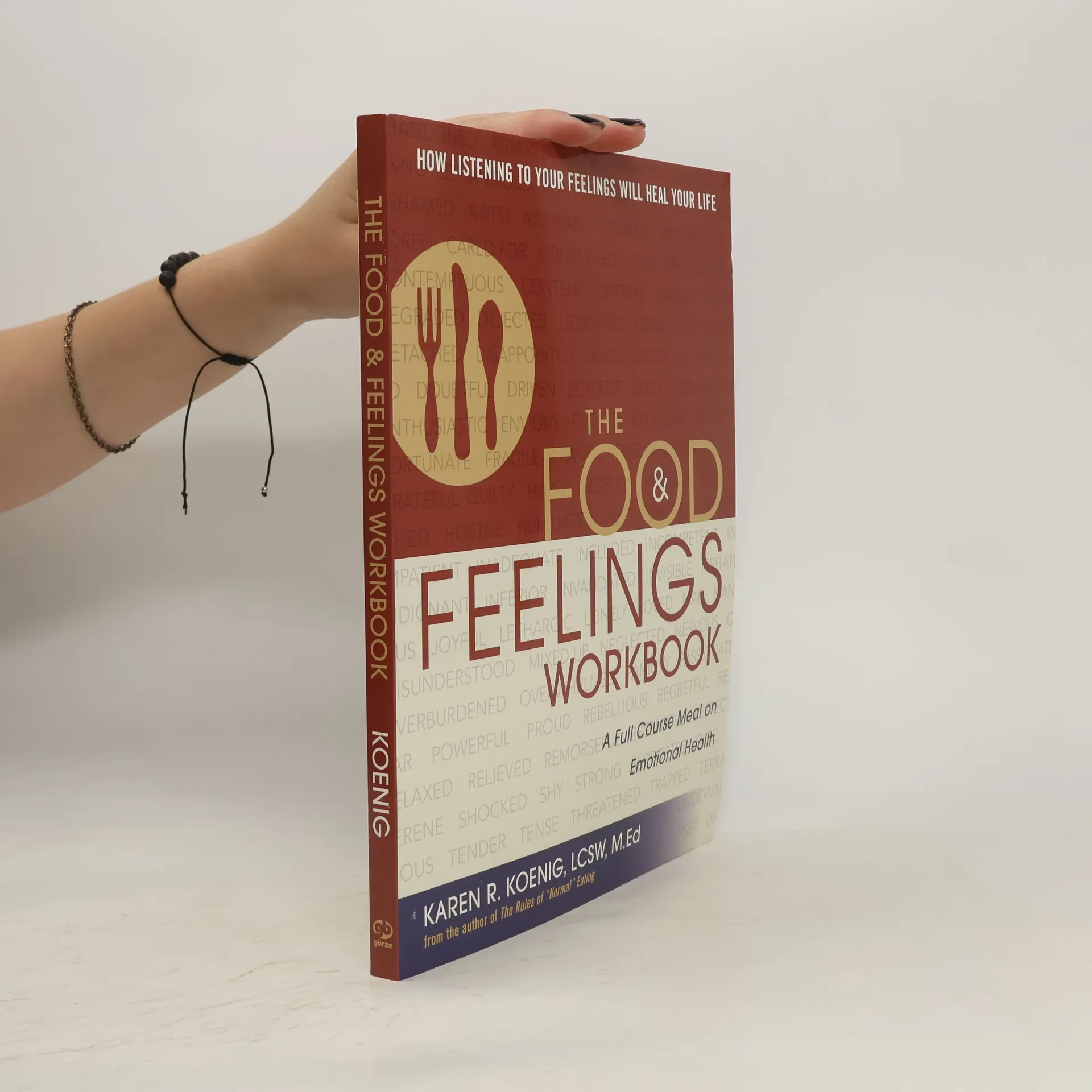
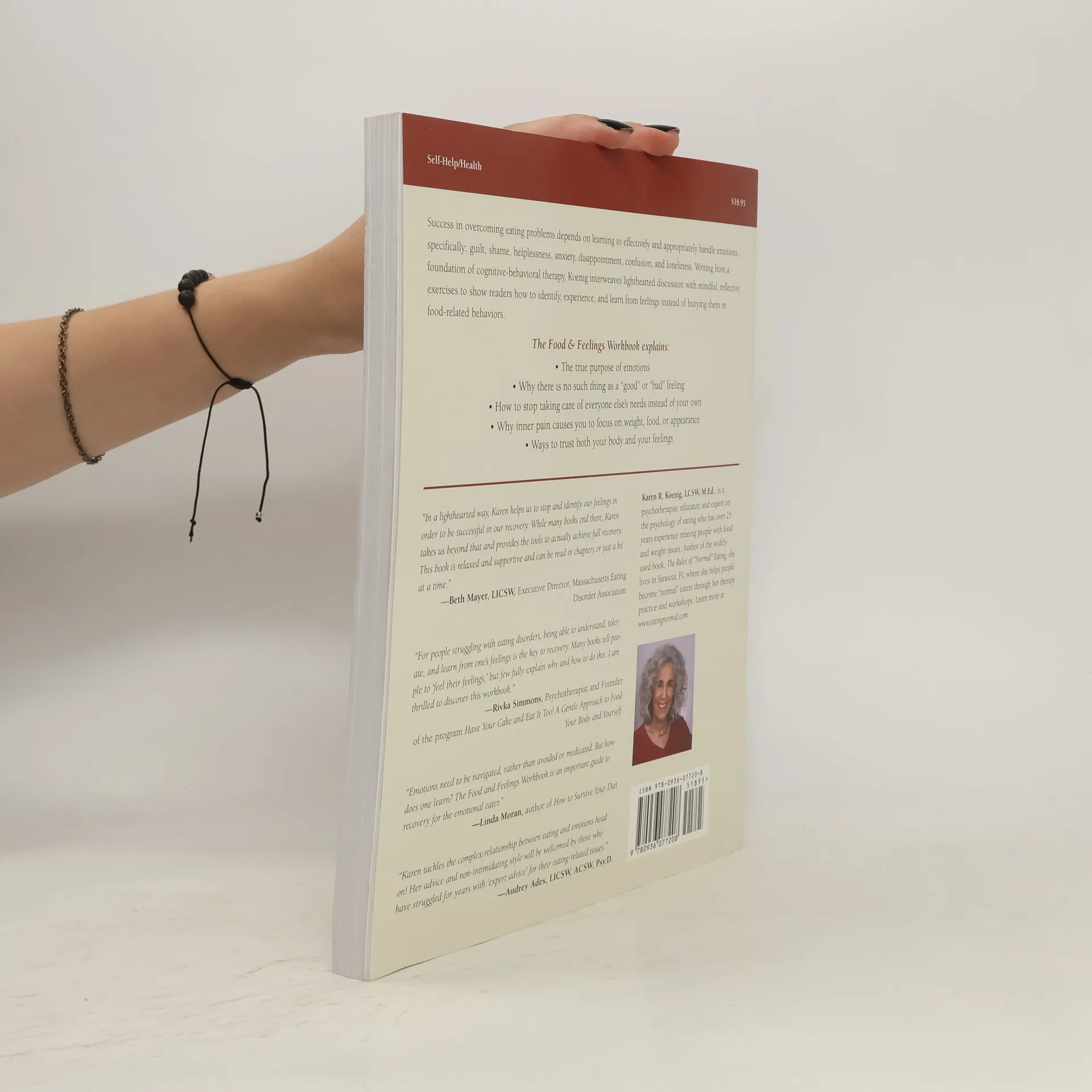
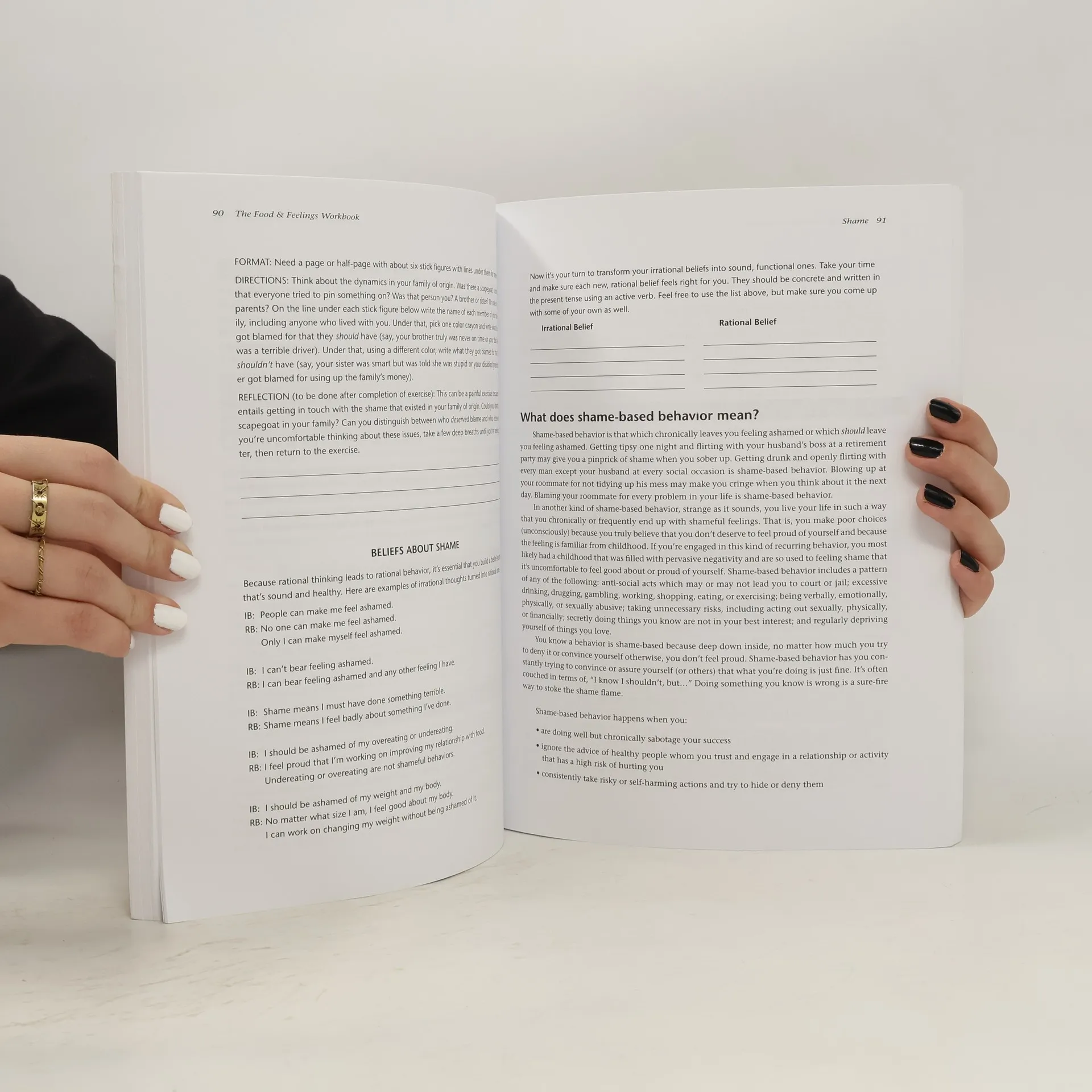
An extraordinary, powerful connection exists between feeling and feeding that, if damaged, may lead to one relying on food for emotional support, rather than seeking authentic happiness. This unique workbook takes on the seven emotions that plague problem eaters — guilt, shame, helplessness, anxiety, disappointment, confusion, and loneliness — and shows readers how to embrace and learn from their feelings. Written with honesty and humor, the book explains how to identify and label a specific emotion, the function of that emotion, and why the emotion drives food and eating problems. Each chapter has two sets of exercises: experiential exercises that relate to emotions and eating, and questionnaires that provoke thinking about and understanding feelings and their purpose. Supplemental pages help readers identify emotions and chart emotional development. The final part of the workbook focuses on strategies for disconnecting feeling from food, discovering emotional triggers, and using one’s feelings to get what one wants out of life.
Book purchase
The Food and Feelings Workbook, Karen R. Koenig, Paige O'Mahoney
- Language

- Released
- 2007
- Binding
- (Paperback)
Payment methods
We’re missing your review here.
- Title
- The Food and Feelings Workbook
- Language
- English
- Authors
- Karen R. Koenig, Paige O'Mahoney
- Publisher
- Gürze Books
- Released
- 2007
- Format
- Paperback
- Pages
- 214
- ISBN10
- 0936077204
- ISBN13
- 9780936077208
- Series
- Categories
- Rating
- 3.9 out of 5
- Description
- An extraordinary, powerful connection exists between feeling and feeding that, if damaged, may lead to one relying on food for emotional support, rather than seeking authentic happiness. This unique workbook takes on the seven emotions that plague problem eaters — guilt, shame, helplessness, anxiety, disappointment, confusion, and loneliness — and shows readers how to embrace and learn from their feelings. Written with honesty and humor, the book explains how to identify and label a specific emotion, the function of that emotion, and why the emotion drives food and eating problems. Each chapter has two sets of exercises: experiential exercises that relate to emotions and eating, and questionnaires that provoke thinking about and understanding feelings and their purpose. Supplemental pages help readers identify emotions and chart emotional development. The final part of the workbook focuses on strategies for disconnecting feeling from food, discovering emotional triggers, and using one’s feelings to get what one wants out of life.