


More about the book
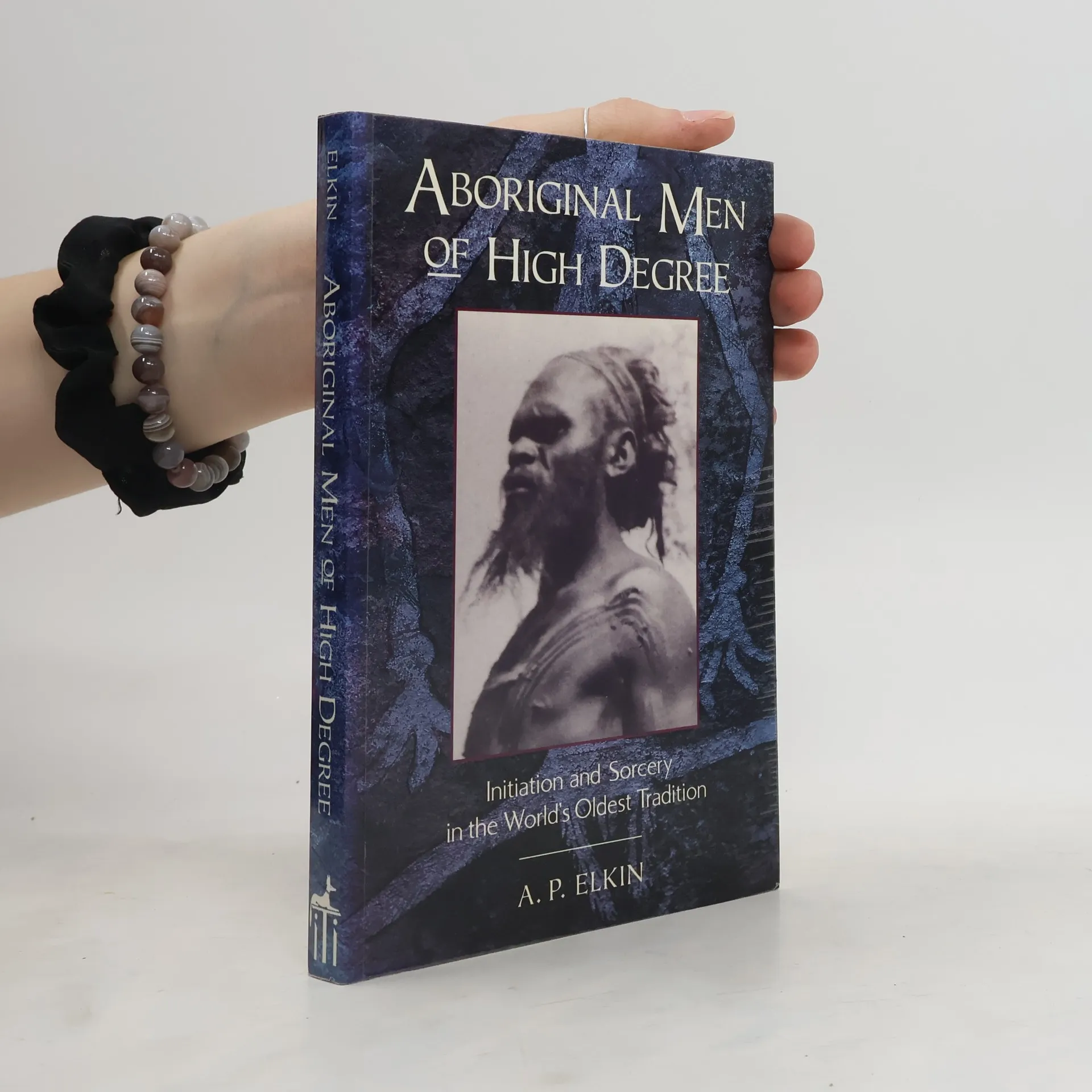
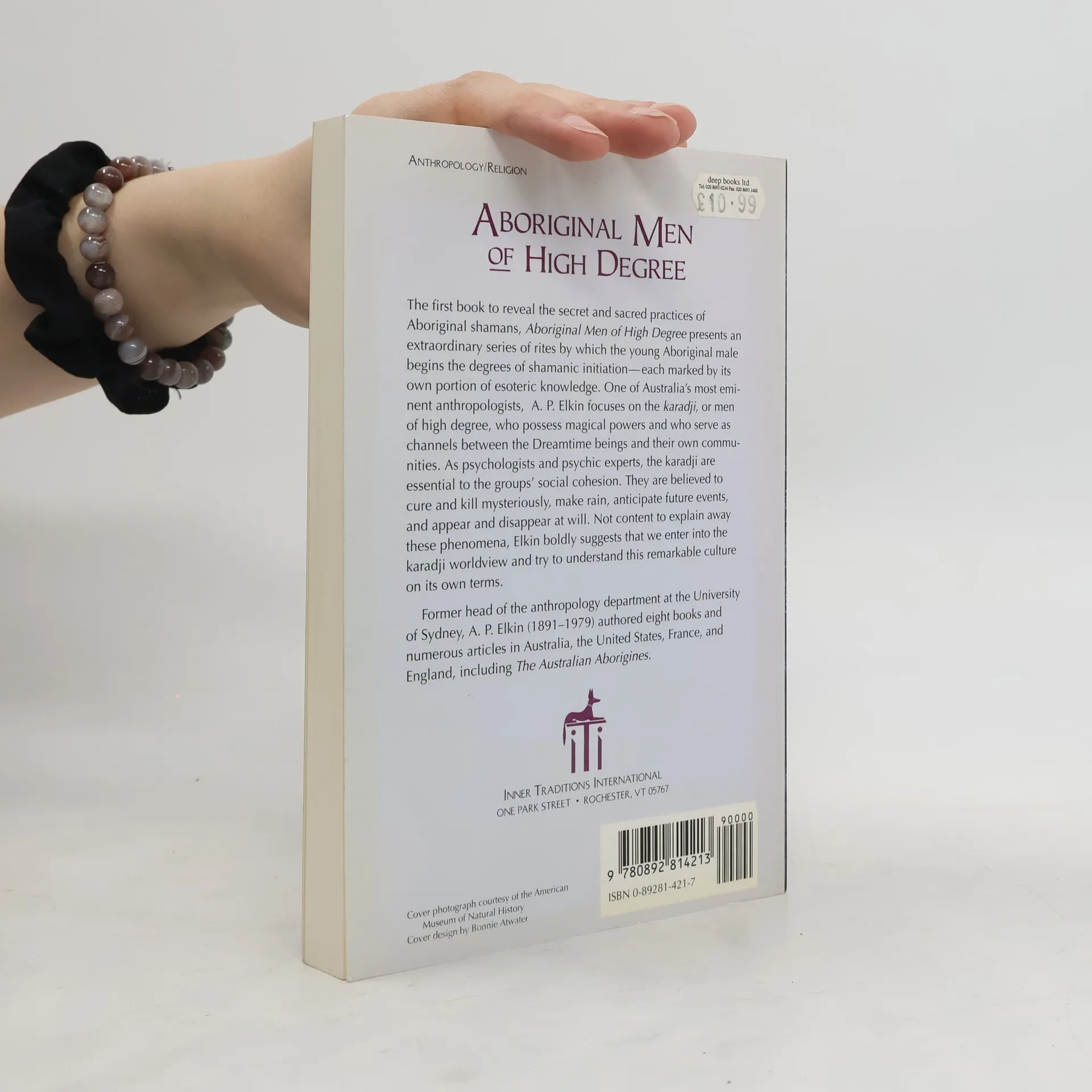
The first book to reveal the secret and sacred practices of Aboriginal shamans, Aboriginal Men of High Degree presents an extraordinary series of rites by which the young Aboriginal male begins the degrees of shamanic initiation - each marked by its own portion of esoteric knowledge. One of Australia's most eminent anthropologists, A. P. Elkin focuses on karadji, or men of high degree, who possess magical powers and who serve as channels between the Dreamtime beings and their own communities. As psychologists and psychic experts, the karadji are essential to the groups' social cohesion. They are believed to cure and kill mysteriously, make rain, anticipate future events, and appear and disappear at will. Not content to explain away these phenomena, Elkin boldly suggests that we enter into the karadji worldview and try to understand this remarkable culture on its own terms.
Book purchase
Aboriginal Men of High Degree, John Elkin
- Language

- Released
- 1993
- Binding
- (Paperback)
Payment methods
We’re missing your review here.
- Title
- Aboriginal Men of High Degree
- Language
- English
- Authors
- John Elkin
- Publisher
- Inner Traditions Bear and Company
- Released
- 1993
- Format
- Paperback
- Pages
- 224
- ISBN10
- 0892814217
- ISBN13
- 9780892814213
- Series
- Categories
- Rating
- 3.8 out of 5
- Description
- The first book to reveal the secret and sacred practices of Aboriginal shamans, Aboriginal Men of High Degree presents an extraordinary series of rites by which the young Aboriginal male begins the degrees of shamanic initiation - each marked by its own portion of esoteric knowledge. One of Australia's most eminent anthropologists, A. P. Elkin focuses on karadji, or men of high degree, who possess magical powers and who serve as channels between the Dreamtime beings and their own communities. As psychologists and psychic experts, the karadji are essential to the groups' social cohesion. They are believed to cure and kill mysteriously, make rain, anticipate future events, and appear and disappear at will. Not content to explain away these phenomena, Elkin boldly suggests that we enter into the karadji worldview and try to understand this remarkable culture on its own terms.