

More about the book
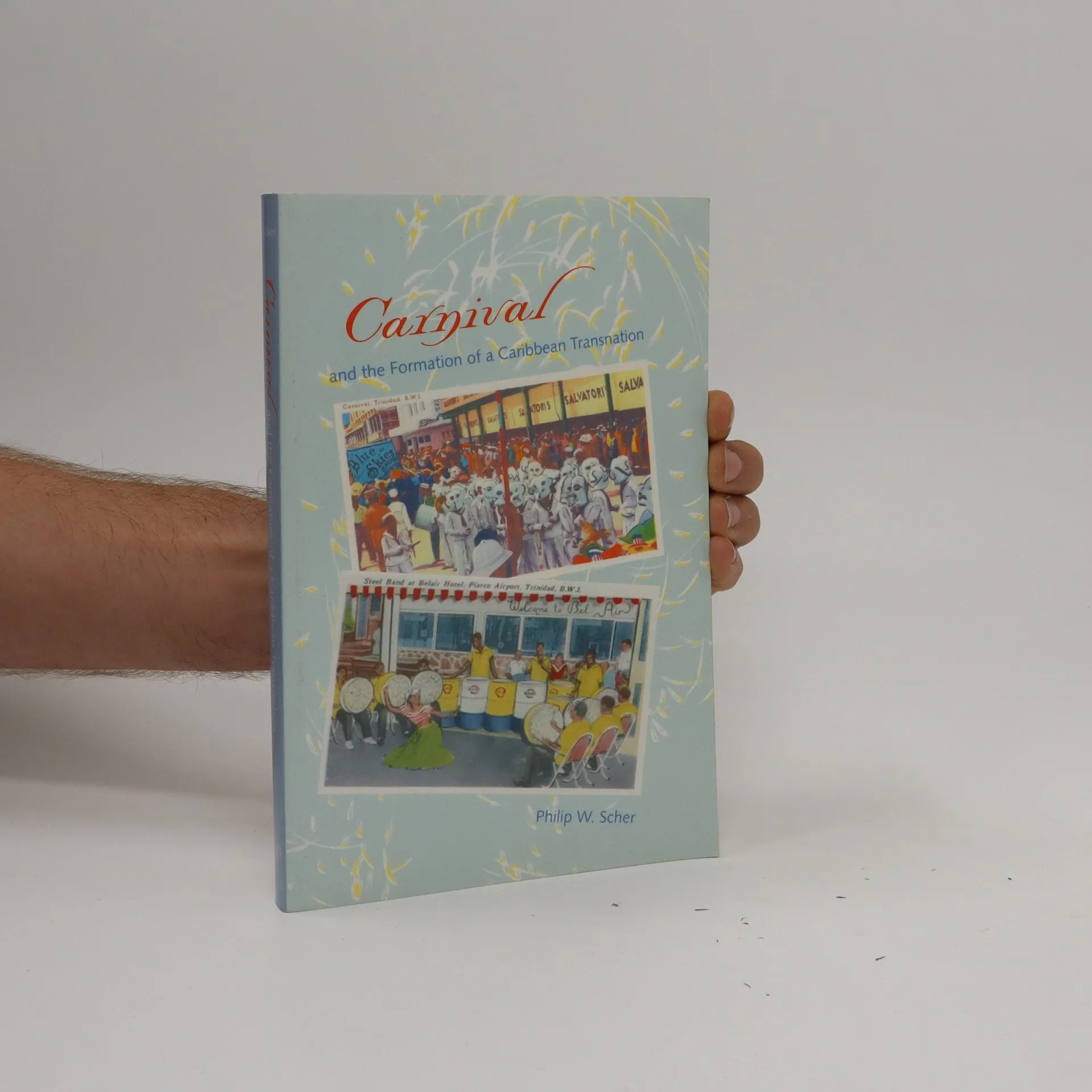
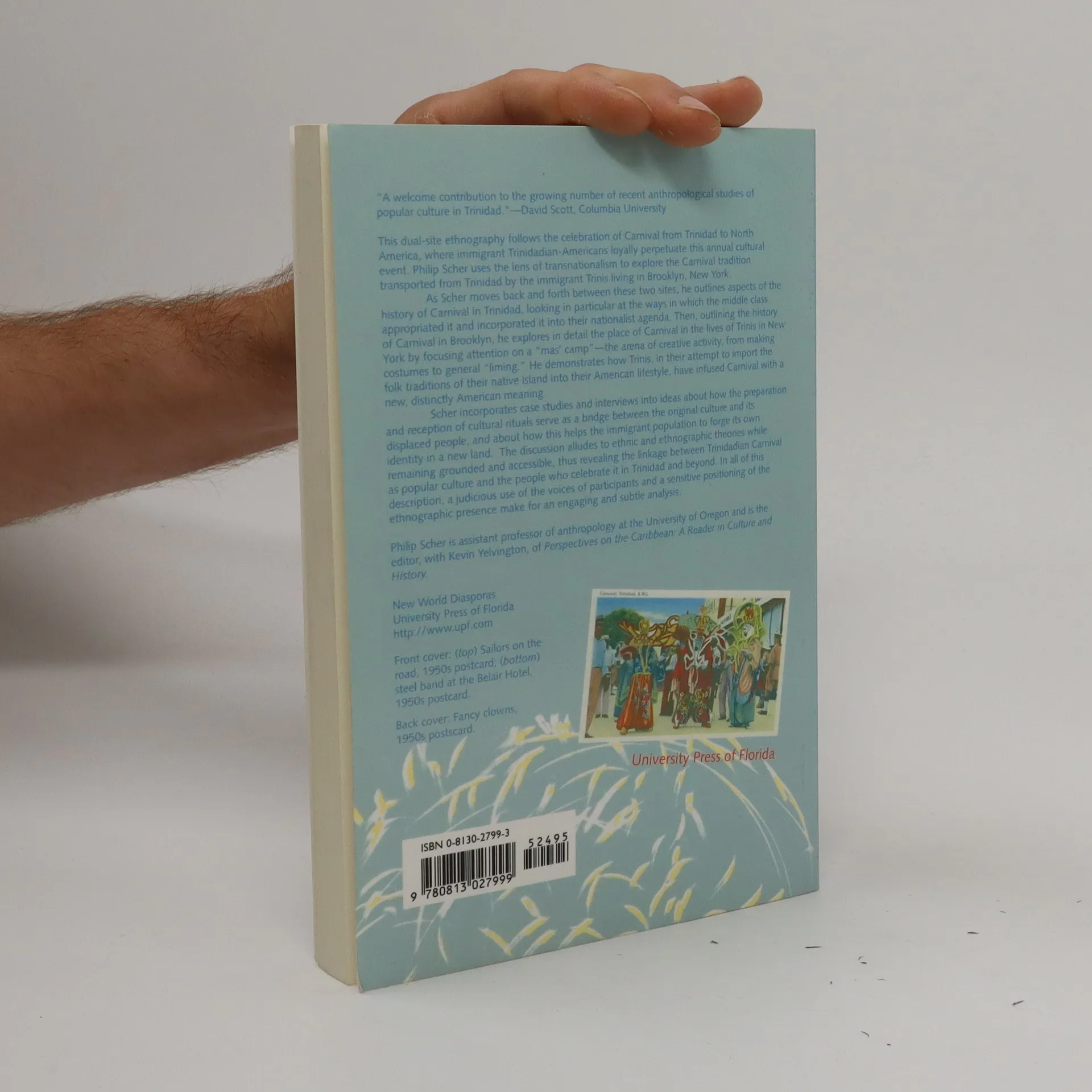
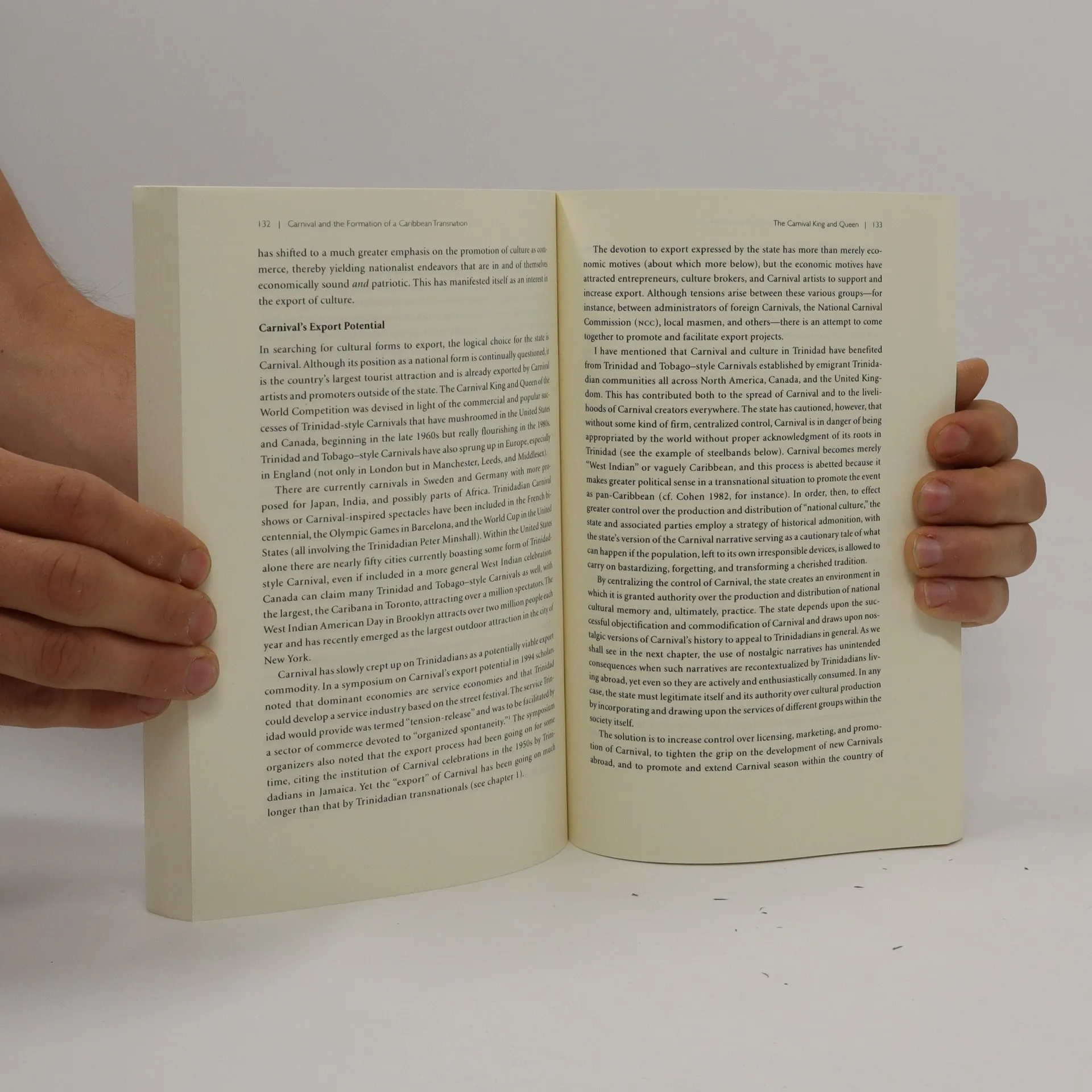
This dual-site ethnography examines the Carnival celebration as it transitions from Trinidad to North America, where Trinidadian-Americans maintain this cultural tradition. Using a transnationalism lens, the author explores how immigrant Trinis in Brooklyn preserve and adapt Carnival. The study traces the history of Carnival in Trinidad, highlighting its appropriation by the middle class and its integration into a nationalist agenda. In Brooklyn, the author focuses on a "mas' camp," a hub for creative activities like costume-making and socializing, illustrating how Trinis infuse Carnival with new American meanings while retaining ties to their homeland. Through case studies and interviews, the work discusses how cultural rituals facilitate connections between the original culture and its diaspora, aiding immigrants in forging their identities in a new environment. The analysis remains accessible while engaging with ethnic and ethnographic theories, revealing the relationship between Trinidadian Carnival as a form of popular culture and its celebrants both in Trinidad and abroad. The author’s careful incorporation of participant voices and thoughtful ethnographic positioning enhances the analysis, making it both engaging and insightful. Philip Scher is an assistant professor of anthropology at the University of Oregon.
Book purchase
Carnival and the formation of a Caribbean transnation, Philip W. Scher
- Language

- Released
- 2003
- Binding
- (Paperback)
Payment methods
We’re missing your review here.
- Title
- Carnival and the formation of a Caribbean transnation
- Language
- English
- Authors
- Philip W. Scher
- Publisher
- University Press of Florida
- Released
- 2003
- Format
- Paperback
- Pages
- 214
- ISBN10
- 0813027993
- ISBN13
- 9780813027999
- Series
- Tags
- Rating
- 4 out of 5
- Description
- This dual-site ethnography examines the Carnival celebration as it transitions from Trinidad to North America, where Trinidadian-Americans maintain this cultural tradition. Using a transnationalism lens, the author explores how immigrant Trinis in Brooklyn preserve and adapt Carnival. The study traces the history of Carnival in Trinidad, highlighting its appropriation by the middle class and its integration into a nationalist agenda. In Brooklyn, the author focuses on a "mas' camp," a hub for creative activities like costume-making and socializing, illustrating how Trinis infuse Carnival with new American meanings while retaining ties to their homeland. Through case studies and interviews, the work discusses how cultural rituals facilitate connections between the original culture and its diaspora, aiding immigrants in forging their identities in a new environment. The analysis remains accessible while engaging with ethnic and ethnographic theories, revealing the relationship between Trinidadian Carnival as a form of popular culture and its celebrants both in Trinidad and abroad. The author’s careful incorporation of participant voices and thoughtful ethnographic positioning enhances the analysis, making it both engaging and insightful. Philip Scher is an assistant professor of anthropology at the University of Oregon.