


More about the book
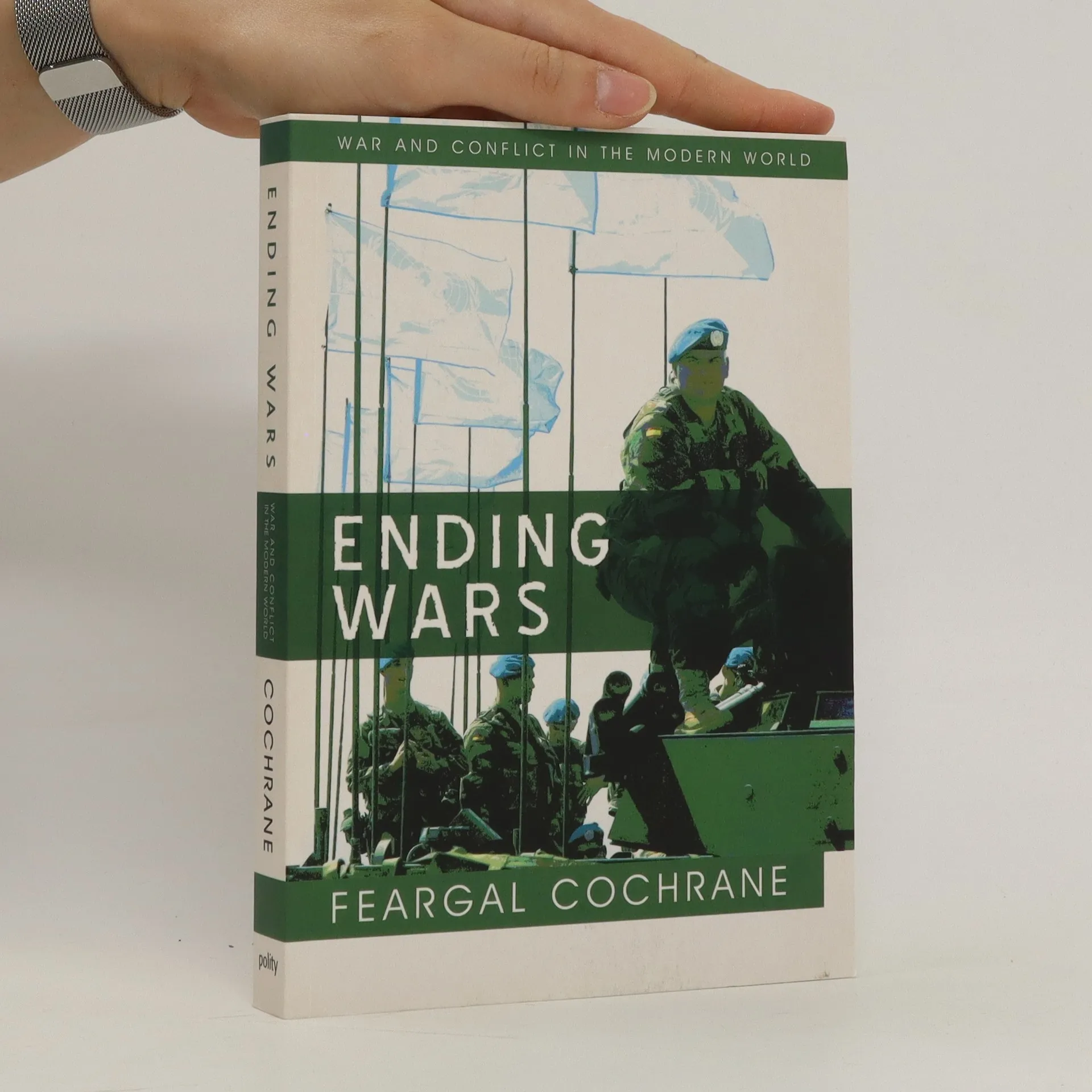
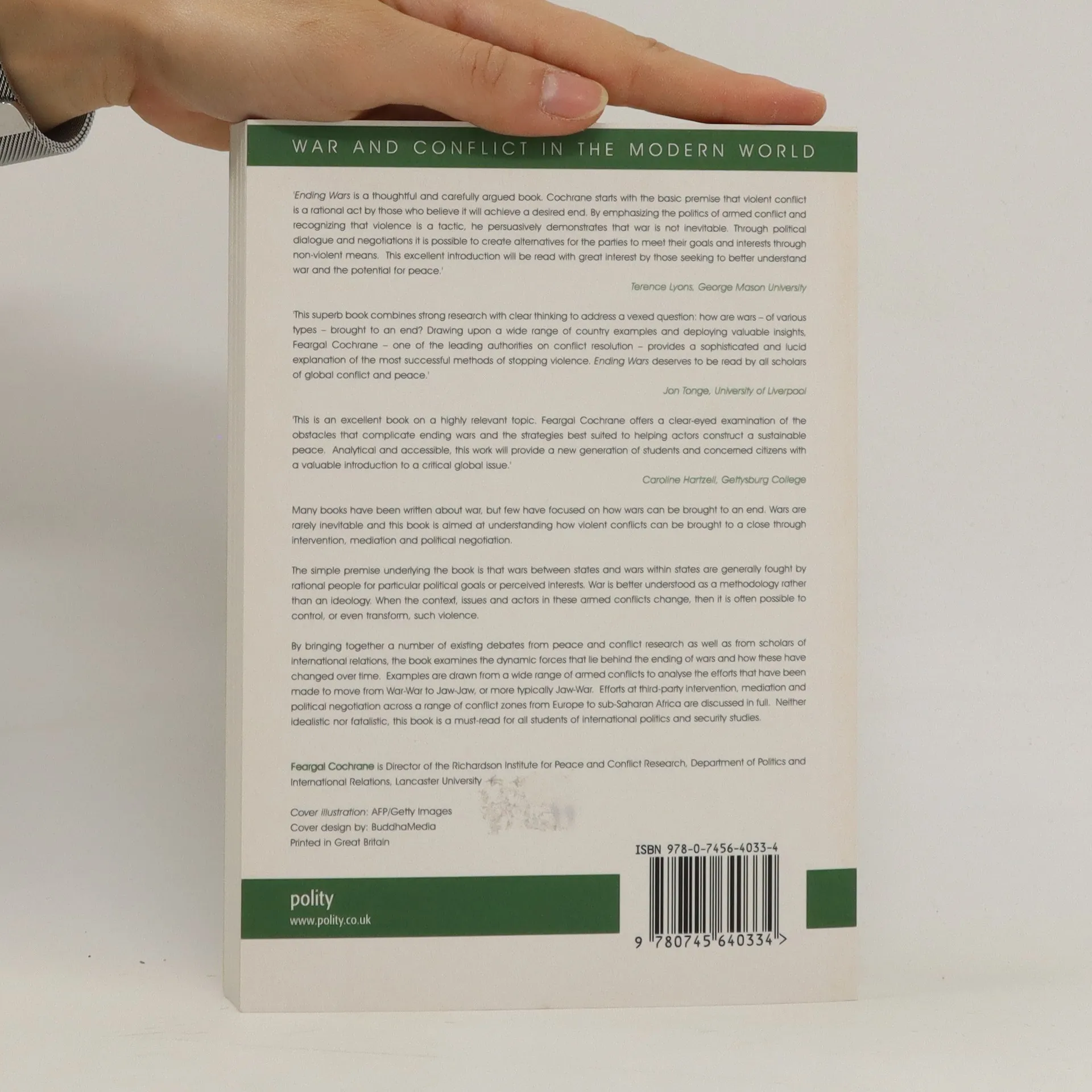
Many books have been written about war, but few have focused on how wars can be brought to an end. Wars are rarely inevitable however and this book is aimed at understanding how violent conflicts can be brought to a close through intervention, mediation and political negotiation. The simple premise underlying the book is that wars between states and wars within states are generally fought by rational people for particular political goals or perceived interests. War is better understood as a methodology rather than an ideology. When the context, issues and actors in these armed conflicts change then it is often possible to control, or even transform such violence. By bringing together a number of existing debates from peace and conflict research as well as scholars of international relations, the book examines the dynamic forces that lie behind the ending of wars and how these have changed over time. Examples are drawn from a wide range of armed conflicts to analyse the efforts that have been made to move from War-War to Jaw-Jaw, or more typically Jaw-War. Efforts at third-party intervention, mediation and political negotiation across a range of conflict zones from Europe to Sub-Saharan Africa are discussed in full. Neither idealistic nor fatalistic, this book is a must-read for all students of international politics and security studies.
Book purchase
Ending Wars, Feargal Cochrane
- Language

- Released
- 2008
- Binding
- (Paperback)
Payment methods
We’re missing your review here.
- Title
- Ending Wars
- Language
- English
- Authors
- Feargal Cochrane
- Publisher
- Polity Press
- Released
- 2008
- Format
- Paperback
- Pages
- 228
- ISBN10
- 0745640338
- ISBN13
- 9780745640334
- Series
- Rating
- 3.75 out of 5
- Description
- Many books have been written about war, but few have focused on how wars can be brought to an end. Wars are rarely inevitable however and this book is aimed at understanding how violent conflicts can be brought to a close through intervention, mediation and political negotiation. The simple premise underlying the book is that wars between states and wars within states are generally fought by rational people for particular political goals or perceived interests. War is better understood as a methodology rather than an ideology. When the context, issues and actors in these armed conflicts change then it is often possible to control, or even transform such violence. By bringing together a number of existing debates from peace and conflict research as well as scholars of international relations, the book examines the dynamic forces that lie behind the ending of wars and how these have changed over time. Examples are drawn from a wide range of armed conflicts to analyse the efforts that have been made to move from War-War to Jaw-Jaw, or more typically Jaw-War. Efforts at third-party intervention, mediation and political negotiation across a range of conflict zones from Europe to Sub-Saharan Africa are discussed in full. Neither idealistic nor fatalistic, this book is a must-read for all students of international politics and security studies.