

More about the book
Economic plants have been defined by SEPASAT as those plants that are utilised either directly or indirectly for the benefit of Man. Indirect usage includes the needs of Man's livestock and the maintenance of the environment; the benefits may be domestic, commercial or aesthetic. Economic plants constitute a large and so far uncalculated percentage of the quarter of a million higher plants in the World today. However, it has been calculated that 10% (25 000) of these species are now on the verge of extinction and extinction means that a genetic resource that could be of benefit to Man will be lost for ever. Furthermore, for every species lost an estimated 10-30 other dependent organisms are also doomed. Fewer than 1 per cent of the World's plants have been sufficiently well studied for a true evaluation of the potential floral wealth awaiting discovery, not only in the rain forests, which man is now actively destroying at a rate of 20 ha a minute, but also in the very much neglected dry areas of the World.
Book purchase
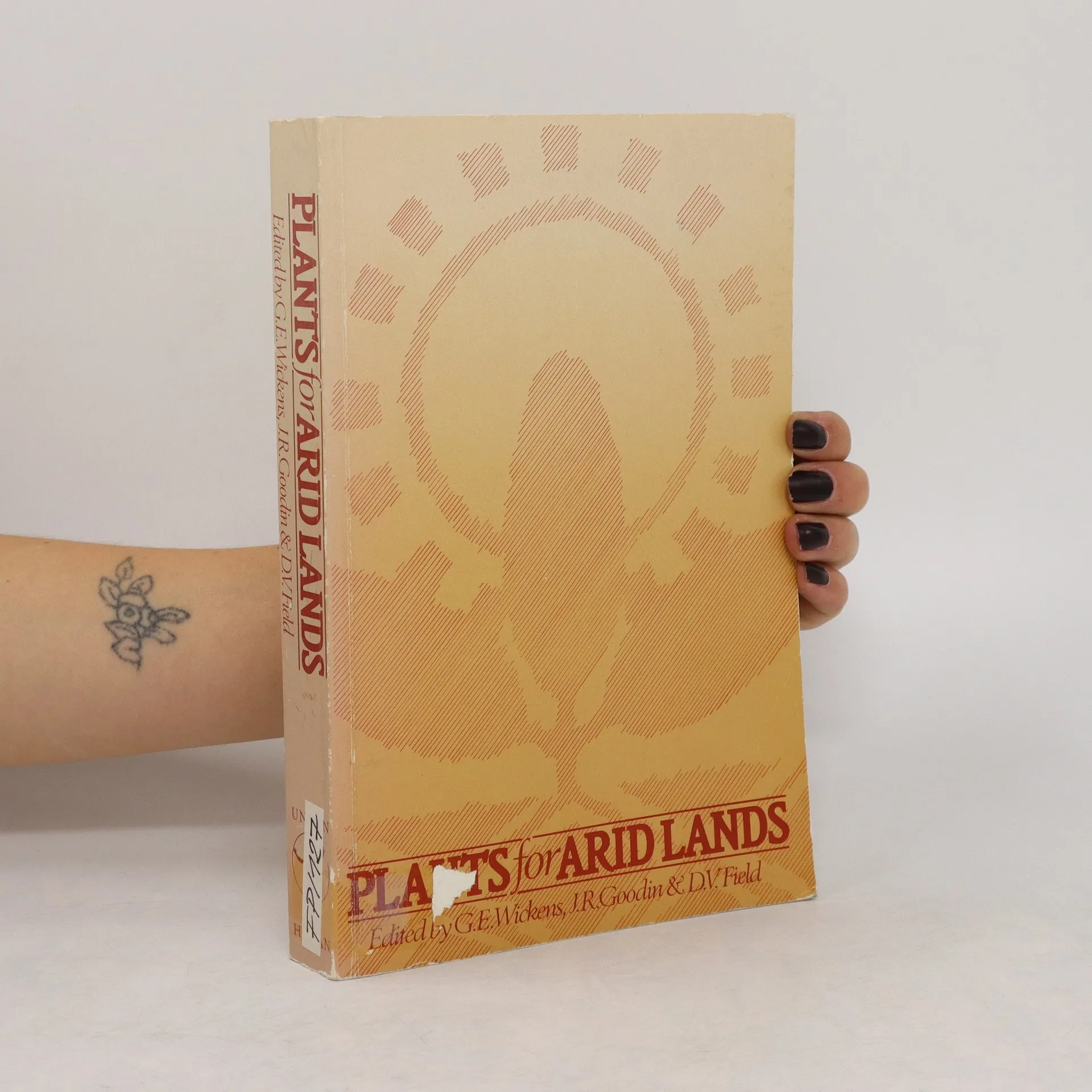
Plants for Arid Lands, G.E. Wickens, David. V. Field, Joe R. Goodin
- Language

- Released
- 1989
- Binding
- (Paperback)
Payment methods
No one has rated yet.
- Title
- Plants for Arid Lands
- Language
- English
- Authors
- G.E. Wickens, David. V. Field, Joe R. Goodin
- Publisher
- Springer
- Released
- 1989
- Format
- Paperback
- Pages
- 496
- ISBN10
- 0044453302
- ISBN13
- 9780044453307
- Series
- Categories
- Tags
- Natural sciences, Plants
- Description
- Economic plants have been defined by SEPASAT as those plants that are utilised either directly or indirectly for the benefit of Man. Indirect usage includes the needs of Man's livestock and the maintenance of the environment; the benefits may be domestic, commercial or aesthetic. Economic plants constitute a large and so far uncalculated percentage of the quarter of a million higher plants in the World today. However, it has been calculated that 10% (25 000) of these species are now on the verge of extinction and extinction means that a genetic resource that could be of benefit to Man will be lost for ever. Furthermore, for every species lost an estimated 10-30 other dependent organisms are also doomed. Fewer than 1 per cent of the World's plants have been sufficiently well studied for a true evaluation of the potential floral wealth awaiting discovery, not only in the rain forests, which man is now actively destroying at a rate of 20 ha a minute, but also in the very much neglected dry areas of the World.