

Parameters
- 180 pages
- 7 hours of reading
More about the book
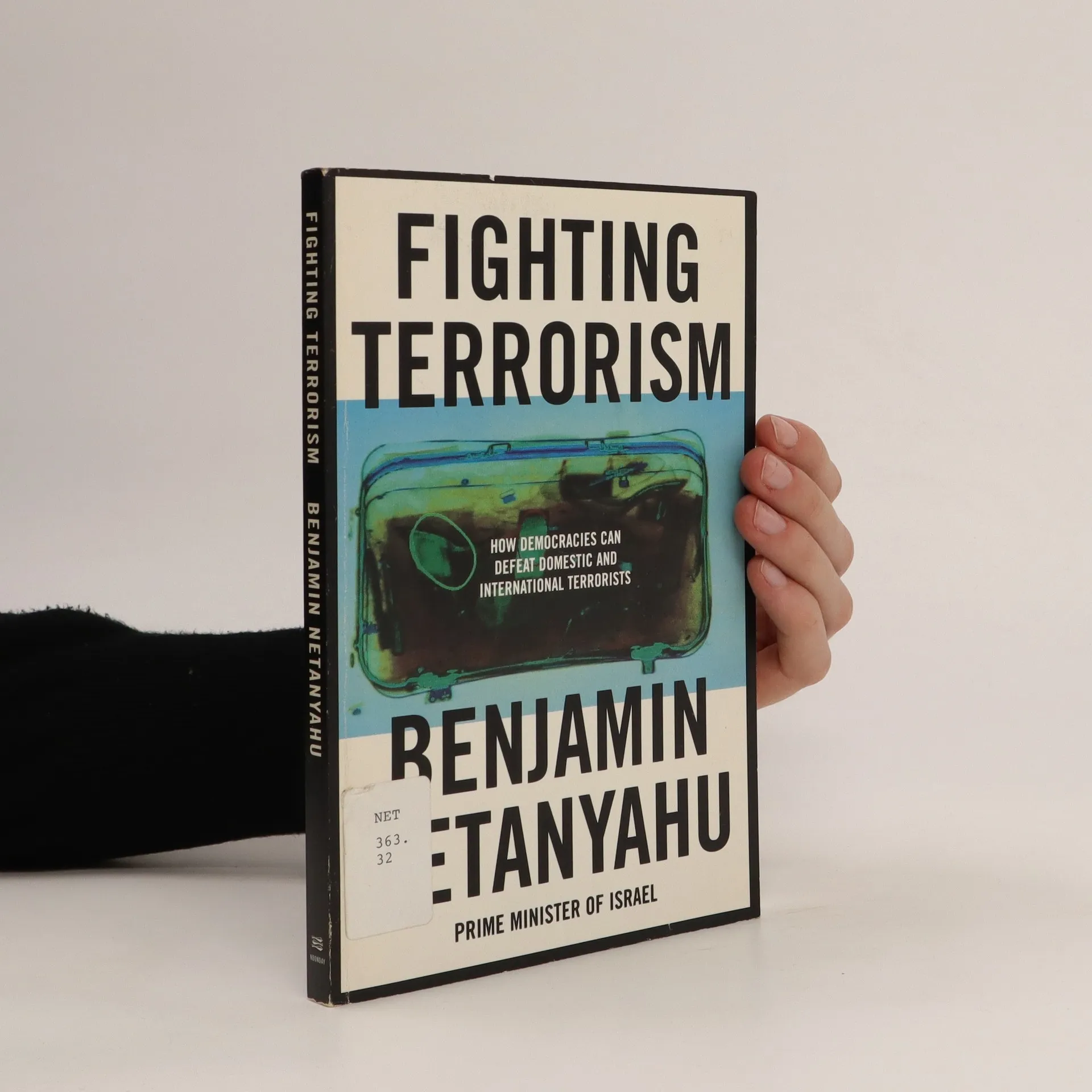
In this innovative and concise work, Israeli politician Benjamin Netanyahu offers a compelling approach to understanding and fighting the increase in domestic and international terrorism throughout the world. Citing diverse examples from around the globe, Netanyahu demonstrates that domestic terrorist groups are usually no match for an advanced technological society which can successfully roll back terror without any significant curtailment of civil liberties. But Netanyahu sees an even more potent threat from the new international terrorism which is increasingly the product of Islamic militants, who draw their inspiration and directives from Iran and its growing cadre of satellite states. The spread of fundamentalist Islamic terrorism, coupled with the possibility that Iran will acquire nuclear weapons, poses a more frightening threat from an adversary less rational and therefore less controllable than was Soviet Communism. How democracies can defend themselves against this new threat concludes this provocative book.
Book purchase
Fighting terrorism, Binyamin Netanyahu
- Language

- Released
- 1997
- Binding
- (Paperback)
Payment methods
We’re missing your review here.
- Title
- Fighting terrorism
- Language
- English
- Authors
- Binyamin Netanyahu
- Publisher
- Noonday Press
- Released
- 1997
- Format
- Paperback
- Pages
- 180
- ISBN10
- 0374524971
- ISBN13
- 9780374524975
- Series
- Categories
- Rating
- 3.6 out of 5
- Description
- In this innovative and concise work, Israeli politician Benjamin Netanyahu offers a compelling approach to understanding and fighting the increase in domestic and international terrorism throughout the world. Citing diverse examples from around the globe, Netanyahu demonstrates that domestic terrorist groups are usually no match for an advanced technological society which can successfully roll back terror without any significant curtailment of civil liberties. But Netanyahu sees an even more potent threat from the new international terrorism which is increasingly the product of Islamic militants, who draw their inspiration and directives from Iran and its growing cadre of satellite states. The spread of fundamentalist Islamic terrorism, coupled with the possibility that Iran will acquire nuclear weapons, poses a more frightening threat from an adversary less rational and therefore less controllable than was Soviet Communism. How democracies can defend themselves against this new threat concludes this provocative book.