

More about the book
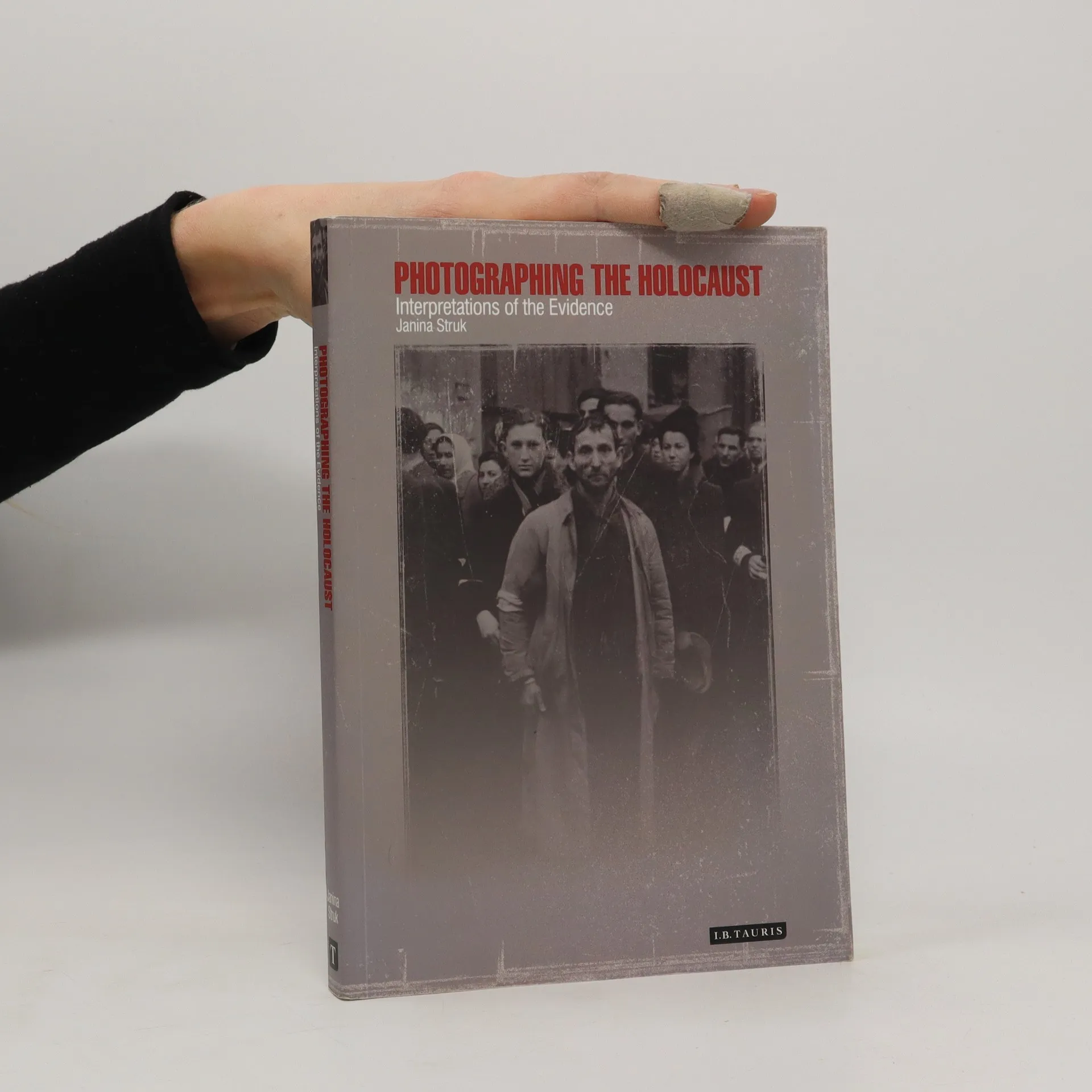
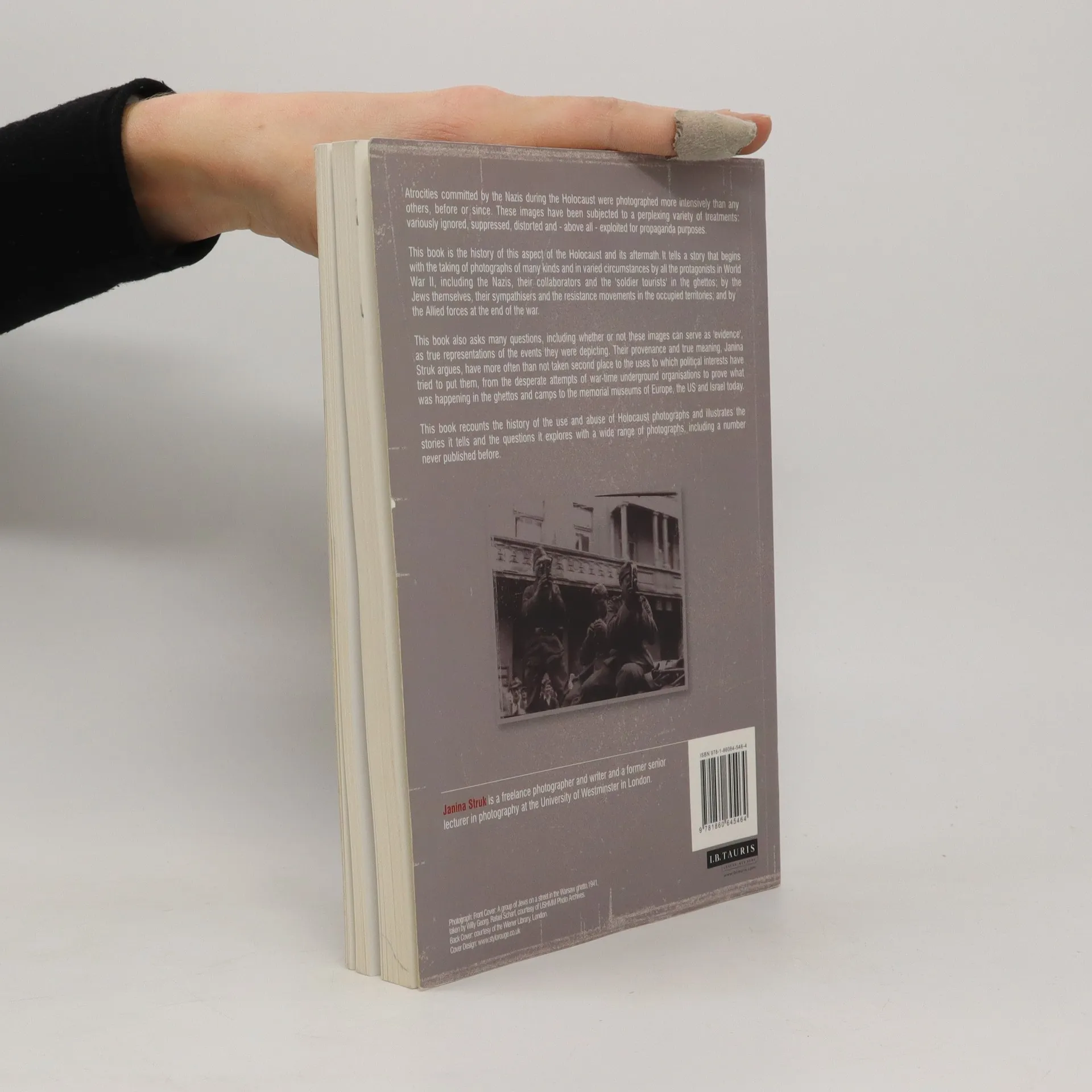
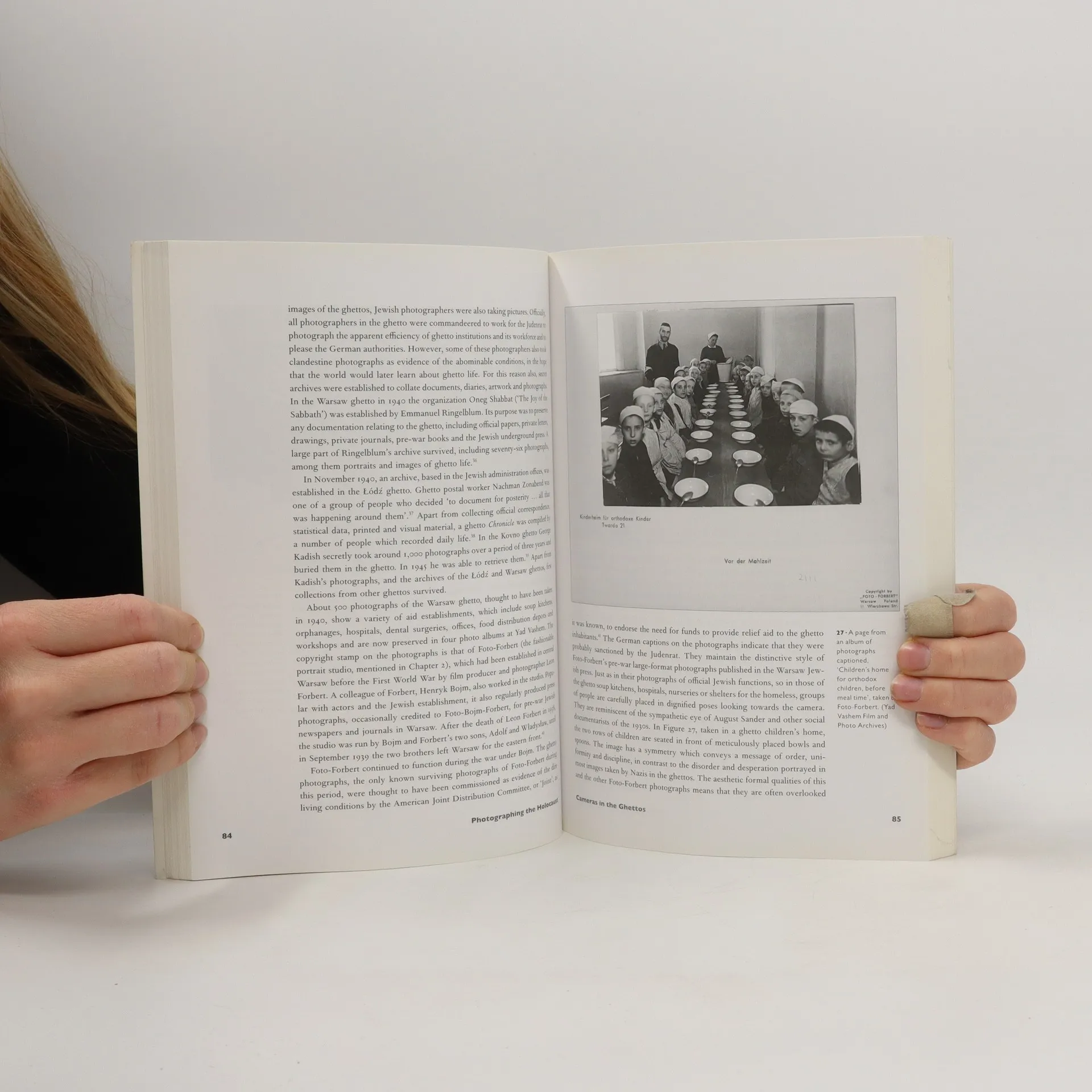
Atrocities committed by the Nazis during the Holocaust were photographed extensively. These images have been subjected to a perplexing variety of treatments: variously ignored, suppressed, distorted and--above all--exploited for propaganda purposes or political interest. This book examines the history of this aspect of the Holocaust--its aftermath and afterlife. Whether taken by Nazis or their collaborators, by Jews themselves, their sympathizers and the resistance movements in the occupied territories, or by Allied forces at the end of the war, Struk suggests that the provenance of these images has been seen as of secondary importance to their meaning and the political ends they have been used for--from the desperate attempts of the war-time underground, to the memorial museums of Europe, the US and Israel today. Struk recounts the history of the use and abuse of Holocaust photographs and asks whether or not these images can serve as "evidence", as true representations of the events they depict. The book is illustrated with a wide range of photographs, including some never before seen.
Book purchase
Photographing the holocaust interpretations of the evidence, Janina Struk
- Language

- Released
- 2011
- Binding
- (Paperback)
Payment methods
We’re missing your review here.
- Title
- Photographing the holocaust interpretations of the evidence
- Language
- English
- Authors
- Janina Struk
- Publisher
- I.B. Tauris
- Released
- 2011
- Format
- Paperback
- Pages
- 256
- ISBN10
- 1860645461
- ISBN13
- 9781860645464
- Series
- Rating
- 3.95 out of 5
- Description
- Atrocities committed by the Nazis during the Holocaust were photographed extensively. These images have been subjected to a perplexing variety of treatments: variously ignored, suppressed, distorted and--above all--exploited for propaganda purposes or political interest. This book examines the history of this aspect of the Holocaust--its aftermath and afterlife. Whether taken by Nazis or their collaborators, by Jews themselves, their sympathizers and the resistance movements in the occupied territories, or by Allied forces at the end of the war, Struk suggests that the provenance of these images has been seen as of secondary importance to their meaning and the political ends they have been used for--from the desperate attempts of the war-time underground, to the memorial museums of Europe, the US and Israel today. Struk recounts the history of the use and abuse of Holocaust photographs and asks whether or not these images can serve as "evidence", as true representations of the events they depict. The book is illustrated with a wide range of photographs, including some never before seen.