


More about the book
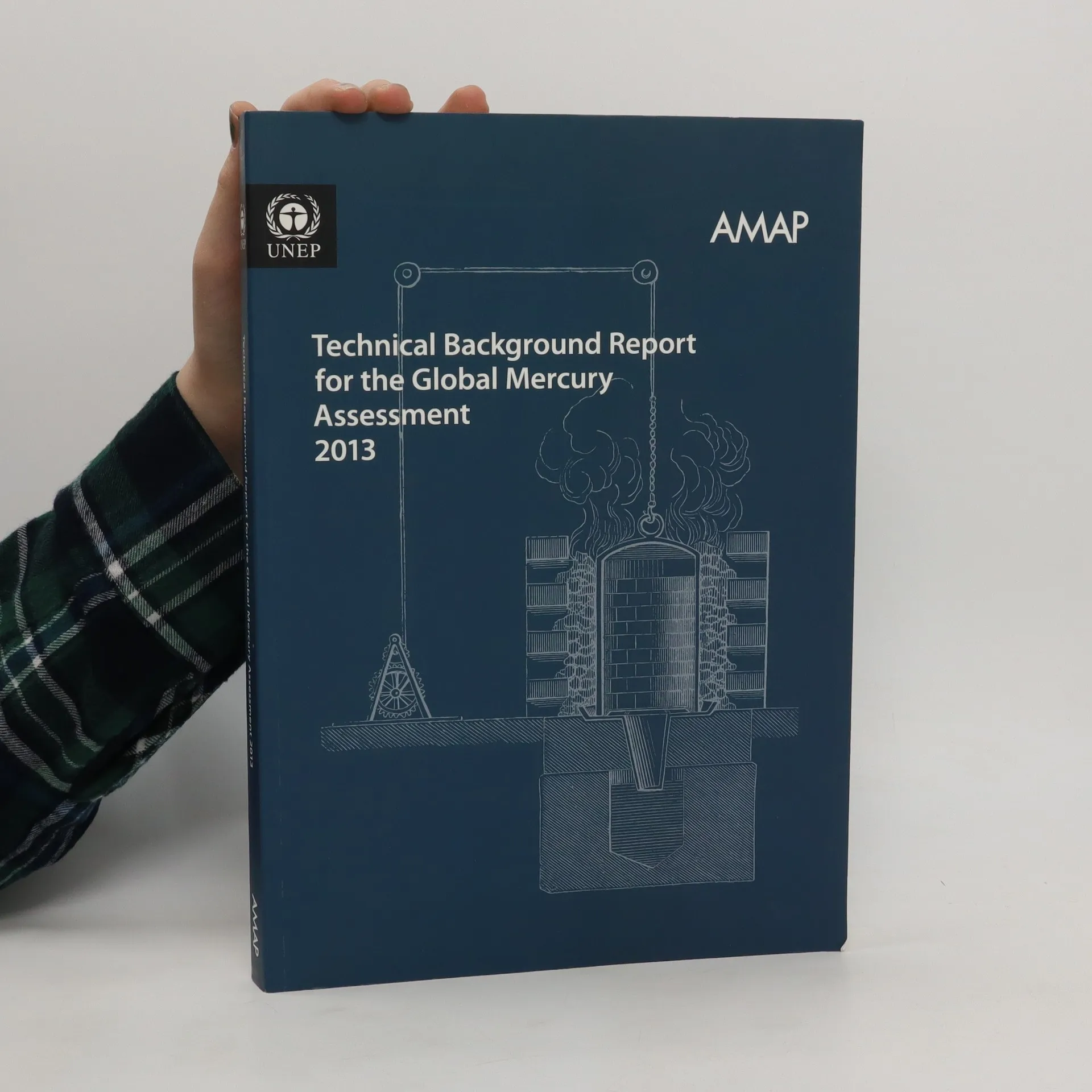
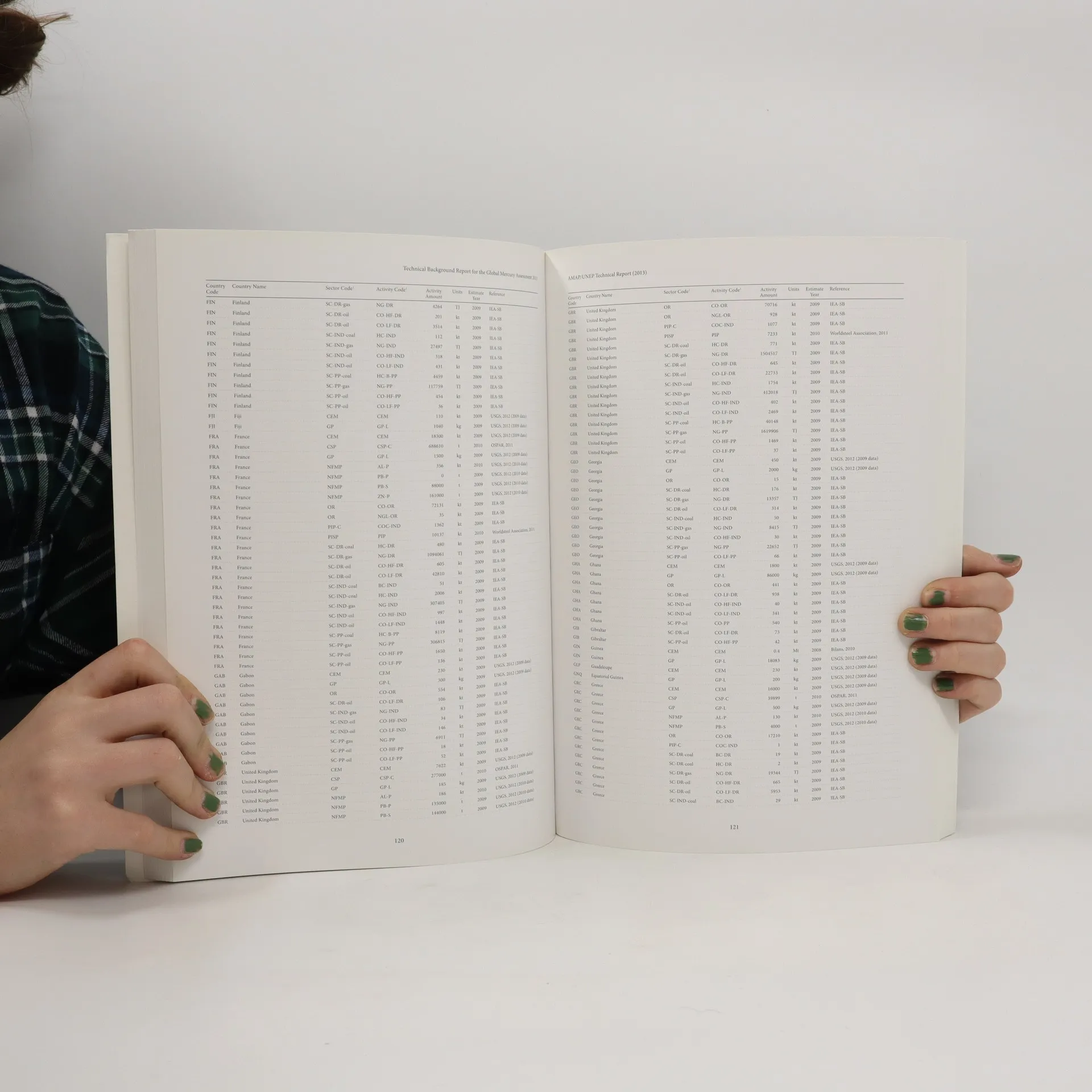
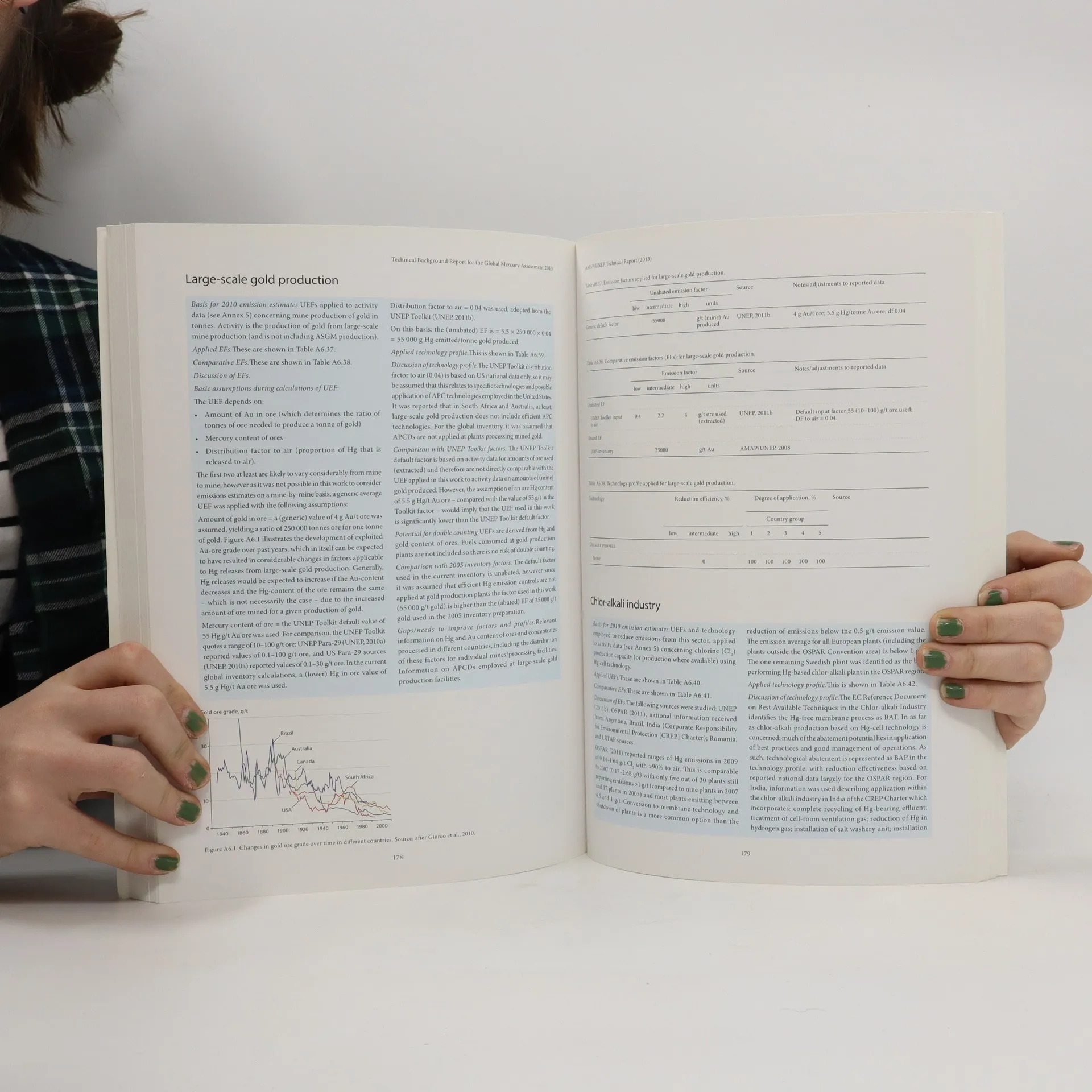
This report details the technical background to the Global Mercury Assessment 2013 - Sources, Emissions, Releases and Environmental Transport (summary for policy-makers) that has been developed in response to Decision 25/5 III, paragraph 36 of the Governing Council of the United Nations Environment Programme (UNEP), that: 'Request the Executive Director, in consultation with Governments, to update the 2008 report entitled Global Atmospheric Mercury Assessment: Sources, Emissions and Transport for consideration by the Governing Council / Global Ministerial Environment Forum at its twenty-seventh session.' This technical background report has been developed in collaboration with the Arctic Monitoring and Assessment Programme (AMAP). As such, this report also constitutes a contribution to the work of AMAP and the Arctic Council
Book purchase
Technical Background Report for the Global Mercury Assessment 2013, Various authors
- Language

- Released
- 2013
- Binding
- (Paperback)
Payment methods
No one has rated yet.
- Title
- Technical Background Report for the Global Mercury Assessment 2013
- Language
- English
- Authors
- Various authors
- Publisher
- UNEP Chemical Branch
- Released
- 2013
- Format
- Paperback
- Pages
- 271
- ISBN10
- 8279710809
- ISBN13
- 9788279710806
- Series
- Description
- This report details the technical background to the Global Mercury Assessment 2013 - Sources, Emissions, Releases and Environmental Transport (summary for policy-makers) that has been developed in response to Decision 25/5 III, paragraph 36 of the Governing Council of the United Nations Environment Programme (UNEP), that: 'Request the Executive Director, in consultation with Governments, to update the 2008 report entitled Global Atmospheric Mercury Assessment: Sources, Emissions and Transport for consideration by the Governing Council / Global Ministerial Environment Forum at its twenty-seventh session.' This technical background report has been developed in collaboration with the Arctic Monitoring and Assessment Programme (AMAP). As such, this report also constitutes a contribution to the work of AMAP and the Arctic Council