

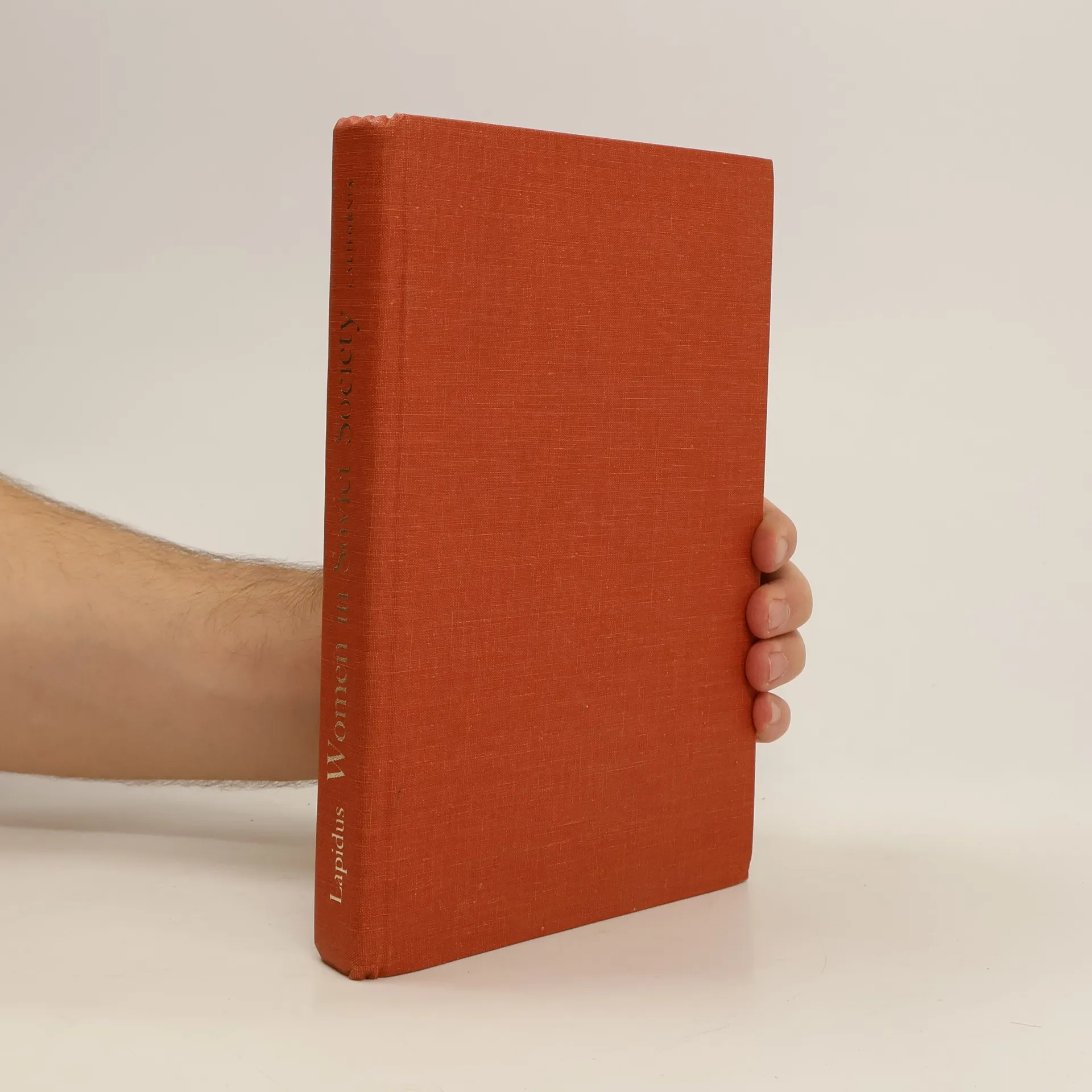
Women in Soviet Society
Equality, Development and Social Change
Authors
Book rating
Parameters
More about the book
"From the earliest years of the Soviet regime, deliberate transformation of the role of women in economic, political, and family life aimed at incorporating female mobilization into a larger strategy of national development. Addressing a neglected problem in the literature on modernization, the author brings an interdisciplinary approach to the analysis of the motivations, mechanisms, and consequences of the official Soviet commitment to female liberation, and its implications for the role of women in Soviet society today. She argues that Soviet policy was shaped less by the individualistic and libertarian concerns of nineteenth-century feminism or Marxism than by a strategy of modernization in which the transformation of women's roles was perceived by the Soviet leadership as the means of tapping a major economic and political resource. Bringing together the available data, the author analyzes the scope and limits of sexual equality in the Soviet system, and at the same time places the Soviet pattern in a broader historical and comparative perspective."--Jacket.
Book purchase
Women in Soviet Society, Gail Warshofsky Lapidus
- Language

- Released
- 1978
- Binding
- (Hardcover)
Payment methods
We’re missing your review here.
- Title
- Women in Soviet Society
- Subtitle
- Equality, Development and Social Change
- Language
- English
- Authors
- Gail Warshofsky Lapidus
- Publisher
- University of California Press
- Released
- 1978
- Format
- Hardcover
- ISBN10
- 0520028686
- ISBN13
- 9780520028685
- Series
- Categories
- Tags
- Women, Feminism, Russia, Soviet Union
- Rating
- 3.5 out of 5
- Description
- "From the earliest years of the Soviet regime, deliberate transformation of the role of women in economic, political, and family life aimed at incorporating female mobilization into a larger strategy of national development. Addressing a neglected problem in the literature on modernization, the author brings an interdisciplinary approach to the analysis of the motivations, mechanisms, and consequences of the official Soviet commitment to female liberation, and its implications for the role of women in Soviet society today. She argues that Soviet policy was shaped less by the individualistic and libertarian concerns of nineteenth-century feminism or Marxism than by a strategy of modernization in which the transformation of women's roles was perceived by the Soviet leadership as the means of tapping a major economic and political resource. Bringing together the available data, the author analyzes the scope and limits of sexual equality in the Soviet system, and at the same time places the Soviet pattern in a broader historical and comparative perspective."--Jacket.