

Parameters
More about the book
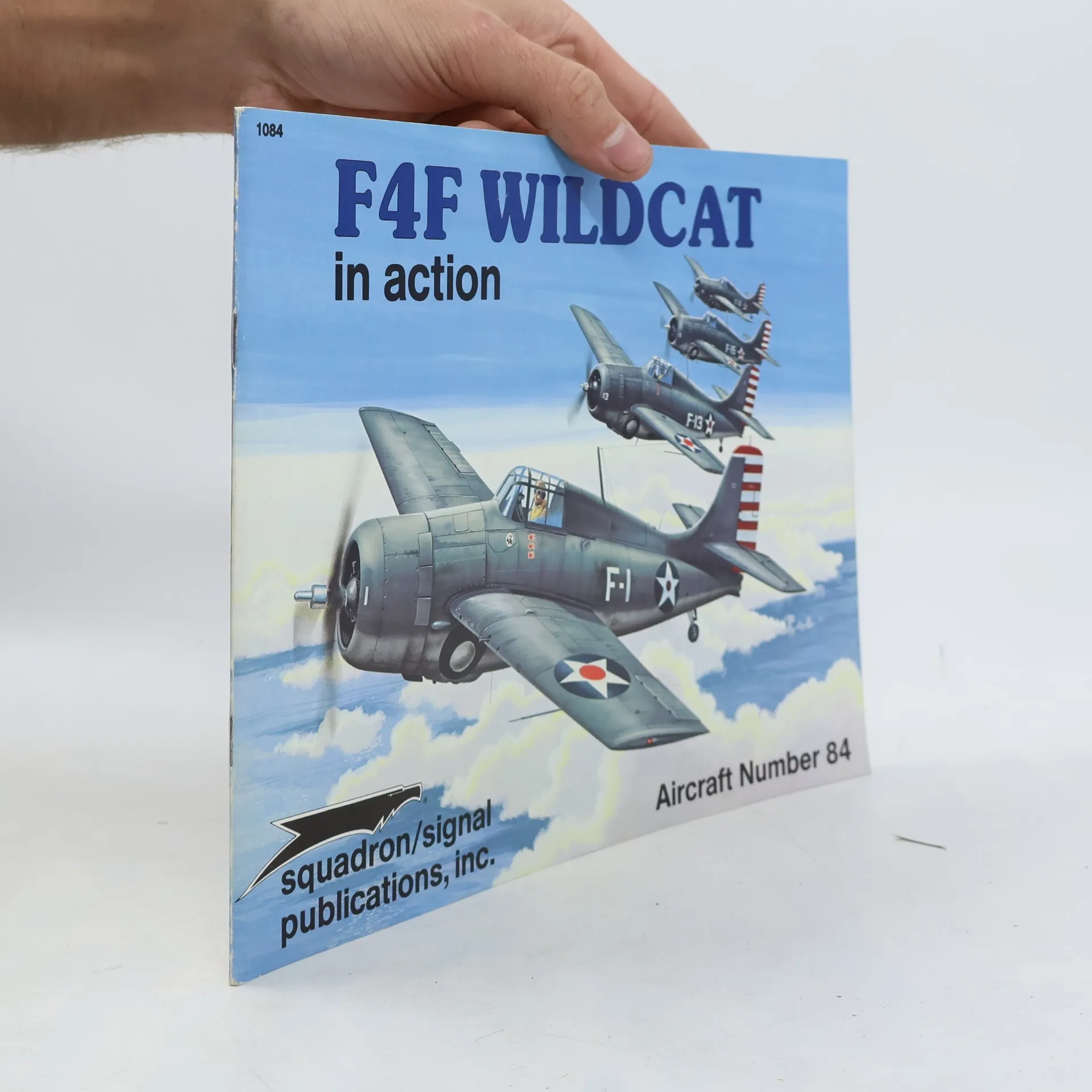
In 1935 the US Navy Bureau of Aeronautics issued a request for proposals to the US aviation industry for a new fighter design to replace the Grumman F3F. A number of designs were submitted and from these the Navy selected two for further development. In the Spring of 1936 the Navy awarded contracts for two prototype fighters, the Brewster XF2A-1 and the Grumman XF4F-1. Brewster's XF2A-1 prototype was a monoplane, while the Grumman design, the XF4F-1. was a biplane, similar to Grumman's earlier F3F-3 already in service. Grumman, realizing that its competitive edge could be lost if they continued with biplane designs while others were building monoplanes, sought the Navy's permission to change the XF4F-1 prototype from a biplane to a monoplane configuration. On 10 July 1936. the Navy agreed to the Grumman proposal. The XF4F-1 contract was cancelled and Grumman received authorization to build a prototype of the monoplane XF4F-2 in its place. The Grumman and Brewster prototypes would be flown in a competitive fly-off which would determine which design would receive a production contract.
Book purchase
F4F Wildcat in Action, Don Greer, Don Linn, Perry Manley
- Language

- Released
- 1988
- Binding
- (Saddle stitch)
Payment methods
We’re missing your review here.
- Title
- F4F Wildcat in Action
- Language
- English
- Authors
- Don Greer, Don Linn, Perry Manley
- Publisher
- Signal Publications
- Released
- 1988
- Format
- Saddle stitch
- ISBN10
- 0897472004
- ISBN13
- 9780897472005
- Series
- Tags
- Aviation
- Rating
- 3 out of 5
- Description
- In 1935 the US Navy Bureau of Aeronautics issued a request for proposals to the US aviation industry for a new fighter design to replace the Grumman F3F. A number of designs were submitted and from these the Navy selected two for further development. In the Spring of 1936 the Navy awarded contracts for two prototype fighters, the Brewster XF2A-1 and the Grumman XF4F-1. Brewster's XF2A-1 prototype was a monoplane, while the Grumman design, the XF4F-1. was a biplane, similar to Grumman's earlier F3F-3 already in service. Grumman, realizing that its competitive edge could be lost if they continued with biplane designs while others were building monoplanes, sought the Navy's permission to change the XF4F-1 prototype from a biplane to a monoplane configuration. On 10 July 1936. the Navy agreed to the Grumman proposal. The XF4F-1 contract was cancelled and Grumman received authorization to build a prototype of the monoplane XF4F-2 in its place. The Grumman and Brewster prototypes would be flown in a competitive fly-off which would determine which design would receive a production contract.