

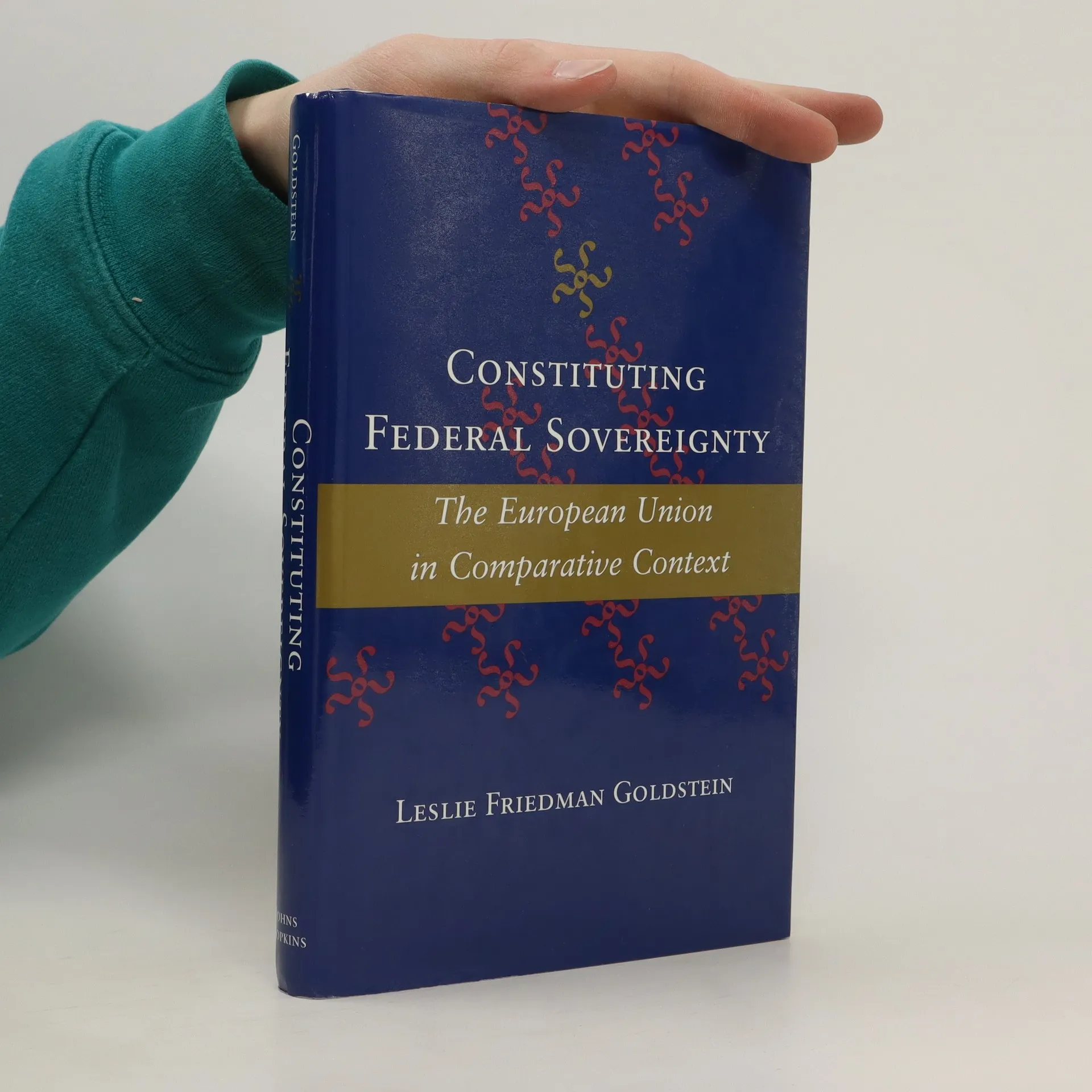



More about the book
"In Constituting Federal Sovereignty: The European Union in Comparative Context Goldstein identifies three significant predecessors to today's European Union: the Dutch Union of the 17th century, the United States of America from the 1787 Constitution to the Civil War, and the first half-century of the modern Swiss federation, beginning in 1848. She examines the processes by which federalization took place, what made for its success, and what contributed to its problems. She explains why resistance to federal authority, although similar in kind, varied significantly in degree in the cases examined. And she explores the crucial roles played by such factors as sovereignty-honoring elements within the institutional structure of the federation, the circumstances of its formation (revolt against distant empire versus aftermath of war among member states), and notably, the internal culture of respect for the rule of law in the member states."--BOOK JACKET.
Book purchase
Constituting Federal Sovereignty : The European Union in Comparative Context, Leslie Friedman Goldstein
- Language

- Released
- 2001
- Binding
- (Hardcover)
Payment methods
We’re missing your review here.
- Title
- Constituting Federal Sovereignty : The European Union in Comparative Context
- Language
- English
- Authors
- Leslie Friedman Goldstein
- Publisher
- Johns Hopkins University Press
- Released
- 2001
- Format
- Hardcover
- Pages
- 256
- ISBN10
- 0801866634
- ISBN13
- 9780801866630
- Series
- Tags
- Business, Legal Topics
- Rating
- 5 out of 5
- Description
- "In Constituting Federal Sovereignty: The European Union in Comparative Context Goldstein identifies three significant predecessors to today's European Union: the Dutch Union of the 17th century, the United States of America from the 1787 Constitution to the Civil War, and the first half-century of the modern Swiss federation, beginning in 1848. She examines the processes by which federalization took place, what made for its success, and what contributed to its problems. She explains why resistance to federal authority, although similar in kind, varied significantly in degree in the cases examined. And she explores the crucial roles played by such factors as sovereignty-honoring elements within the institutional structure of the federation, the circumstances of its formation (revolt against distant empire versus aftermath of war among member states), and notably, the internal culture of respect for the rule of law in the member states."--BOOK JACKET.