

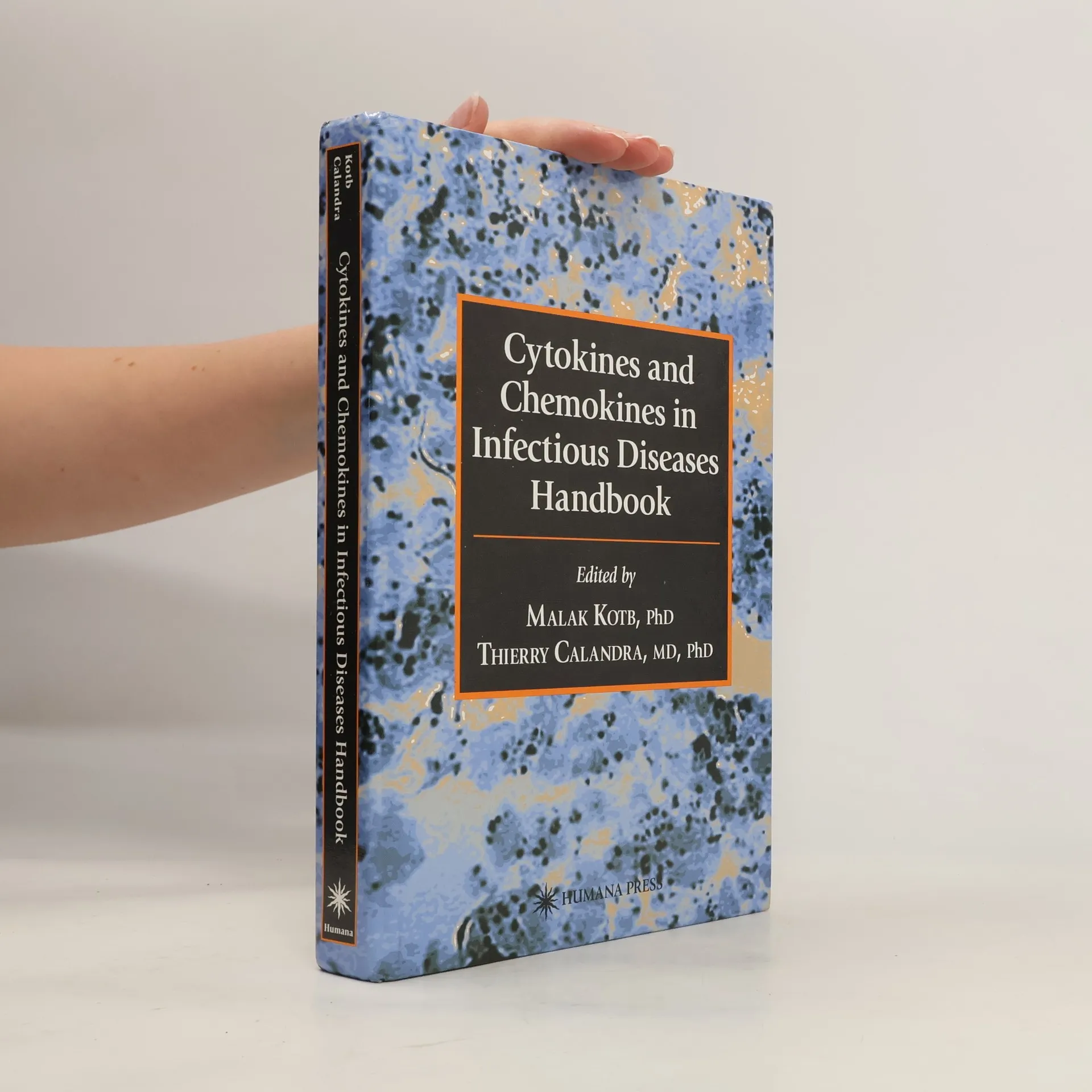


Cytokines and Chemokines in Infectious Diseases Handbook
Authors
More about the book
A comprehensive review of what is known about the role of cytokines and chemokines in a variety of human infectious diseases, including gram-negative and -positive infections, listeriosis, mycobacterial infections, lyme arthritis, pneumonia, fungal infections, HIV, leishmaniasis, and sepsis. The authors demonstrate the different cytokine and chemokine production profiles in response to a wide variety of pathogens and the importance of host genetic factors in determining the type and magnitude of responses to a given microorganism. They also critically evaluate the use of cytokines and anticytokines in the treatment of infectious diseases and show how knowledge of cytokine pleiotropic effects, redundancy, and the complexity of the cytokine network has led to better design and better outcomes in cytokine-based therapies for specific infections.
Book purchase
Cytokines and Chemokines in Infectious Diseases Handbook, Malak Kotb, Thierry Calandra
- Language

- Released
- 2003
- Binding
- (Hardcover)
Payment methods
No one has rated yet.
- Title
- Cytokines and Chemokines in Infectious Diseases Handbook
- Language
- English
- Authors
- Malak Kotb, Thierry Calandra
- Publisher
- Humana Press
- Released
- 2003
- Format
- Hardcover
- Pages
- 456
- ISBN10
- 0896039080
- ISBN13
- 9780896039087
- Series
- Collection
- Infectious disease
- Categories
- Description
- A comprehensive review of what is known about the role of cytokines and chemokines in a variety of human infectious diseases, including gram-negative and -positive infections, listeriosis, mycobacterial infections, lyme arthritis, pneumonia, fungal infections, HIV, leishmaniasis, and sepsis. The authors demonstrate the different cytokine and chemokine production profiles in response to a wide variety of pathogens and the importance of host genetic factors in determining the type and magnitude of responses to a given microorganism. They also critically evaluate the use of cytokines and anticytokines in the treatment of infectious diseases and show how knowledge of cytokine pleiotropic effects, redundancy, and the complexity of the cytokine network has led to better design and better outcomes in cytokine-based therapies for specific infections.