




More about the book
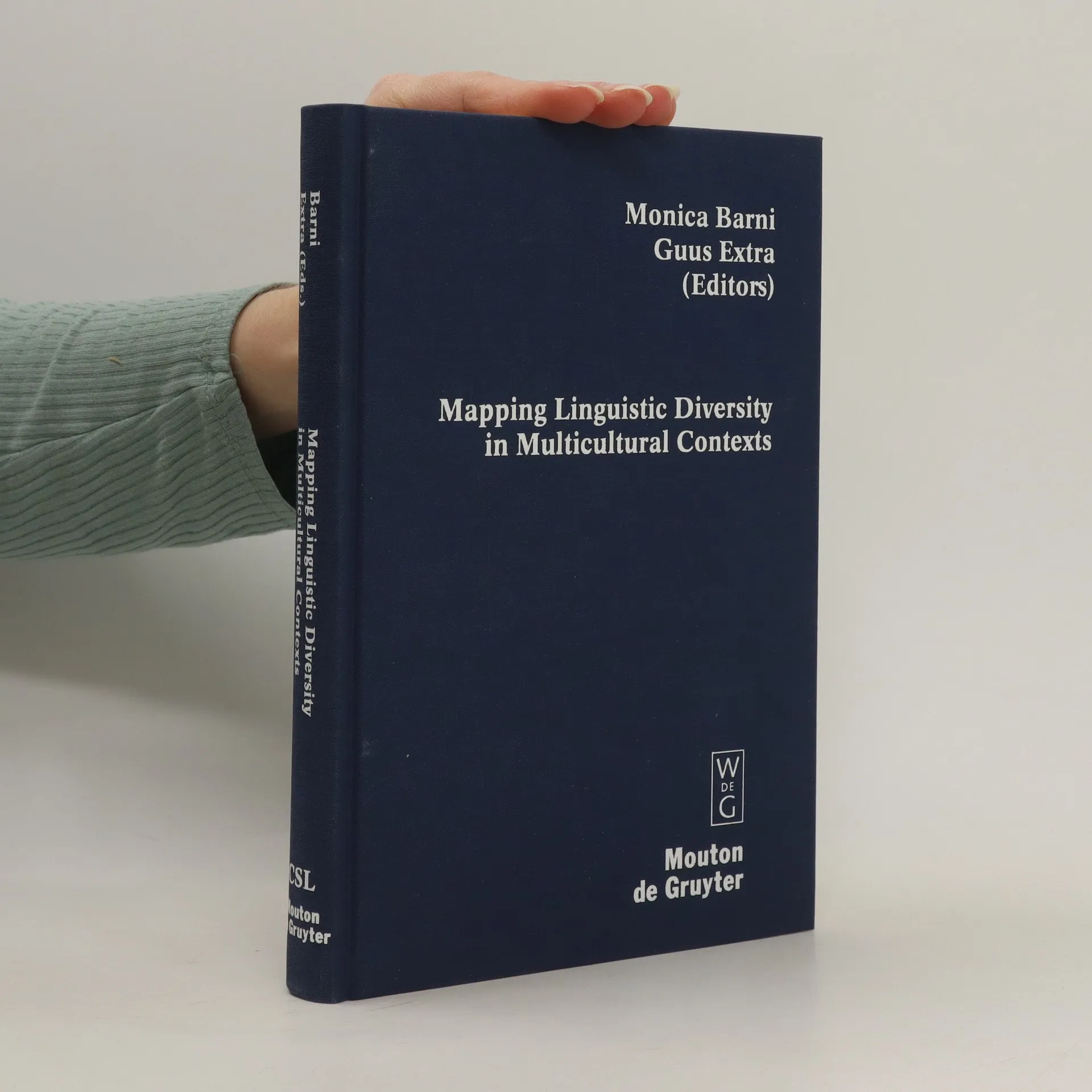
Within the European context, linguistic diversity can be studied at the level of both official state languages and non-national languages. This comprehensive overview offers insightful crossnational and crosscontinental perspectives on non-national languages in terms of both regional and immigrant languages. The book focuses on mapping linguistic diversity in both the private and public domain. Methodological issues and empirical outcomes are explored for a variety of European and non-European countries and languages. The book consists of four parts. Part 1 provides an introduction to the subject, as well as an overview and discussion of migration statistics and language use. Part 2 deals with the mapping of regional languages in Europe, exemplified by case studies on Welsh, Basque, and Frisian. Part 3 focuses on immigrant languages in Europe and includes case studies from both national (Switzerland, Italy, France) and crossnational (Multilingual Cities Project) perspectives. Part 4 turns to mapping linguistic diversity abroad with case studies on Australia, South Africa, Turkey, and Japan.
Book purchase
Mapping linguistic diversity in multicultural contexts, Monica Barni, Guus Extra, Inc ebrary
- Language

- Released
- 2008
- Binding
- (Hardcover)
Payment methods
We’re missing your review here.
- Title
- Mapping linguistic diversity in multicultural contexts
- Language
- English
- Authors
- Monica Barni, Guus Extra, Inc ebrary
- Publisher
- De Gruyter Mouton
- Released
- 2008
- Format
- Hardcover
- Pages
- 348
- ISBN10
- 3110195917
- ISBN13
- 9783110195910
- Series
- Categories
- Rating
- 4.5 out of 5
- Description
- Within the European context, linguistic diversity can be studied at the level of both official state languages and non-national languages. This comprehensive overview offers insightful crossnational and crosscontinental perspectives on non-national languages in terms of both regional and immigrant languages. The book focuses on mapping linguistic diversity in both the private and public domain. Methodological issues and empirical outcomes are explored for a variety of European and non-European countries and languages. The book consists of four parts. Part 1 provides an introduction to the subject, as well as an overview and discussion of migration statistics and language use. Part 2 deals with the mapping of regional languages in Europe, exemplified by case studies on Welsh, Basque, and Frisian. Part 3 focuses on immigrant languages in Europe and includes case studies from both national (Switzerland, Italy, France) and crossnational (Multilingual Cities Project) perspectives. Part 4 turns to mapping linguistic diversity abroad with case studies on Australia, South Africa, Turkey, and Japan.