

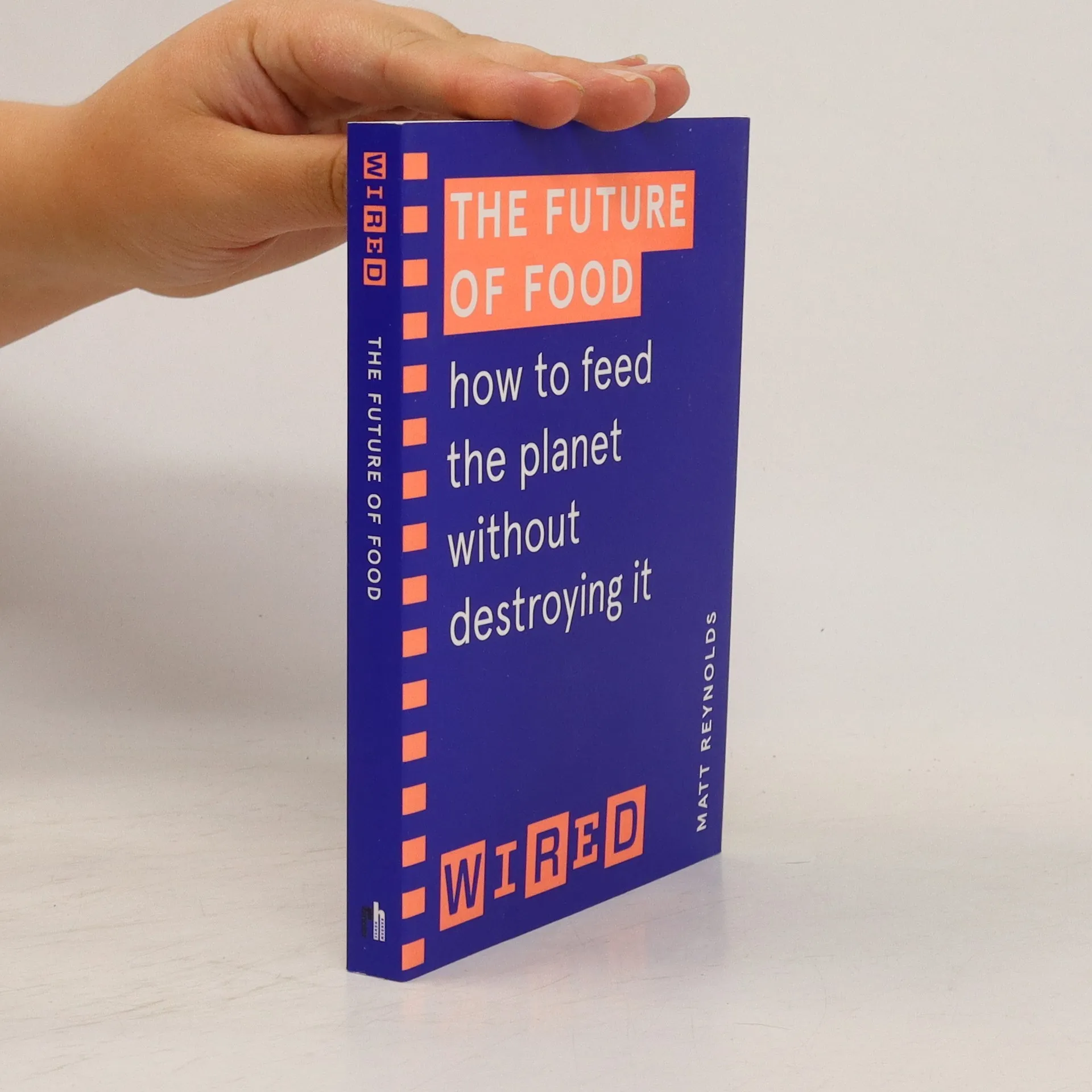
The future of food. How to feed the planet without destroying it
Authors
Book rating
More about the book
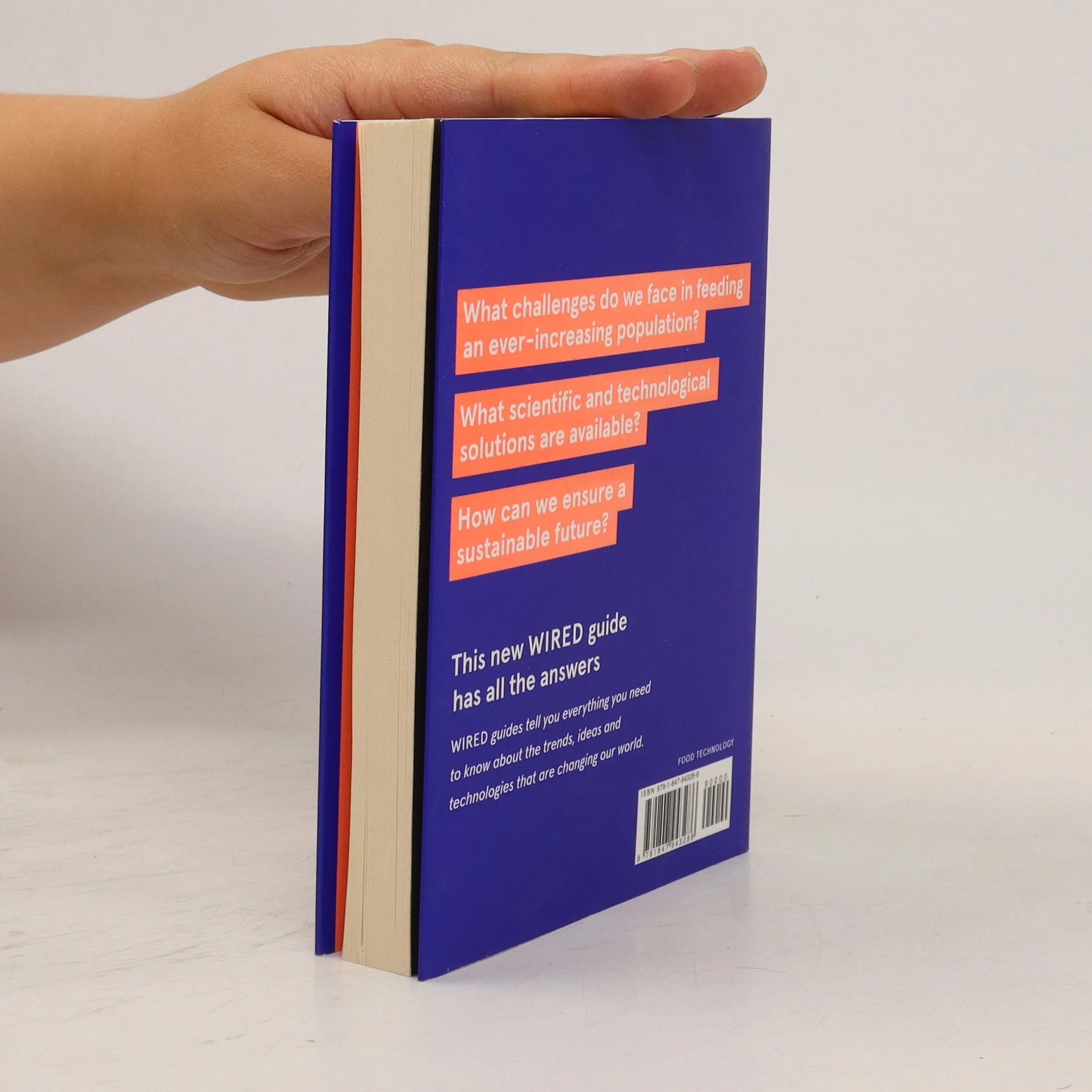
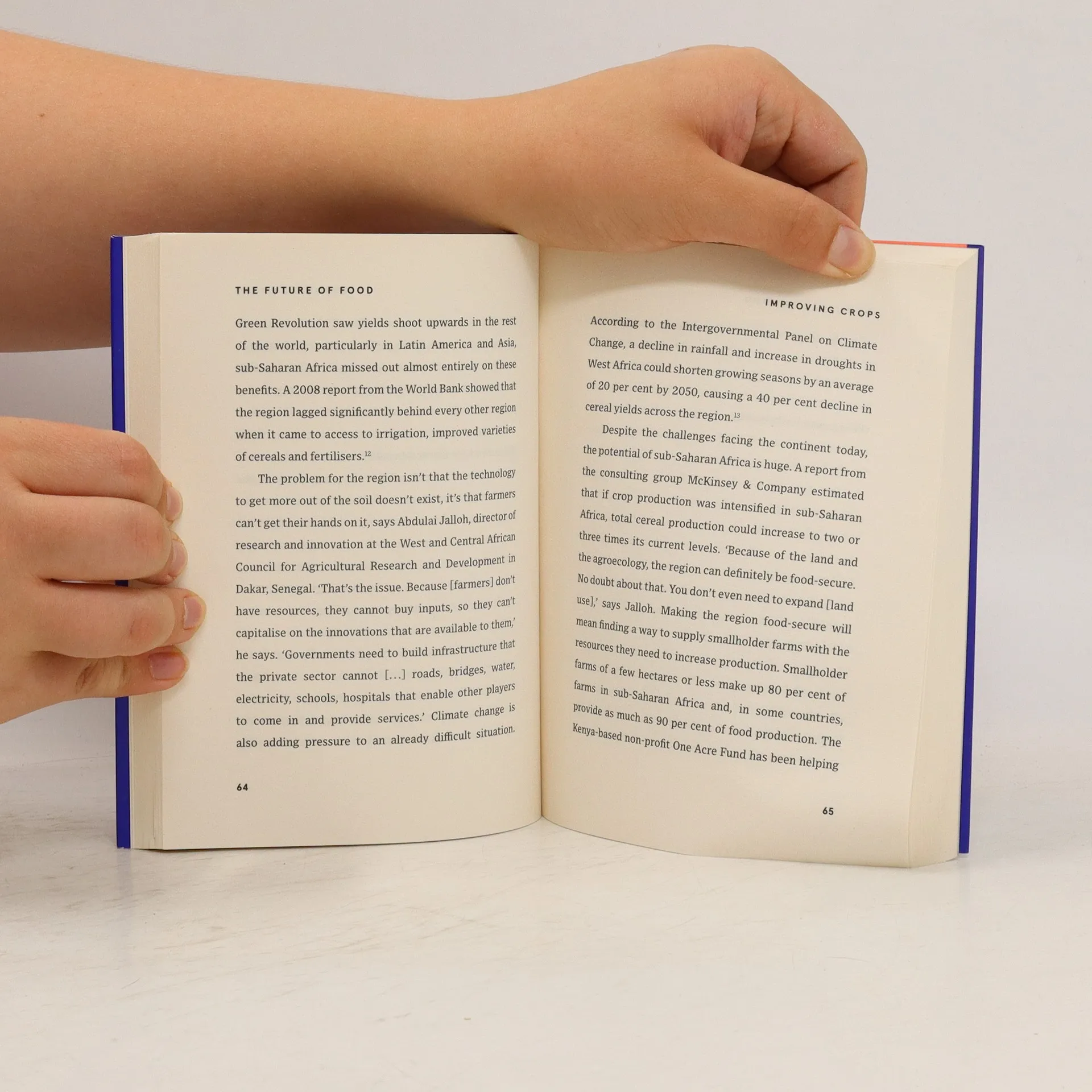
With a global population estimated to reach nearly 10 billion by 2050 we face a huge challenge in feeding everyone on the planet. How is that to be achieved?In this brilliantly insightful, one stop guide WIRED journalist Matt Reynolds assesses the limits and drawbacks of current food production and looks at the ways in which they can be tackled. He considers the potential for lab-grown meat to replace inefficient livestock farming. He talks to the scientists hoping to perfect more productive and disease-resistant crops. He explores initiatives to make agriculture less environmentally damaging and to reduce food waste. And he addresses the fundamental how do we feed more people while using fewer of the Earth's resources?
Book purchase
The future of food. How to feed the planet without destroying it, Matthew Reynolds
- Language

- Released
- 2021
- Binding
- (Paperback)
Payment methods
We’re missing your review here.
- Title
- The future of food. How to feed the planet without destroying it
- Language
- English
- Authors
- Matthew Reynolds
- Publisher
- Random House
- Released
- 2021
- Format
- Paperback
- Pages
- 192
- ISBN10
- 1847943284
- ISBN13
- 9781847943286
- Series
- Categories
- Tags
- Rating
- 3.7 out of 5
- Description
- With a global population estimated to reach nearly 10 billion by 2050 we face a huge challenge in feeding everyone on the planet. How is that to be achieved?In this brilliantly insightful, one stop guide WIRED journalist Matt Reynolds assesses the limits and drawbacks of current food production and looks at the ways in which they can be tackled. He considers the potential for lab-grown meat to replace inefficient livestock farming. He talks to the scientists hoping to perfect more productive and disease-resistant crops. He explores initiatives to make agriculture less environmentally damaging and to reduce food waste. And he addresses the fundamental how do we feed more people while using fewer of the Earth's resources?