

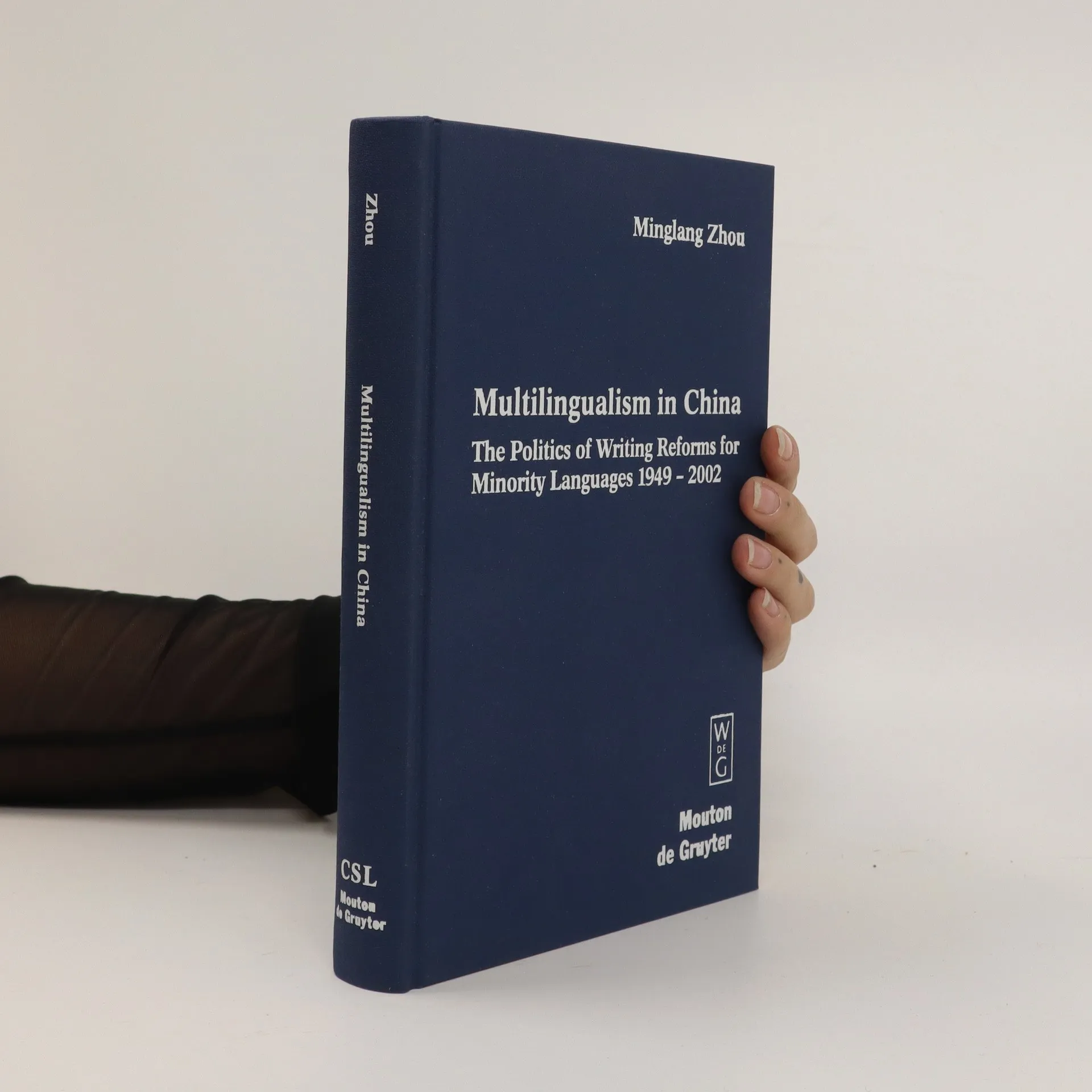

Multilingualism in China. The Politisc of Writing Reforms for Minority Languages 1949 - 2002
Authors
More about the book
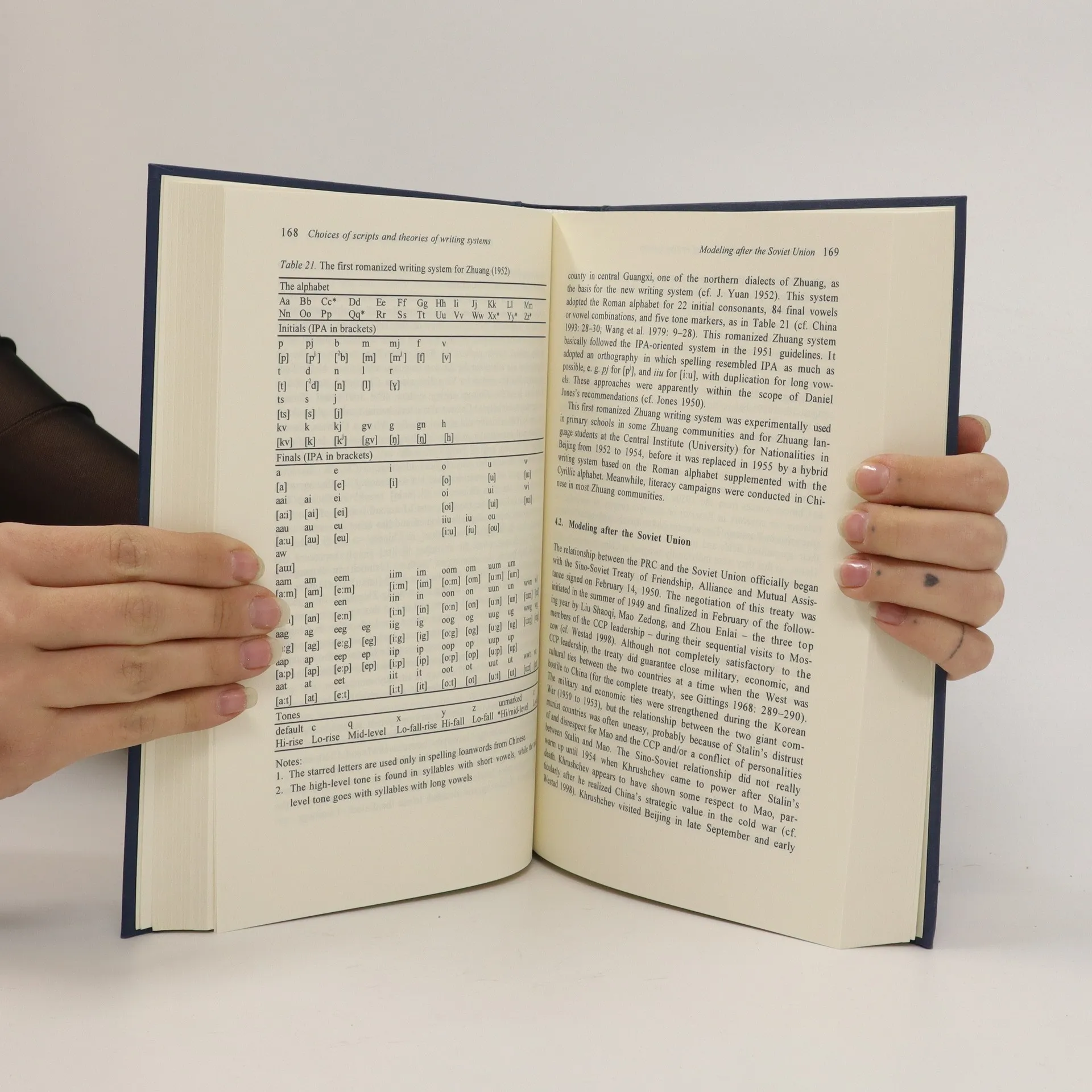
Minglang Zhou's highly erudite and well-researched volume on the policies concerning writing reforms for China's minorities since 1949 provides an original and well-reasoned summary of a complex process. It documents how different script reforms meet dramatically different fates according to local preferences, history, cross-border ties, and the vitality of previously-used scripts. It convincingly shows that no single variable is decisive in the success of a script, and that language planners' fixation with technical details is doomed to failure, without careful coordination of extra-code factors. It also documents the little-known Sino-Soviet cooperation in the area of writing reforms. In a style accessible to both undergraduate and graduate students, Zhou's book is of interest to language planners, sinologists, applied linguists, writing theorists, and ethnologists.
Book purchase
Multilingualism in China. The Politisc of Writing Reforms for Minority Languages 1949 - 2002, Minglang Zhou
- Language

- Released
- 2003
- Binding
- (Hardcover)
Payment methods
No one has rated yet.
- Title
- Multilingualism in China. The Politisc of Writing Reforms for Minority Languages 1949 - 2002
- Language
- English
- Authors
- Minglang Zhou
- Publisher
- De Gruyter Mouton
- Released
- 2003
- Format
- Hardcover
- Pages
- 458
- ISBN10
- 3110178966
- ISBN13
- 9783110178968
- Series
- Categories
- Description
- Minglang Zhou's highly erudite and well-researched volume on the policies concerning writing reforms for China's minorities since 1949 provides an original and well-reasoned summary of a complex process. It documents how different script reforms meet dramatically different fates according to local preferences, history, cross-border ties, and the vitality of previously-used scripts. It convincingly shows that no single variable is decisive in the success of a script, and that language planners' fixation with technical details is doomed to failure, without careful coordination of extra-code factors. It also documents the little-known Sino-Soviet cooperation in the area of writing reforms. In a style accessible to both undergraduate and graduate students, Zhou's book is of interest to language planners, sinologists, applied linguists, writing theorists, and ethnologists.