


More about the book
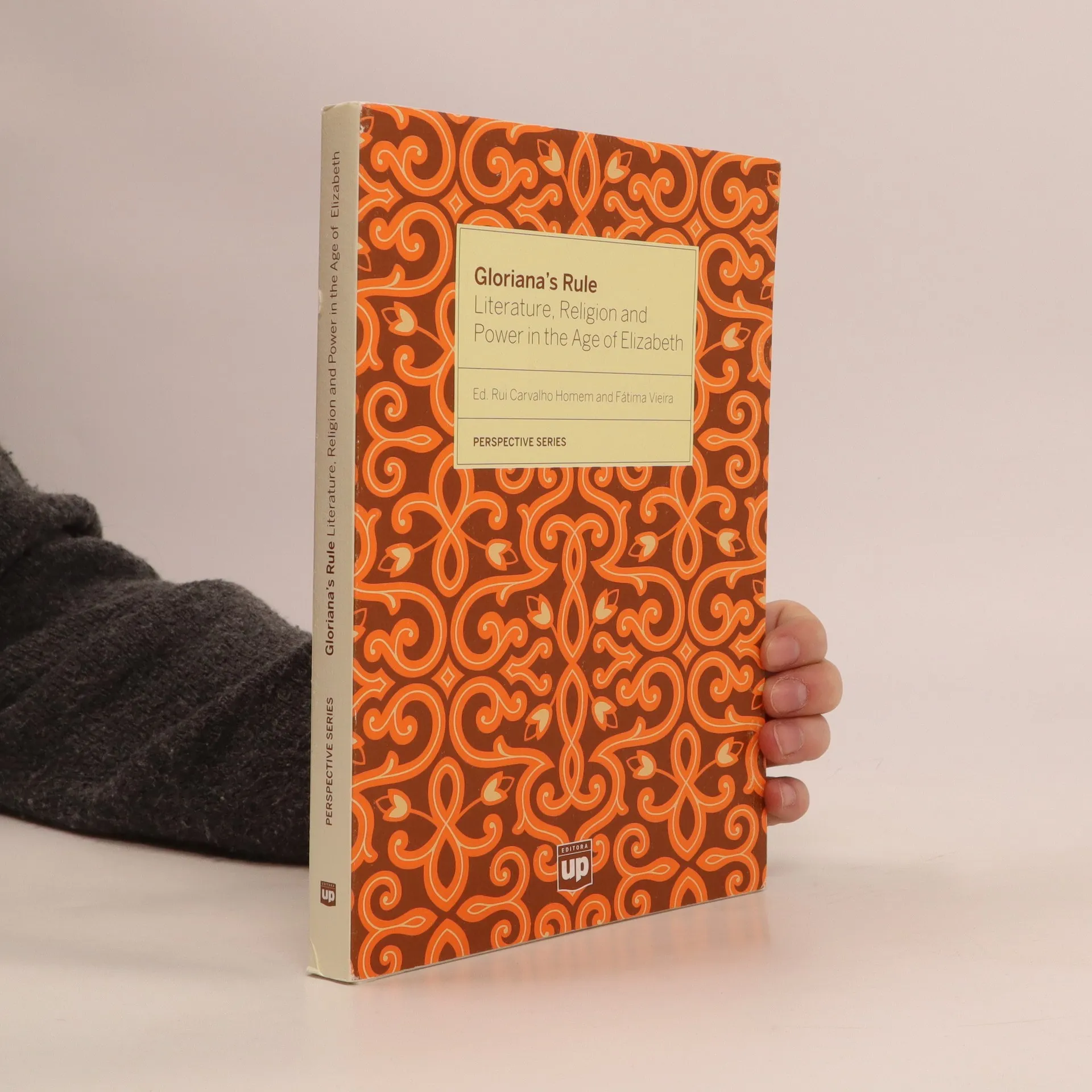
Gloriana's Rule derives its title and contents from a specific event, an international conference organised by the Institute of English Studies (Universidade do Porto) in June 2003 to mark the four-hundredth anniversary of the death of Elizabeth I. But this inception does not entail that the volume's rational and goals can be described as celebratory. Rather than embodying a panegyric, the present collection aims to contribute the ongoing interrogation of the myth of Gloriana, considered in its central representations as much as in some of the more peripheral forms ( in politics, language, and social practices) that have helped define the enduring cultural perception of an "Elizabethan golden age".
Book purchase
Gloriana's rule : literature, religion and power in the age of Elizabeth, Rui Manuel G. de Carvalho Homem, Fátima Vieira
- Language

- Released
- 2006
- Binding
- (Paperback)
Payment methods
No one has rated yet.
- Title
- Gloriana's rule : literature, religion and power in the age of Elizabeth
- Language
- English
- Publisher
- Editora da Universidade do Porto
- Released
- 2006
- Format
- Paperback
- Pages
- 220
- ISBN10
- 9728025491
- ISBN13
- 9789728025496
- Series
- Categories
- Description
- Gloriana's Rule derives its title and contents from a specific event, an international conference organised by the Institute of English Studies (Universidade do Porto) in June 2003 to mark the four-hundredth anniversary of the death of Elizabeth I. But this inception does not entail that the volume's rational and goals can be described as celebratory. Rather than embodying a panegyric, the present collection aims to contribute the ongoing interrogation of the myth of Gloriana, considered in its central representations as much as in some of the more peripheral forms ( in politics, language, and social practices) that have helped define the enduring cultural perception of an "Elizabethan golden age".