

Van der Weyden
Authors
More about the book
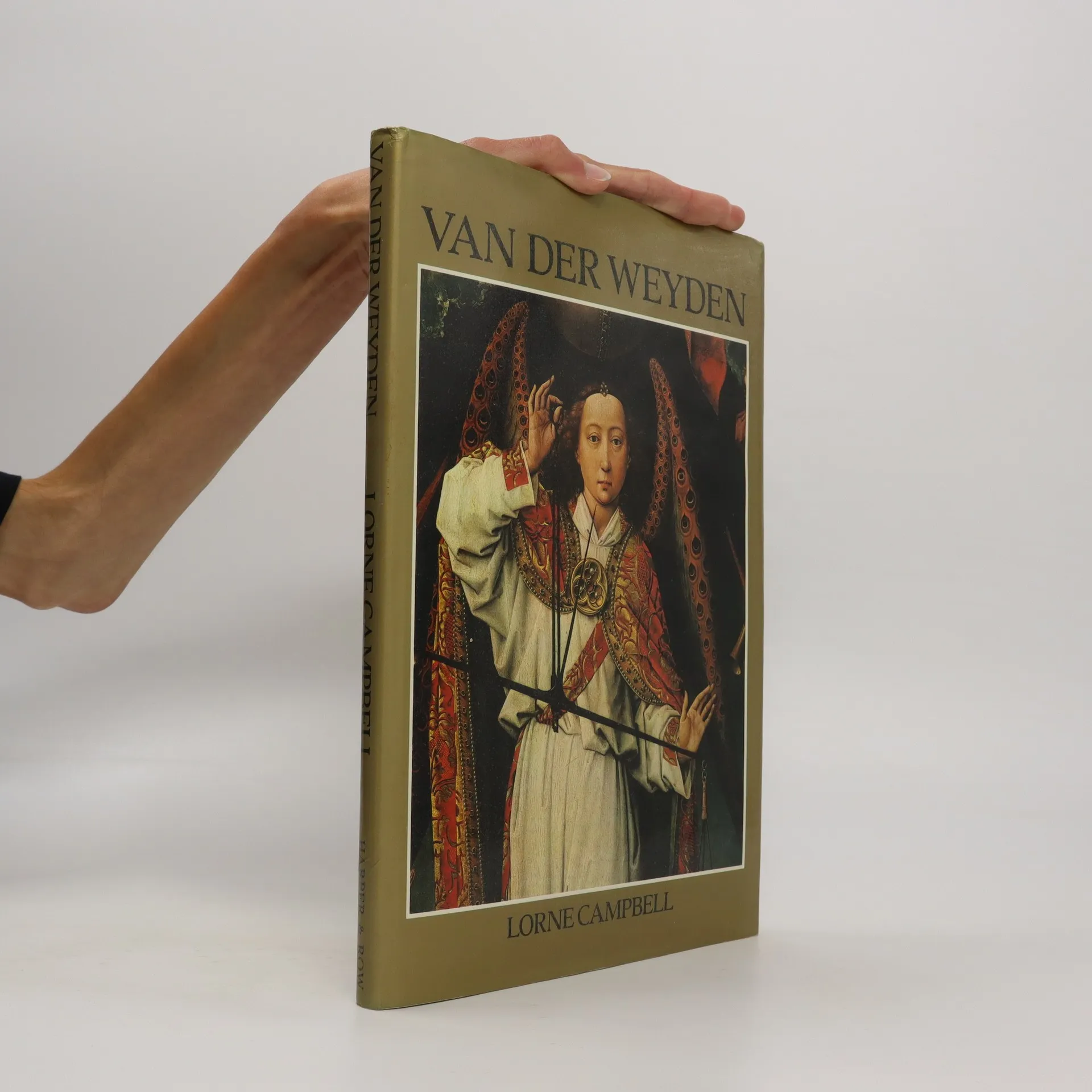
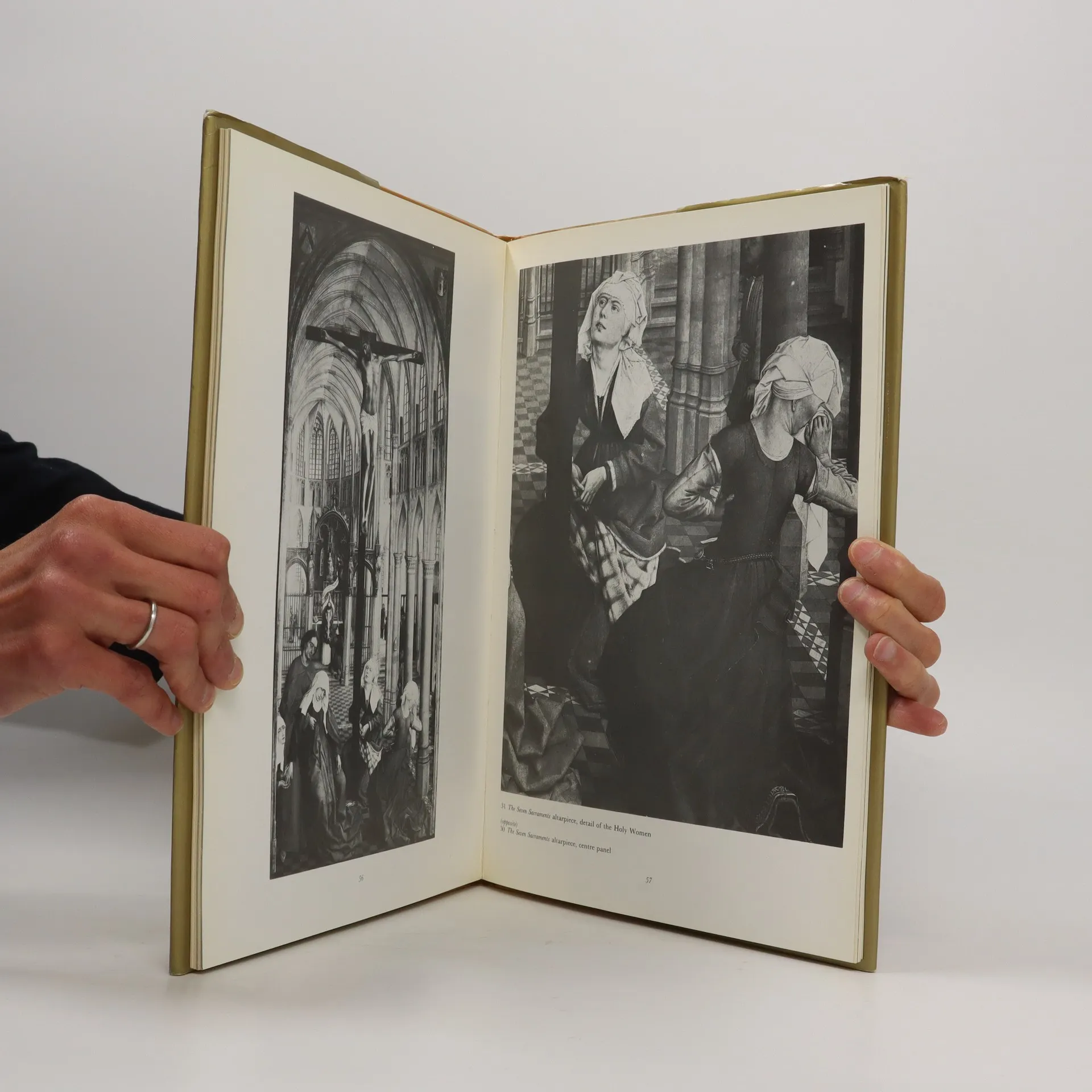
Rogier Van der Weyden emerged from scholarly and critical neglect only with the revival of interest in the so-called ‘Flemish Primitives’ during the second half of the nineteenth century. The immensely forceful, frequently disturbing images which Van der Weyden produced owed as much to his supreme control of paint as they did to his observation of detail, which was never permitted to dominate the general rhythm and pattern of the picture itself. These qualities fused to create a style with a direct impact but one which was the result of only the most subtle and painstaking calculations of color and balance.Dr Campbell explores Van der Weyden’s position both as official painter to the city of Brussels and within the international system of princely patronage which was evolving during his lifetime.
Book purchase
Van der Weyden, Lorne Campbell
- Language

- Released
- 1980
- Binding
- (Hardcover)
Payment methods
No one has rated yet.
- Title
- Van der Weyden
- Language
- English
- Authors
- Lorne Campbell
- Released
- 1980
- Format
- Hardcover
- Pages
- 95
- ISBN10
- 006430650x
- ISBN13
- 9780064306508
- Series
- Tags
- Fine Art
- Description
- Rogier Van der Weyden emerged from scholarly and critical neglect only with the revival of interest in the so-called ‘Flemish Primitives’ during the second half of the nineteenth century. The immensely forceful, frequently disturbing images which Van der Weyden produced owed as much to his supreme control of paint as they did to his observation of detail, which was never permitted to dominate the general rhythm and pattern of the picture itself. These qualities fused to create a style with a direct impact but one which was the result of only the most subtle and painstaking calculations of color and balance.Dr Campbell explores Van der Weyden’s position both as official painter to the city of Brussels and within the international system of princely patronage which was evolving during his lifetime.