


Beyond Neurotransmission
Authors
- Various authors
More about the book
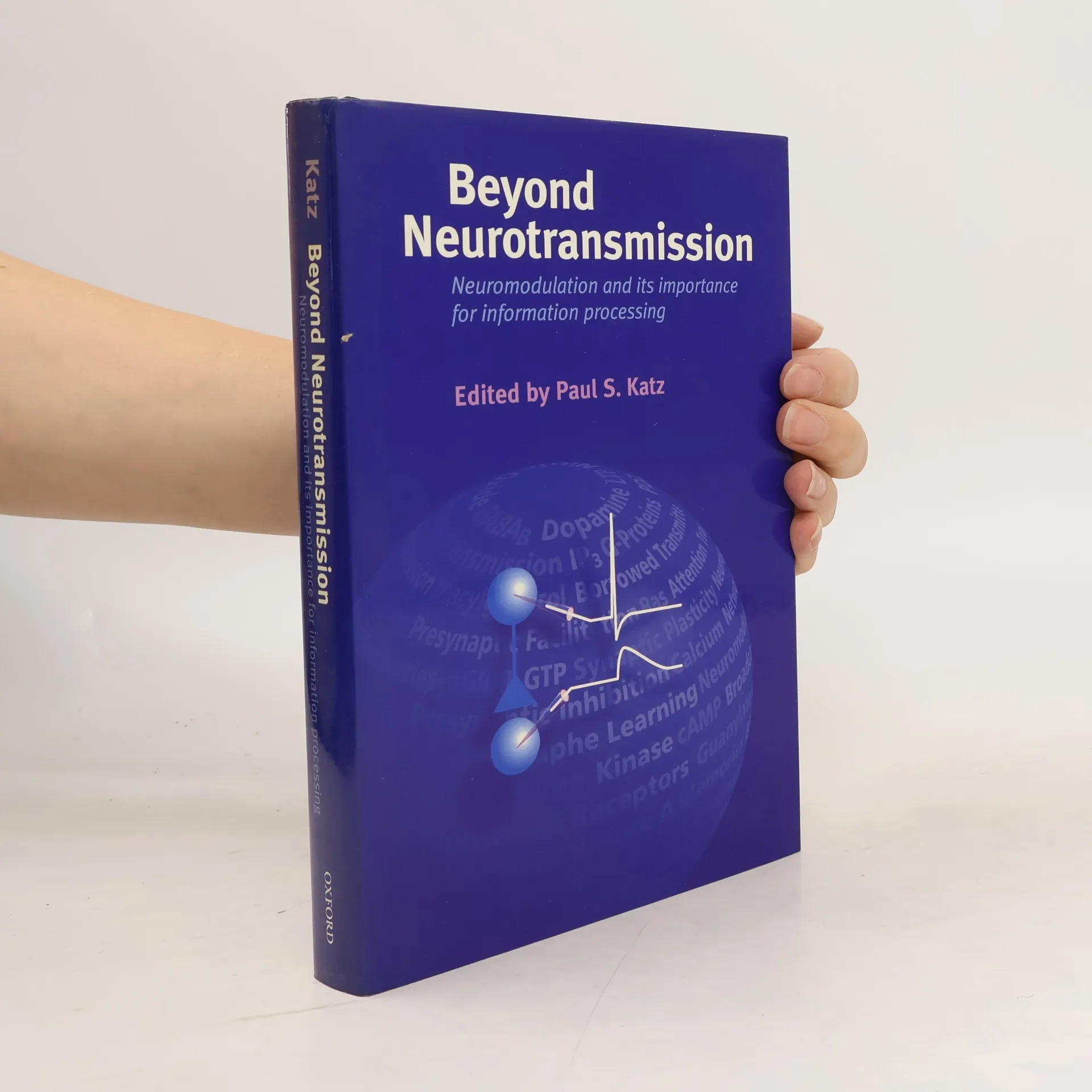
There are many modes of communication that neurons use to transmit information besides what has come to be called neurotransmission. Many of these other types of communication can be classified as neuromodulatory, where instead of conveying excitation or inhibition, the signal from one neuron changes the properties of other neurons or synapses. This form of neuronal communication is often overlooked by systems physiologists, but it is extremely prevalent in the nervous system and needs to be included in any description of how the nervous system processes information. This book provides the foundations for understanding the cellular and molecular basis for neuromodulatory effects. It illustrates some key examples of the roles played by neuromodulation in sensory processing, neuromuscular transmission, generation of motor behaviours, and learning. Finally, the book seeks to point out areas that are likely to be of importance in the future study of information processing by the nervous sy
Book purchase
Beyond Neurotransmission, Various authors
- Language

- Released
- 1999
- Binding
- (Hardcover)
Payment methods
No one has rated yet.
- Title
- Beyond Neurotransmission
- Language
- English
- Authors
- Various authors
- Publisher
- Oxford University Press
- Released
- 1999
- Format
- Hardcover
- Pages
- 406
- ISBN10
- 0198524242
- ISBN13
- 9780198524243
- Series
- Categories
- Description
- There are many modes of communication that neurons use to transmit information besides what has come to be called neurotransmission. Many of these other types of communication can be classified as neuromodulatory, where instead of conveying excitation or inhibition, the signal from one neuron changes the properties of other neurons or synapses. This form of neuronal communication is often overlooked by systems physiologists, but it is extremely prevalent in the nervous system and needs to be included in any description of how the nervous system processes information. This book provides the foundations for understanding the cellular and molecular basis for neuromodulatory effects. It illustrates some key examples of the roles played by neuromodulation in sensory processing, neuromuscular transmission, generation of motor behaviours, and learning. Finally, the book seeks to point out areas that are likely to be of importance in the future study of information processing by the nervous sy