

More about the book
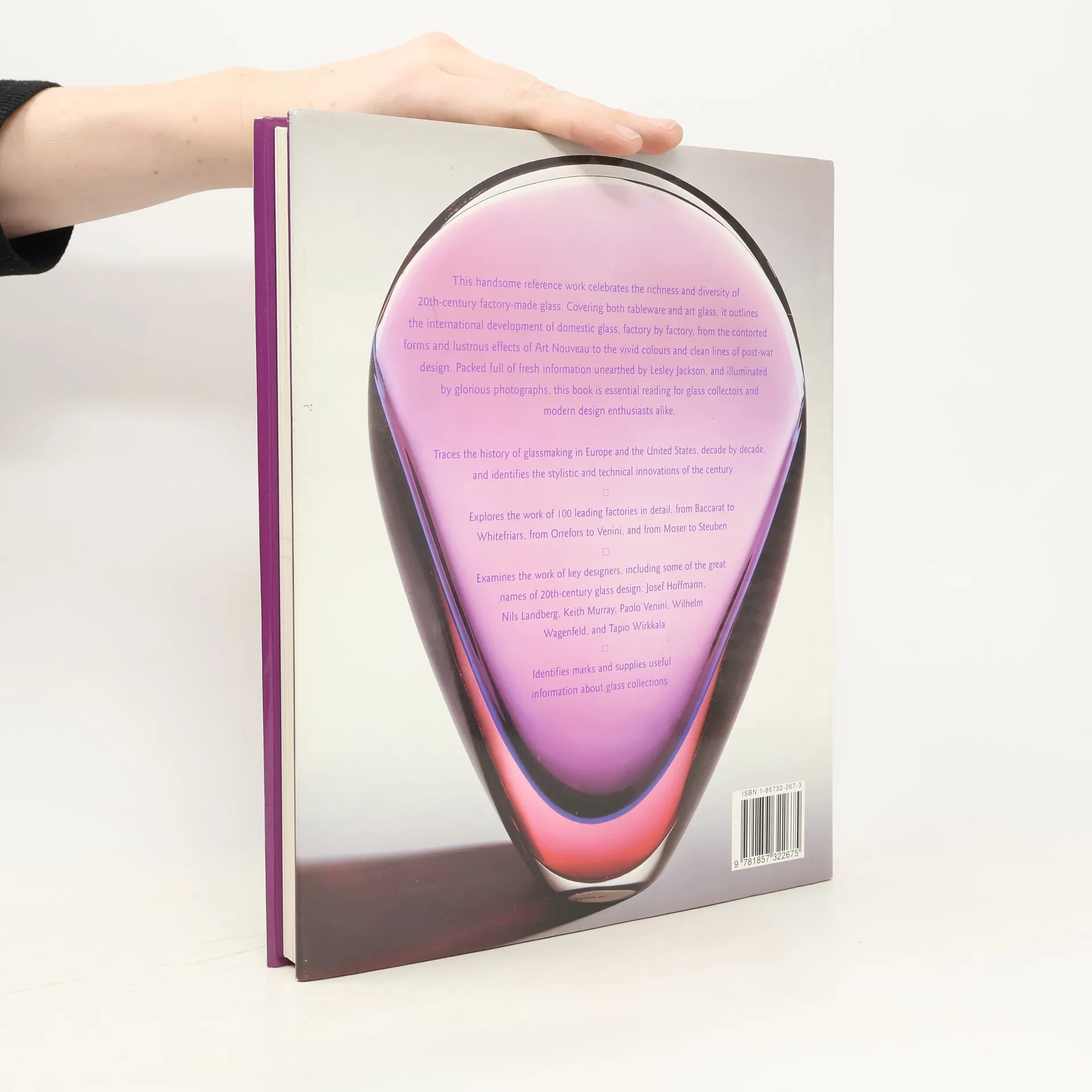
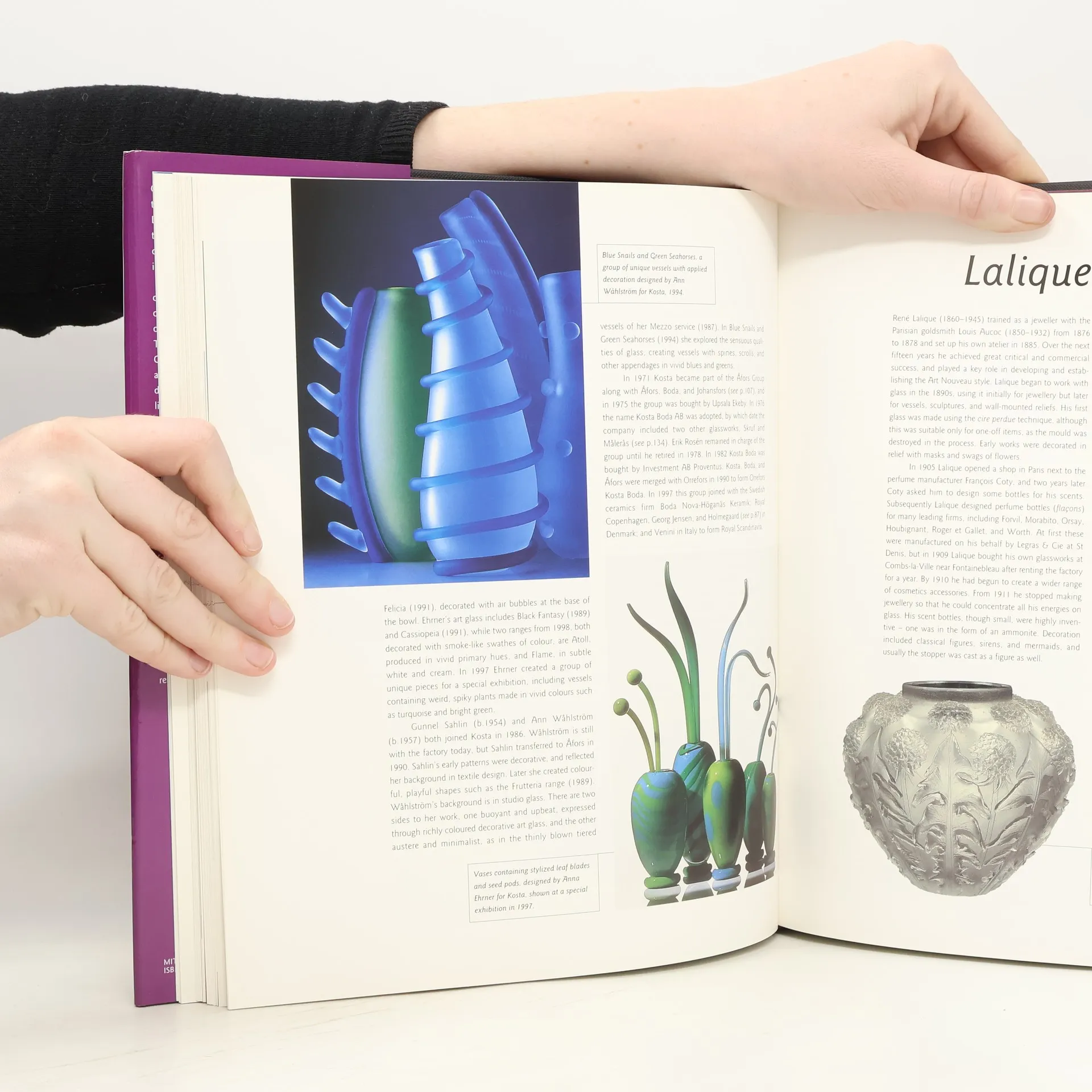
This reference book is a survey of domestic factory-produced glass through the 20th century - from the organic shapes and iridescent colours of the Art Nouveau period to the simple clean lines of contemporary design. The book looks at over 100 glass factories in detail, with the entries in alphabetical order for ease of reference. For each factory, Lesley Jackson gives a brief history and an outline of its work during the century. She summarizes the styles and techniques for which each factory is best known and profiles key designers, including some of the great names of 20th-century design, such as Louis Comfort Tiffany and Paolo Venini. At the end of the book are individual bibliographies and listings of which museums hold collections of the glass -which ranges from the extremely valuable to items found in homes world-wide. There are also examples of each factory's marks so that collectors can identify and date items.
Book purchase
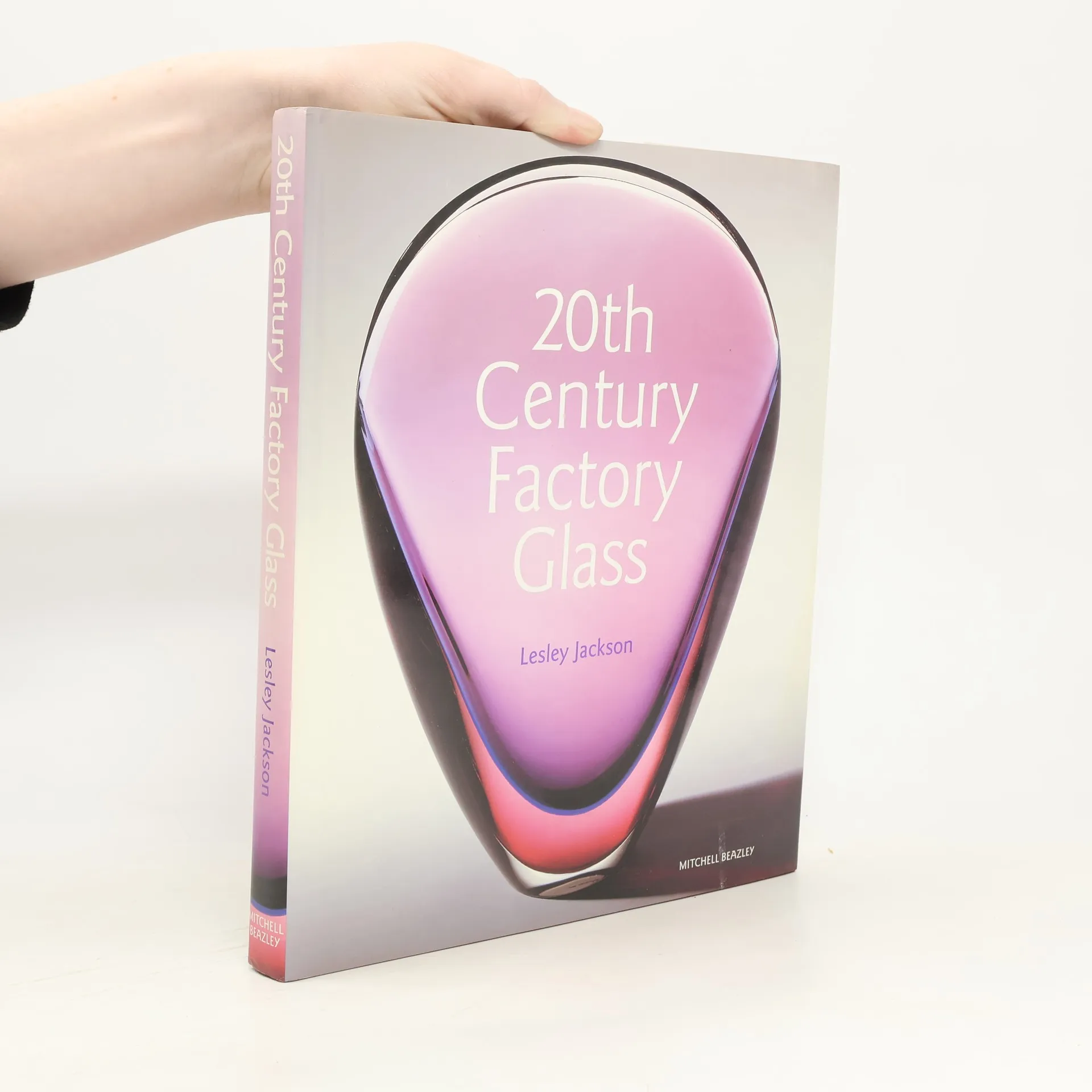
20th Century Factory Glass, Lesley Jackson
- Language

- Released
- 2000
- Binding
- (Hardcover)
Payment methods
No one has rated yet.
- Title
- 20th Century Factory Glass
- Language
- English
- Authors
- Lesley Jackson
- Publisher
- Mitchell Beazley
- Released
- 2000
- Format
- Hardcover
- Pages
- 256
- ISBN10
- 1857322673
- ISBN13
- 9781857322675
- Series
- Tags
- Fine Art
- Description
- This reference book is a survey of domestic factory-produced glass through the 20th century - from the organic shapes and iridescent colours of the Art Nouveau period to the simple clean lines of contemporary design. The book looks at over 100 glass factories in detail, with the entries in alphabetical order for ease of reference. For each factory, Lesley Jackson gives a brief history and an outline of its work during the century. She summarizes the styles and techniques for which each factory is best known and profiles key designers, including some of the great names of 20th-century design, such as Louis Comfort Tiffany and Paolo Venini. At the end of the book are individual bibliographies and listings of which museums hold collections of the glass -which ranges from the extremely valuable to items found in homes world-wide. There are also examples of each factory's marks so that collectors can identify and date items.